

Ask ten builders what breaks on site and nine of them will say the watch first. Not the phone in the pocket, not the radio clipped to the vest. The watch, because it is the only thing strapped to your wrist all day that you cannot check before you swing a sledgehammer or set a slab of formwork down on it.
We have been running this list through the same four enemies for years now: impact, abrasive concrete and silica dust, sustained power-tool vibration, and water. Not swimming water. Hose-down water, rain in the middle of a pour, concrete washout water that is thicker than milk and full of grit. A watch that survives those four survives a construction site. Everything else in the spec sheet is preference.
That is the filter we used to build the best watches for construction workers in 2026. Ten models, from resin quartz that shrugs off a drop from a scaffold to a solar steel Promaster that turns up to a client meeting. For each one we looked at the case material, how the buttons and crown are sealed, what the crystal is made of, and whether the movement cares when a breaker gun is running three feet away.
Our own rule on site is simple: rinse the watch before you wipe it. Dusty glove on a dusty crystal is a grinding wheel. Water first, then a clean cloth. It costs ten seconds and it is the single biggest reason cheap watches look terrible after a season.
Table of Contents
Key Features to Look For in a Site Watch
Shock-isolated case. Resin or reinforced polycarbonate flexes and absorbs a hit. Steel transfers the same hit straight into the crystal and the movement. ISO 1413 is the standard to look for, which drops a 3 kg mass from 30 cm onto the watch.
Sealed against dust and mud. Gasketed buttons, a screw-down crown or no crown at all, and tight case joints. IP68 covers dust and immersion. IP69K covers high-pressure, high-temperature water jets, which is closer to what a pressure washer actually does.
Battery you never think about. Two years on a coin cell or solar charging beats weekly charging. A dead watch mid-shift means you are guessing at pour times.
A crystal that outlasts dust. Concrete and silica dust scores 7 to 8 on the Mohs scale. Sapphire is 9. Mineral glass is 5 to 6 and will haze. Acrylic is softer still.
Read the ratings as tests passed, not as invulnerability. MIL-STD-810H means a watch passed a set of laboratory procedures. It does not mean indestructible, and it certainly does not mean a watch is safety equipment. No watch replaces a hard hat, gloves or eye protection, and electricians should still check their site rules on anything conductive worn on the wrist.
Top 3 Picks for Construction Work (October 2026)
The consensus answer for a reason, the small-case answer for glove cuffs, and the analog-plus-digital answer for people who want hands they can read at arm’s length.

Casio DW9052 G-Shock
- Shock-resistant resin case
- 200m water resistance
- Two-year CR2016 battery


Casio G-Shock GA100-1A1
- Analog hands plus digital module
- Shock and magnetic resistant
- 200m water resistance
All 10 Picks Side by Side in 2026
This is the head-to-head view. Water resistance, movement type and the site feature that actually earns each watch its place. Every row is a real spec, not a marketing line.
| Product | Specs | Action |
|---|---|---|
| Casio DW9052 G-Shock |
|
Check Latest Price |
| Timex Ironman Classic 30 |
|
Check Latest Price |
| Casio G-Shock GA100-1A1 |
|
Check Latest Price |
 Timex Ironman Endure 30 Shock Timex Ironman Endure 30 Shock |
|
Check Latest Price |
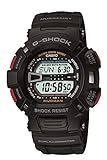 Casio G-Shock Mudman G9000-1V Casio G-Shock Mudman G9000-1V |
|
Check Latest Price |
 Garmin Instinct 2X Solar Garmin Instinct 2X Solar |
|
Check Latest Price |
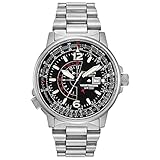 Citizen Promaster Nighthawk BJ7000-52E Citizen Promaster Nighthawk BJ7000-52E |
|
Check Latest Price |
 KOSPET Tank T3 Ultra KOSPET Tank T3 Ultra |
|
Check Latest Price |
 Carbinox Blaze Carbinox Blaze |
|
Check Latest Price |
 Citizen Eco-Drive Weekender Avion Citizen Eco-Drive Weekender Avion |
|
Check Latest Price |
A note on the smartwatch cluster at the bottom of that table. All three carry IP69K or military-standard language, and all three are real hardware. None of them is a safety device, and each has a software or longevity caveat we spell out below rather than bury.
1. Casio DW9052 Series – The Resin Quartz Answer That Keeps Working
Casio Men’s G-Shock DW9052-1V Shock Resistant Black Resin Sport Watch
Shock-resistant resin case and bezel
200m water resistance
CR2016 battery up to 2 years
5.61 ounces
Pros
- Shock-resistant resin build rated to survive drops and vibration
- 200m water resistance for wet and dusty conditions
- Battery life of up to two years
- Large high-contrast digits with an electro-luminescent backlight
- 1/100-second stopwatch and 24-hour countdown
Cons
- Basic digital module with no analog hands or memory
- Fixed resin strap cannot be swapped for a heavier-duty band
- No Bluetooth or smart features
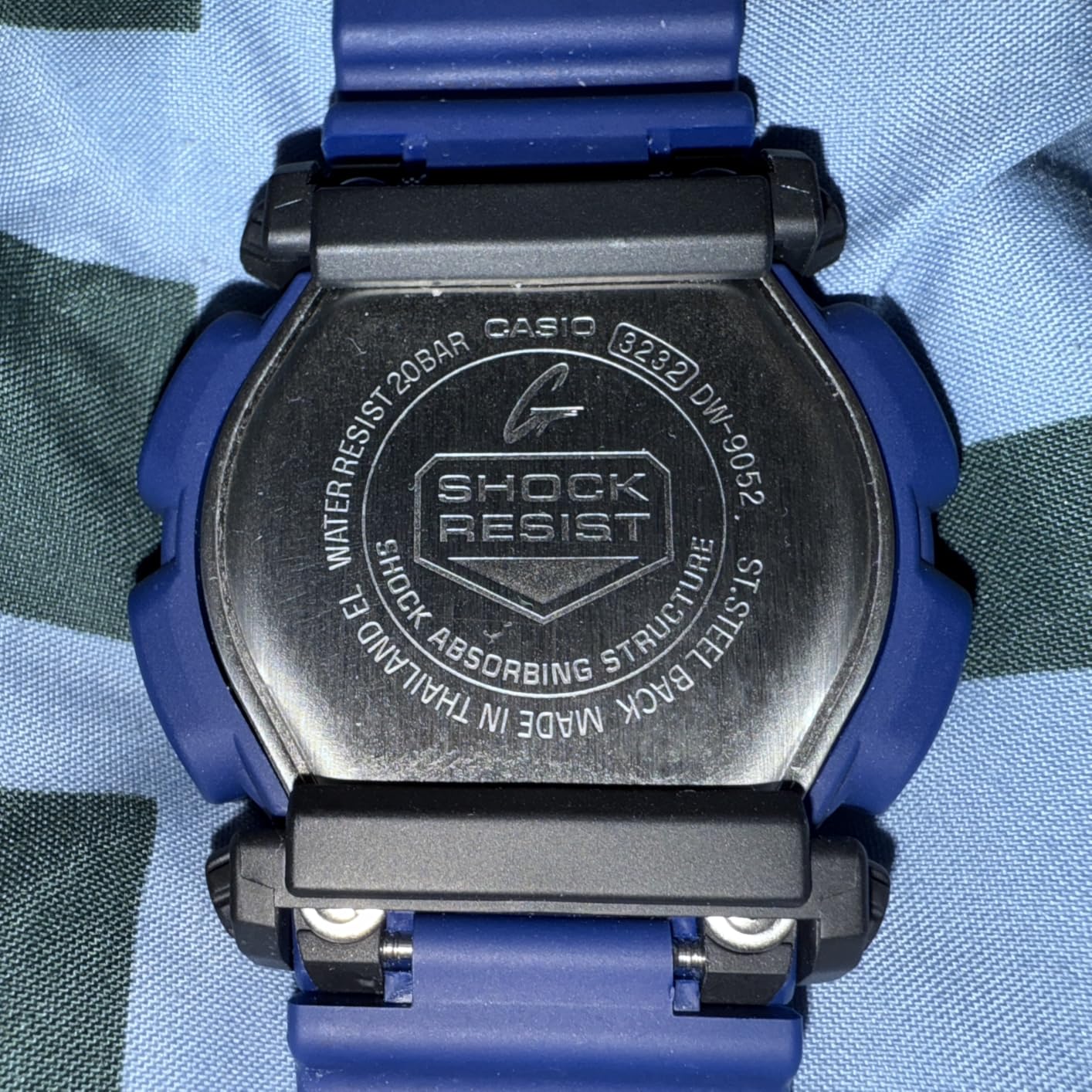
This is the watch we hand to an apprentice in their first week. The DW9052 has been on the market since the early 2000s and it has changed almost nothing since, which is exactly why it works. The case and bezel are shock-resistant resin, the water resistance is rated at 200 metres, and the movement runs on a CR2016 cell for up to two years.
On site, resin is the right material for a reason. It flexes slightly on impact and springs back, so a drop from a scaffold deck tends to dent nothing and transmit nothing into the module. A steel watch of the same weight passes that same drop straight through the case into the crystal and the crown stem.
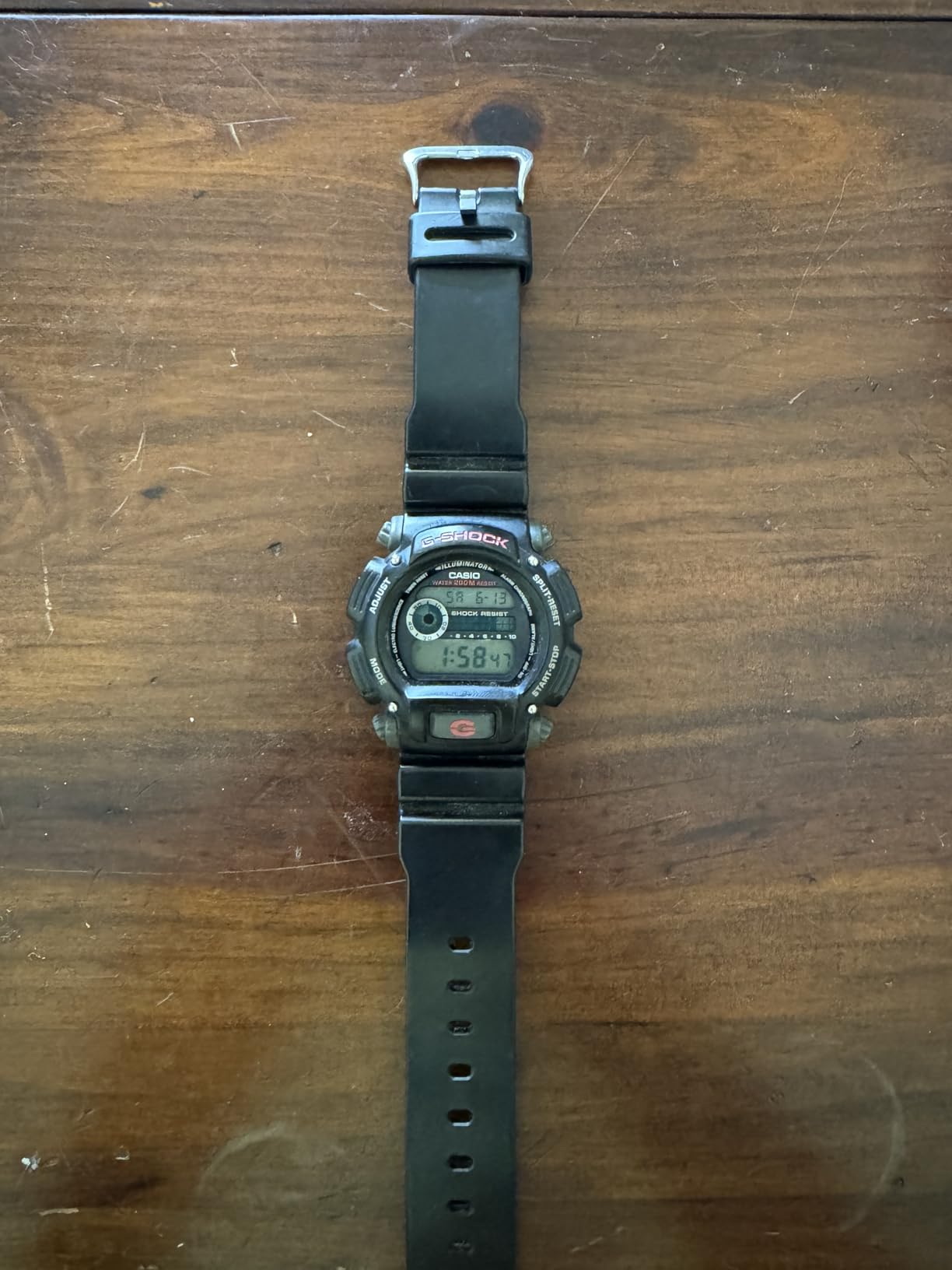
The multi-alarm system is more useful than it sounds. With an hourly chime, a flash alert and programmable alarms, you can fence in shift start, shift end and a lunch break without pulling out a phone. The 1/100-second stopwatch and the 24-hour countdown cover concrete cure timing and material batch tracking, which is the sort of thing this watch ends up doing more than anyone expects.
The electro-luminescent backlight with afterglow is what makes it readable in a dark basement or an early morning in a stairwell. It lights the whole face evenly rather than only the digits.
What holds up and what does not
What holds up is the case, the seals and the battery. Reviewers consistently describe this watch absorbing drops, hose-downs, dust and vibration without complaint, and the two-year battery means most people stop thinking about it entirely.
What does not hold up is the strap and the feature list. The supplied resin band is fixed and thin at the pin, so on a heavy wrist with a glove on, it is the first part to feel wrong. There is also no analog display, no memory between stopwatch laps, and no connectivity. If you time repetitive pours and want lap splits saved, this is not the watch.
Who should buy it and who should not
Buy it if you want one watch that you never charge, never service and never think about, and your work is carpentry, formwork, general building, masonry or site labour. It is the safest recommendation on this list for someone who does not yet know what they need from a watch.
Skip it if you plan to run your first watch for a decade of milestone occasions, or if you need a stopwatch with lap memory, or if a resin strap has never fitted your wrist comfortably. In that case the analog-plus-digital G-Shock below gives you more to look at for a similar outlay.
2. Timex Ironman Classic 30 – The 38mm Case That Disappears Under a Cuff
Timex Men’s Ironman Classic 30 38mm Watch, Gray and Black Case
38mm resin case with acrylic lens
INDIGLO backlight
100m water resistance
Adjustable strap to 8 inch wrists
Pros
- Compact 38mm case that fits under a glove cuff or shirt sleeve
- Indiglo backlight is clear for night work
- Three alarms plus dual time zones cover shift patterns
- 100m water resistance handles rain and washing
Cons
- Acrylic lens scratches more easily than mineral glass or sapphire
- Resin case and strap feel basic next to steel
- No stopwatch lap memory for timing work
Everything rugged in this list is a compromise, and on the Ironman Classic 30 the compromise is thickness in the other direction. At 38mm the case sits flat against the wrist, which matters more than people expect when your glove cuff is tight, your laces are high, or you are working overhead with your arms raised.
Reviewers who switched to this watch after a bulkier model almost always say the same thing: it is easier to forget you are wearing it. For a long shift, that is not a small thing. It weighs 3.1 ounces and it does not shift around when you are bent over a form.
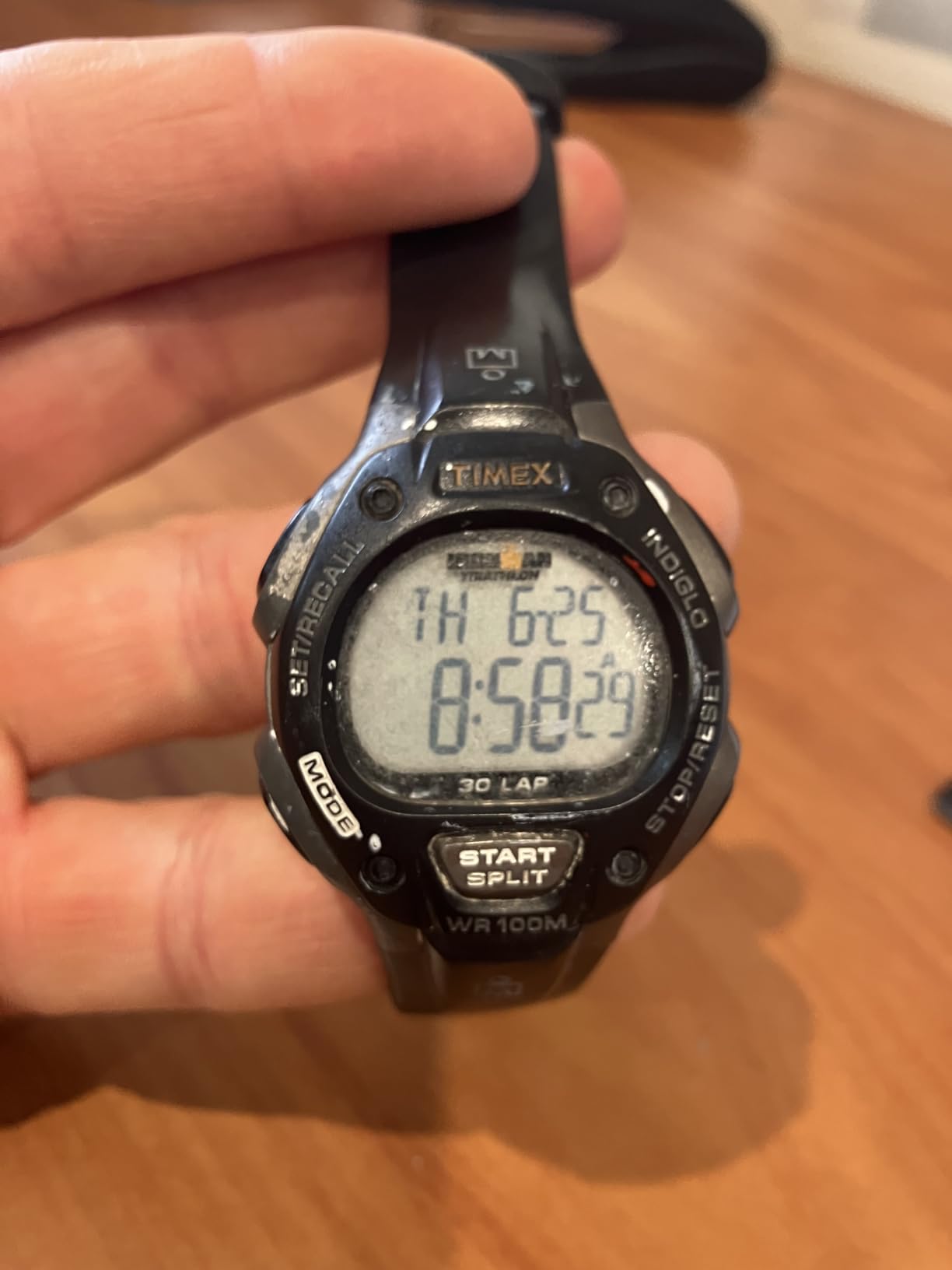
Functionally you get three alarms, dual time zones, 24-hour military mode and a full calendar. That combination is what lets most owners leave the phone in a locker. Water resistance is rated at 100 metres, which is plenty for rain, washdown and site hose use.
The strap is adjustable at 18mm and fits wrists up to 8 inches. That is worth flagging because strap fit is one of the most common complaints across this whole category, and this watch solves it better than most resin watches at this size.
Readability and the crystal trade-off
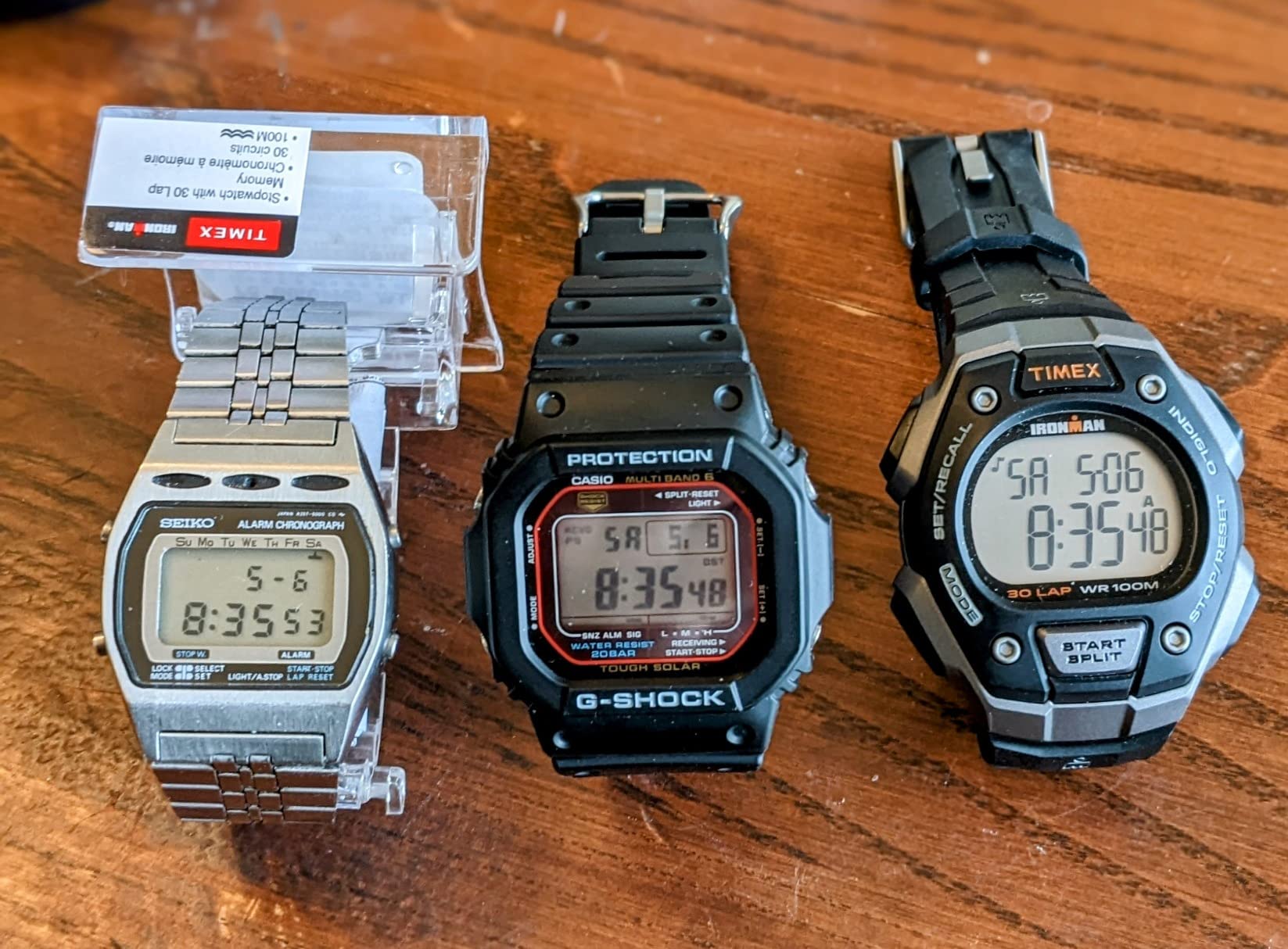
The INDIGLO backlight is the star. Press the button and the entire dial glows evenly, which is easier to read at 4am than a single lit digit area. In daylight the layout is clean and the digits are large for the case size.
The trade-off is the acrylic lens. It is the softest crystal in this roundup, and concrete dust at Mohs 7 to 8 will show as a haze on it faster than on mineral or sapphire. It will still read the time for years, but expect cosmetic scratching rather than structural failure. Rinse before wiping, and it will stay presentable longer.
Who it suits and who it rules out
This is the pick for smaller wrists, for anyone who wears a glove cuff all day, and for electricians and finishers who want alarms instead of a big module. It also works well as a second watch, because it is cheap and it is unobtrusive.
It is not the right answer if your work is wet enough to need real immersion protection, if you time things, or if you want a watch that still looks unmarked after five years of grinding concrete. For mud and groundworks, look at the Mudman further down.
3. Casio G-Shock GA100-1A1 – Analog Hands With a Full Digital Back-Up
Casio G-Shock GA100-1A1 | Men’s Tough Analog-Digital Watch | 200M Water Resistant | Shock & Magnetic Resistant | Sporty & Rugged Design
Analog-digital display
Shock and magnetic resistant movement
200m water resistance
2.5 ounces
Pros
- Analog hands give a glanceable time with the digital module handling data
- Shock and magnetic resistance suit work near motors and steel
- 200m water resistance handles rain and washdown
- Auto LED light with afterglow for dark work
Cons
- Bulky resin case sits large on smaller wrists
- Digital sub-dials are hard to parse in direct sunlight
- Fixed resin band with limited adjustment
The GA100 answers a complaint people have about digital work watches. Reading a number is fast, but reading a number takes a fraction of a second longer than reading hands, and after a ten-hour shift that fraction adds up. Put analog hands on the dial and back up the time with a digital module and you get both.
It is also the only watch here with a stated magnetic resistance. That matters more than it sounds: steel reinforcement, rebar bundles, electrical panels and machinery are the environment this watch is built for, and a magnetic field is one of the few site hazards a case and seal cannot protect against.
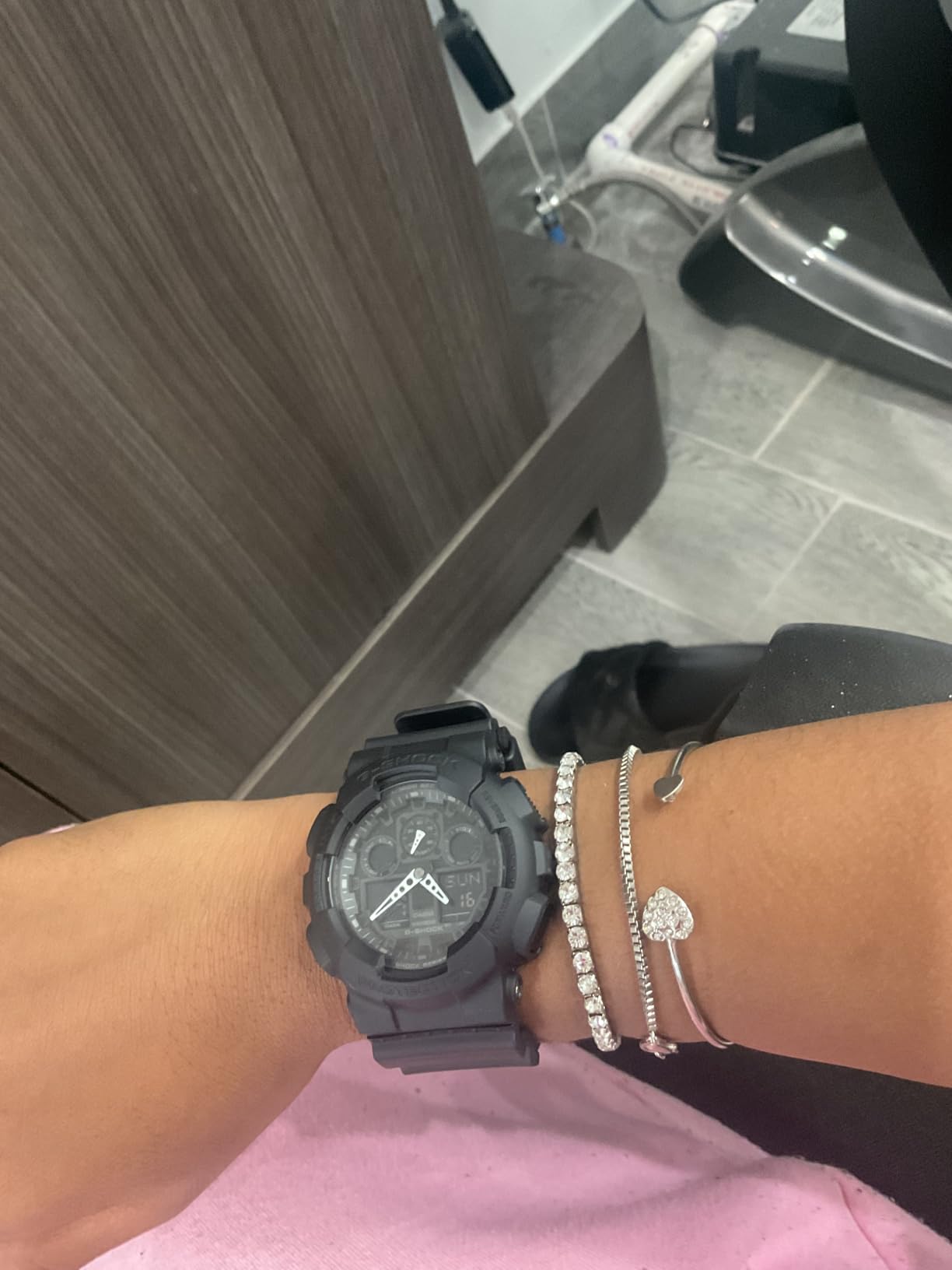
Water resistance is rated at 200 metres and the case weighs 2.5 ounces, which is light for its size. The auto LED with afterglow handles basements, plant rooms and night shifts, and the analog-digital format means you can run a stopwatch while still reading the time without switching modes.
It is a genuinely good value argument too. When you line this up against watches with a much higher price and a smaller feature set, it holds its own on the specs that matter on site.
Bulk and sunlight are the two honest drawbacks
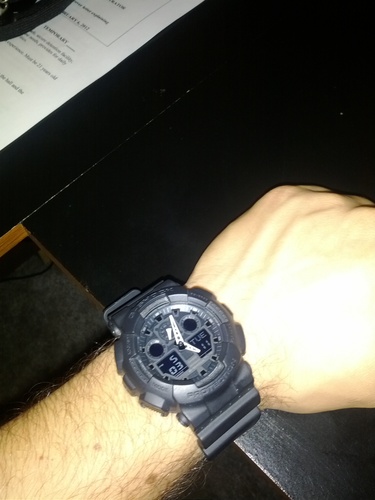
The case is tall and wide, and several reviewers note it feels large on smaller wrists or can catch on a sleeve. If you have caught a thick G-Shock on scaffolding or rebar, that is the same complaint arriving from another direction. A bulkier case is also a bigger target when something swings past it.
The other recurring note is the digital sub-dials. In direct sun they are genuinely hard to parse, and you end up tilting your wrist or blocking the light with your hand to read them. The analog hands and the main digital readout stay legible; the small sub-dials are the weak point.
Who it fits and who should look elsewhere
It suits people who want one watch for both the tools and after hours, and for anyone working near steel, motors or electrical gear where magnetic resistance is a genuine bonus. It is also a solid choice as the one watch you wear to a meeting without feeling like you came straight off a site.
Small wrists, or anyone who has been burned by a bulky case catching on something, should try the 38mm Ironman above instead. If your work is mud-heavy rather than steel-heavy, the Mudman is the more specialised answer.
4. Timex Ironman Endure 30 Shock – 200 Metres and 30-Lap Memory
Timex Men’s Ironman Endure 30 Shock 42mm Watch, Black Case
42mm shock-resistant case
100-hour chronograph with 30-lap memory
200m water resistance
1.92 ounces
Pros
- 200m water resistance is unusual at this price
- Chronograph stores 30 laps for repetitive site tasks
- Bright Indiglo backlight with on-screen button prompts
- Shock-resistant case survives drops and scraping
- Owners report four to five years of service per unit
Cons
- Heavier and bulkier than the classic Ironman profile
- Stock resin strap is stiff and the ridged sides dig into the wrist
- Alarm volume can be too quiet for heavy sleepers
This is the timing watch. The 100-hour chronograph stores 30 laps, and if you are timing repetitive pours, driving piles, running duct runs or timing multiple crews against the same clock, lap memory is the feature you will use daily and no other watch at this level provides it.
Reviewers describe using this watch in environments where watches are routinely knocked about, scraped and covered in vehicle paint, and report that it keeps time accurately and holds its 200 metre rating. Several owners also report four to five years of service from a single unit, which is the kind of longitudinal claim that matters more than a spec sheet.
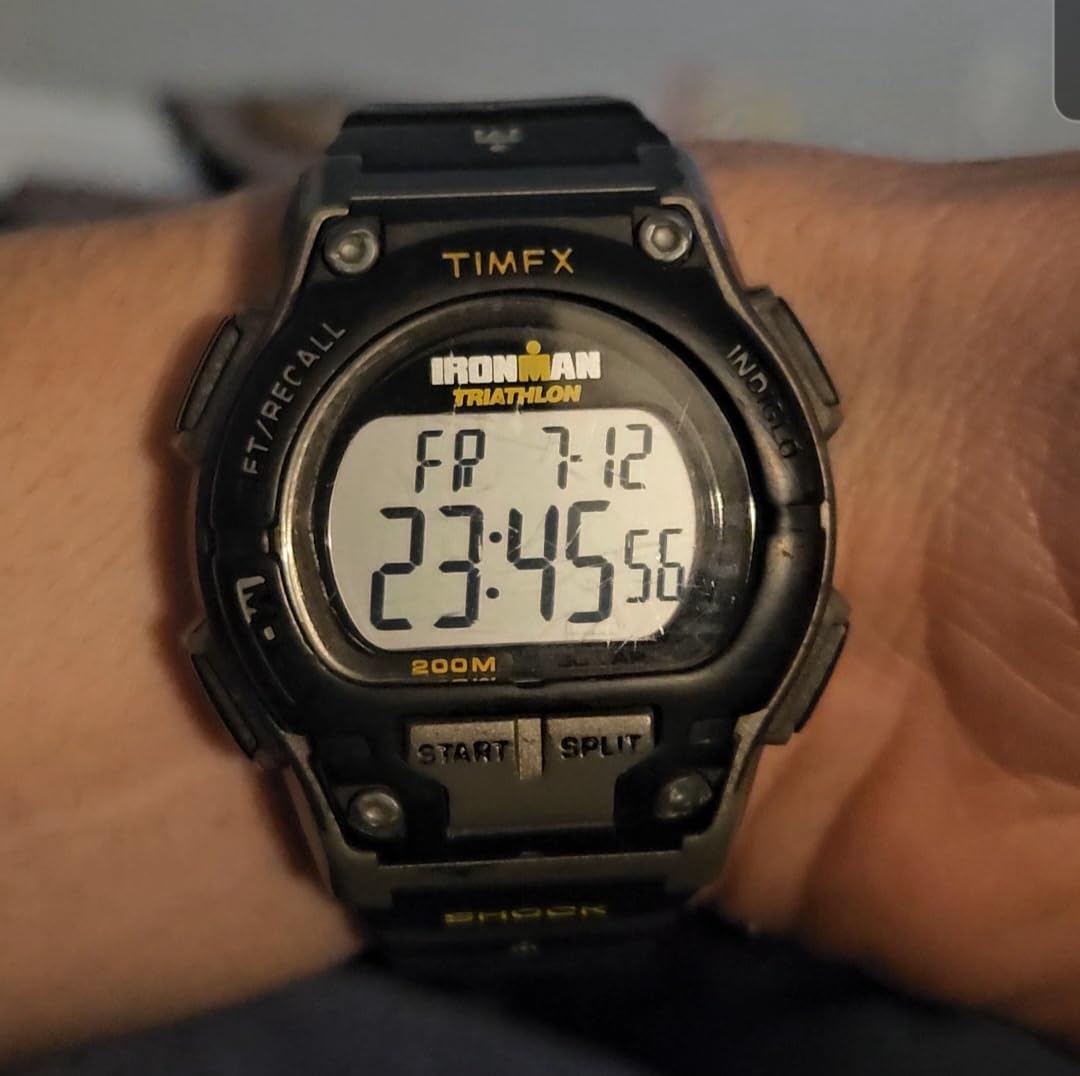
The on-screen button guide is quietly excellent. The Endure 30 has more functions than you will remember on day one, and having the display tell you which key does what means you learn it without a manual or a YouTube tutorial.
Three alarms with day, weekday or weekend settings plus dual time zones cover the multi-shift patterns common on site. The day, date and month calendar is there too, and the adjustable 18mm resin strap fits wrists up to 8 inches.
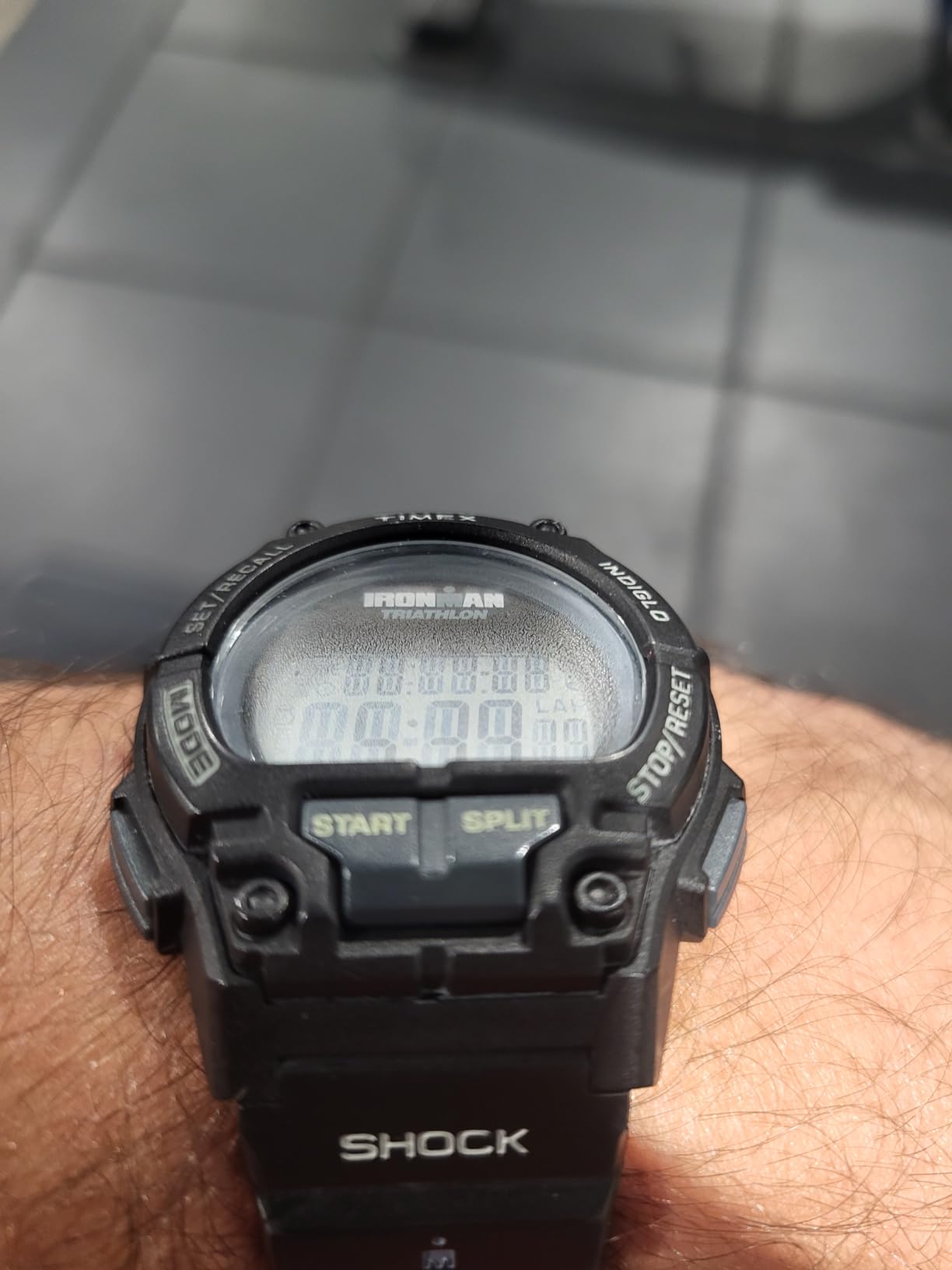
Comfort is the thing to try on
The most consistent complaint is the strap. The supplied resin band is stiff, and the waffled sides dig into the wrist on long shifts, particularly if you wear the watch tight enough that it stays put while you work. Budget for replacing the strap with a softer one.
The second complaint is bulk. At 42mm it is larger than the classic Ironman design, and reviewers comparing it to older models feel the difference immediately. The alarm volume is also worth testing if you are a heavy sleeper.
Who it is for
Buy this one if timing is part of your job, or if you split your week between site and office and want lap memory without a smartwatch. The 200 metre rating gives it real margin for wet trades, pool work and pressure washing.
Skip it if comfort over a ten-hour shift is your top priority, or if you need something slim under a tight cuff. In both cases the 38mm Classic 30 is the more comfortable answer, even though you give up lap memory.
5. Casio G-Shock Mudman G9000-1V – Built for Groundworks and Mud
Casio G-Shock Mudman Super Dual Illuminator Men’s Quartz 52mm Digital Watch G9000-1V
52mm shock, mud and low temperature resistant case
200m water resistance
Dual EL backlights
World time across 29 zones
Pros
- Mud resistant sealed case built for excavation and wet groundwork
- Two independent stopwatches with 1/100-second accuracy
- Five alarms plus snooze to structure a long workday
- Dual EL backlights illuminate the full display including labels
Cons
- Buttons are deliberately stiff when new and need real force
- High bezel casts a shadow over the display in direct sun
- Strap retainer grips poorly and lets the band slip
This is the most specialised watch on the list and the least versatile. At 52 by 46.3 by 16.3mm it is enormous, and no amount of styling is going to disguise that. If you are digging, trenching or working in mud, that size stops being a problem and starts being an advantage.
Long-term owners tell unusually vivid durability stories about this model. One field technician wore the G9000 through eight months of rock and cobble digging and reported a single scratch on the crystal after four years of constant outdoor work, with the original battery still running.
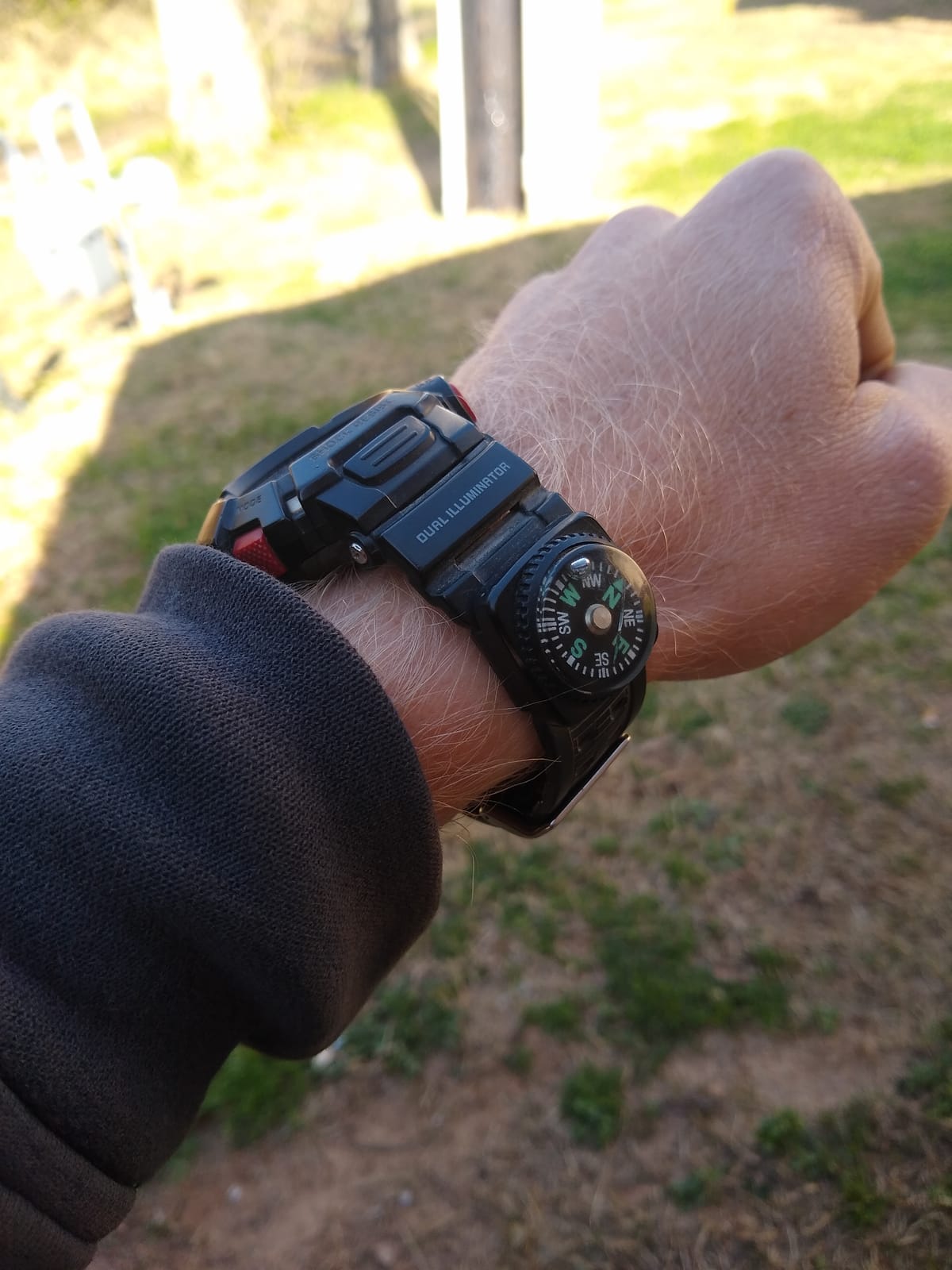
The dual illuminator lights the entire display including the dial text, which is the most praised feature for night and low-light work. Two independent stopwatches at 1/100-second accuracy, a 24-hour countdown with auto-repeat, and five alarms with snooze are more scheduling hardware than most people ever use, and it all works accurately through heat and heavy vibration.
Mud resistance and low temperature resistance are stated in the specs, which is what separates this from a generic large G-Shock. When you are shoulder-deep in a service trench in February, that is the spec that matters.
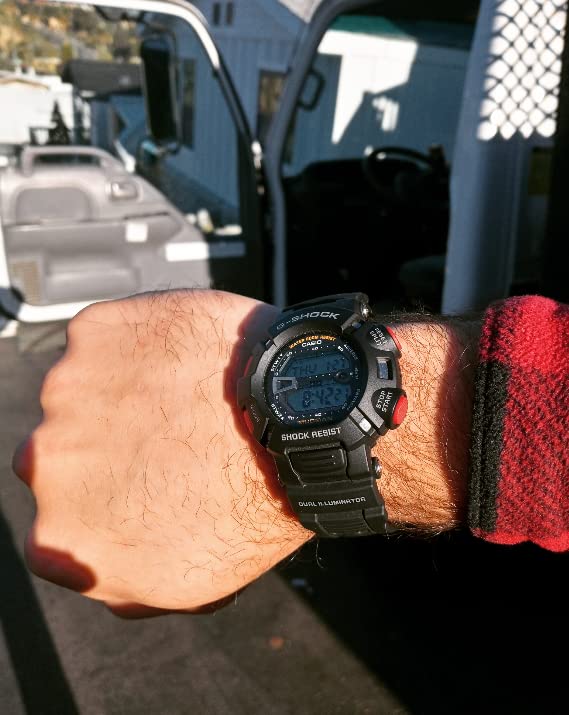
Why it is 52mm and not 45mm
The size exists because the case is sealed around a large battery, two independent timing modules and dual illuminators. You are not paying for bulk for its own sake; you are paying for the space the engineering needs.
The cost is that the tall bezel shades the display in bright sun, forcing you to tilt your wrist to read it. The buttons are deliberately stiff when new because the gaskets that keep mud out depend on that seal. And the strap retainer grips poorly, so the band can slip if it is not set snugly. Raised nubs on the caseback also irritate some wearers.
Who it is for
Groundworkers, drainage and excavation crews, anyone working wet trades outdoors through winter, and people who have already broken a watch in mud and do not want to do it twice. The 200 metre rating and dual timers make it a strong companion for setting out work that has to be measured accurately.
It is the wrong watch for a foreman who is also walking client sites, wrong for a small wrist, and wrong for anyone whose site policy restricts bulky jewellery near rotating plant. For general work, the DW9052 is the version of this idea at a size you will actually keep on all day.
6. Garmin Instinct 2X Solar – 40 Days of Battery and a Built-In Torch
Garmin Instinct® 2X Solar Tactical, Rugged Outdoor Smartwatch, 50mm, Black
50mm fiber-reinforced polymer case
Power Glass solar lens
Roughly 40 days in smartwatch mode
67g
Pros
- Built-in LED flashlight with variable brightness and strobe gets used daily on site
- Solar charging delivers real gains in mostly outdoor work
- Roughly 40-day battery life in smartwatch mode
- Multi-band GPS locks fast and holds a fix in valleys and under canopy
- Physical buttons work with gloves on
Cons
- Monochrome display is far less detailed than a colour AMOLED
- Menus are button-heavy and steep for new users
- Large 50mm case and thick stock band can catch on long sleeves
The Garmin Instinct 2X Solar is the only watch here with a torch in it, and by a wide margin the flashlight is what owners mention most. A variable-intensity LED with strobe modes on your wrist is genuinely useful for night walks, checking a dark crawl space, raking a driveway at dusk or as a red-mode aid when you need to preserve night vision.
The second headline is battery. Roughly 40 days in smartwatch mode, and solar charging through the Power Glass lens extends that further. For someone working outdoors most of the day, that removes charging from the list of things to think about entirely, which is the same argument the two-year coin cell makes at the budget end.
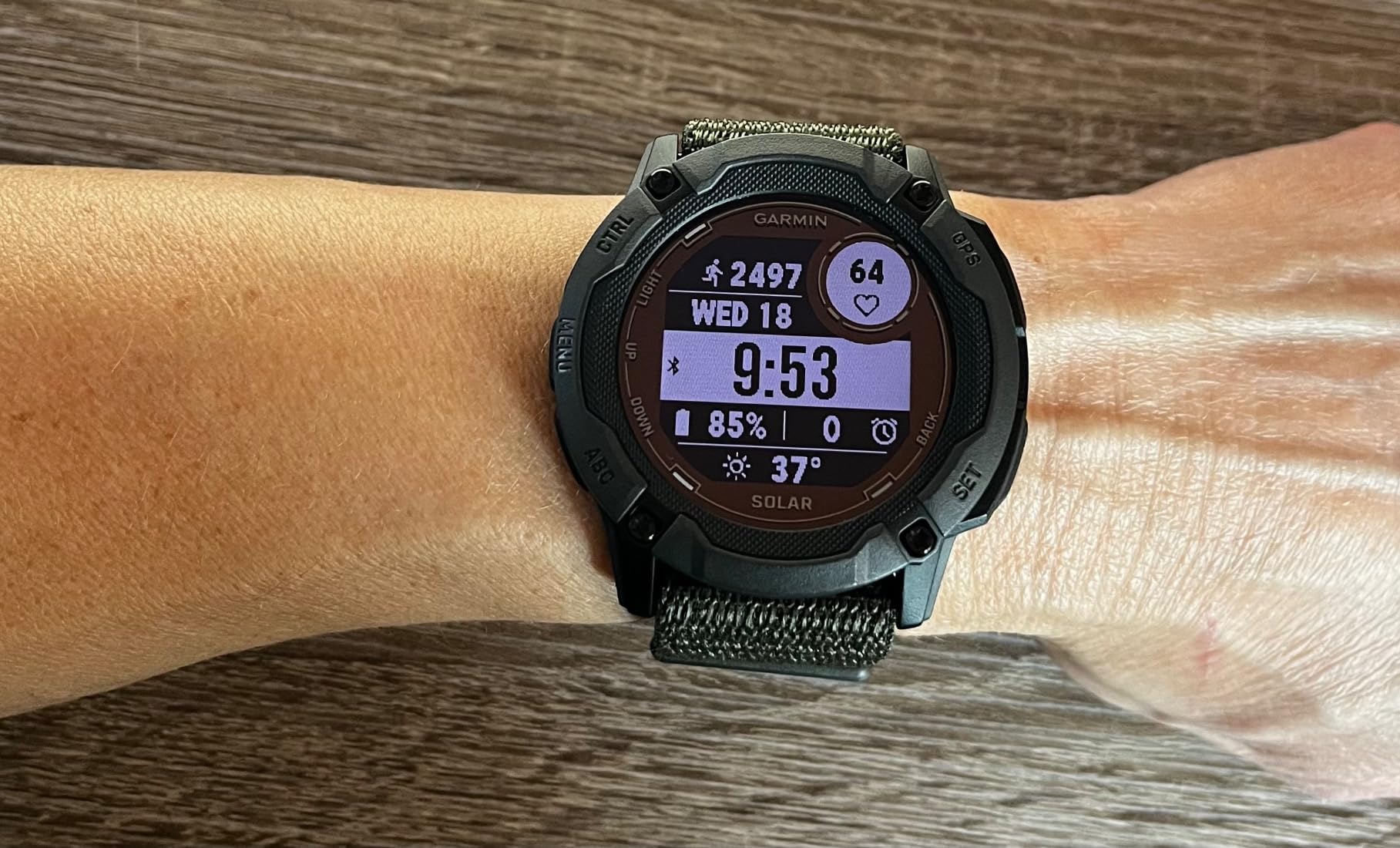
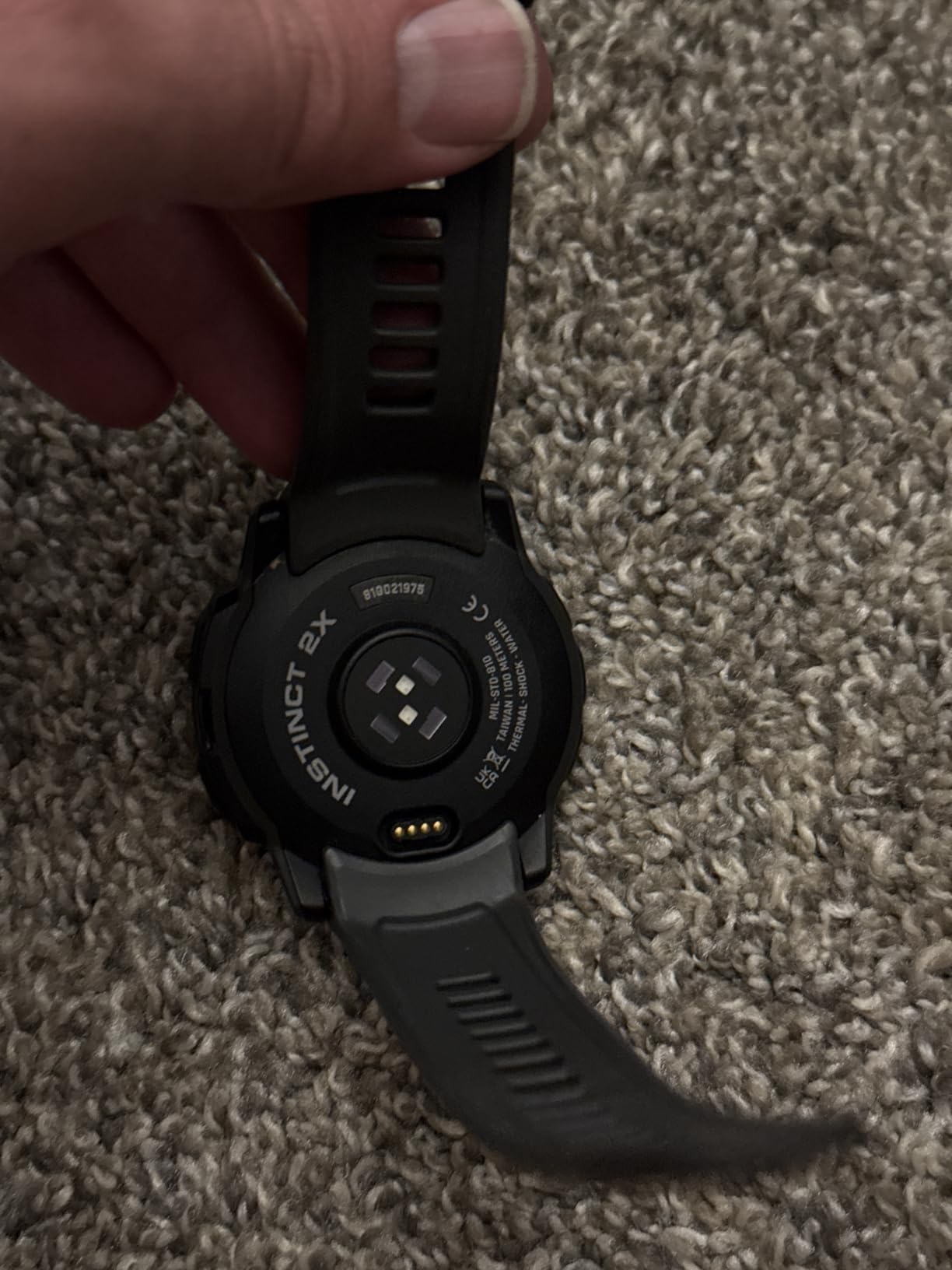
The case is fiber-reinforced polymer rated to US military standard 810 for thermal, shock and water resistance, and water resistance is rated at 100 metres. Multi-band GPS, a three-axis compass and a barometric altimeter are all built in, and owners report the GPS locking quickly and holding an accurate fix even in valleys and under tree canopy.
Everything is operated by physical buttons rather than a touchscreen, which is the correct call on site. You can start a workout or read a menu with a glove on. It works with both Android and iPhone, and there is no subscription attached to the core sports and health features.
The display trade-off is real
The transflective memory-in-pixel screen is sunlight-visible and excellent in brightness, but it is monochrome and 1.27 inches. Compared with a colour AMOLED it looks sparse. If you are used to reading maps and data-dense screens, this feels like a step backwards visually even though it is better in direct sun and far better on battery.
Onboard maps are basic compared with the fenix and epix lines, and the menu depth is steep enough that reviewers routinely recommend YouTube tutorials. The 50mm case and the thick supplied silicone band are large, and the thick band is exactly the thing that catches on a sleeve.
Who it is for
It suits people whose job takes them off the site footprint: survey, utilities, forestry, solar or roofing install, field service, anyone covering large ground or driving between jobs. Solar plus long battery plus GPS plus a torch is a combination nothing else on this list offers, and the physical buttons mean gloves are not a problem.
It is not the watch for a desk, for a formal dress code, or for someone who wants wrist calls and colour apps. For those, the rugged Android models below get you more per unit of money, at the cost of the battery life and the build pedigree.
7. Citizen Promaster Nighthawk BJ7000-52E – Solar Steel That Handles a Meeting
CITIZEN Men’s Eco-Drive Promaster Nighthawk 42mm Stainless Steel BJ7000-52E
Eco-Drive solar movement
200m water resistance
42mm stainless steel case and bracelet
5-year warranty
Pros
- Eco-Drive solar movement runs with no battery changes ever
- Luminous hands and markers stay readable in dim and dark conditions
- Anti-reflective mineral crystal cuts glare in bright outdoor light
- Stainless steel case and bracelet feel premium next to resin watches
Cons
- Heavier and larger than most digital work watches
- No stopwatch timer or alarm functions
- Mineral crystal scratches more readily than sapphire
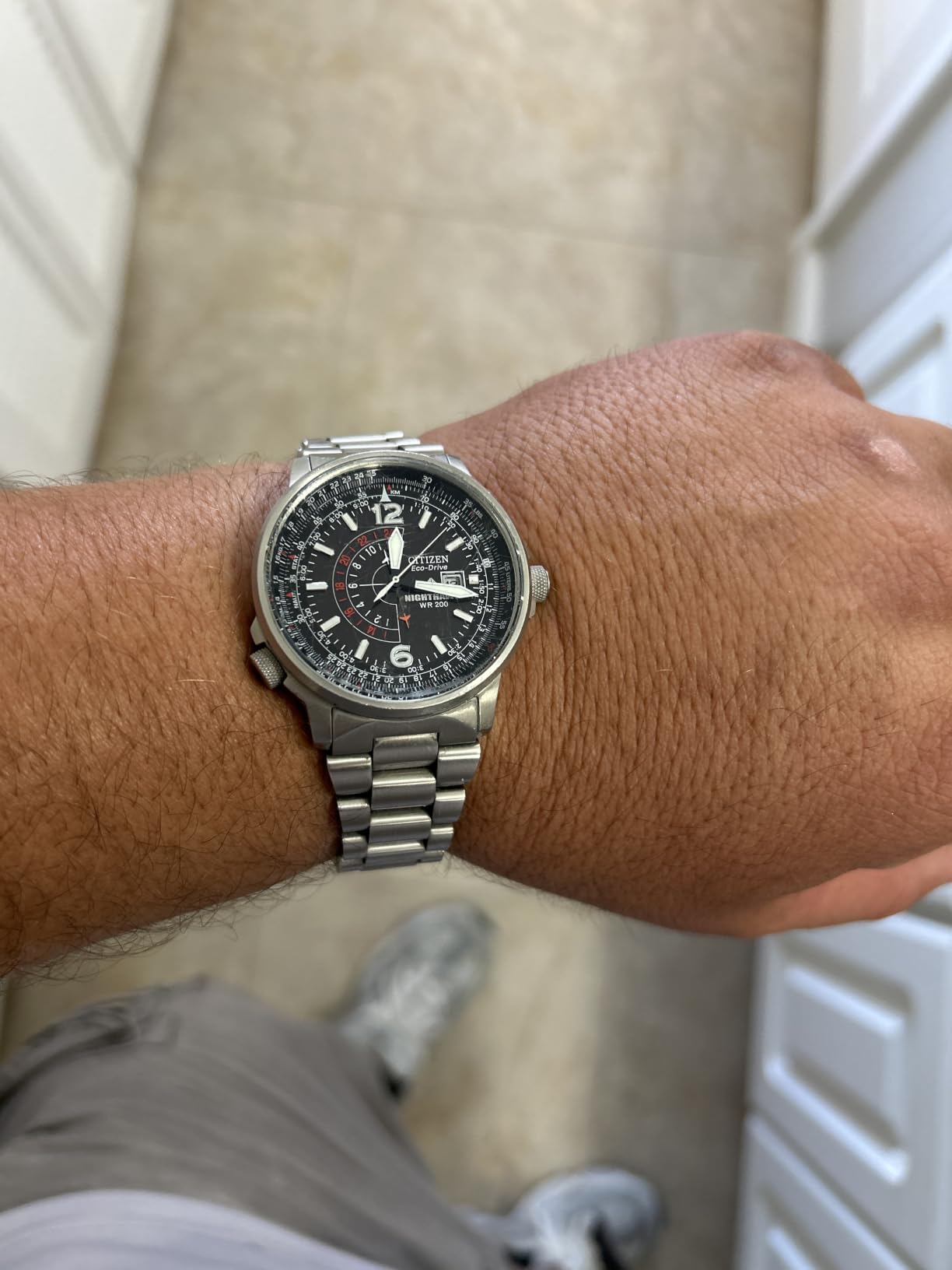
Most site watches are an admission that you cannot go to the client meeting dressed like that. The Promaster Nighthawk is our answer to that problem. It is a pilot-inspired field watch in stainless steel with an Eco-Drive solar movement, a luminous dial, a dual second time zone and 200 metre water resistance.
It means one watch does both jobs. You wear it on site in the morning, it survives the dust and the rain, and you keep it on for the walk into the meeting. That is a real convenience, and it is the reason solar analog watches keep showing up in our recommendations despite having no timing functions at all.
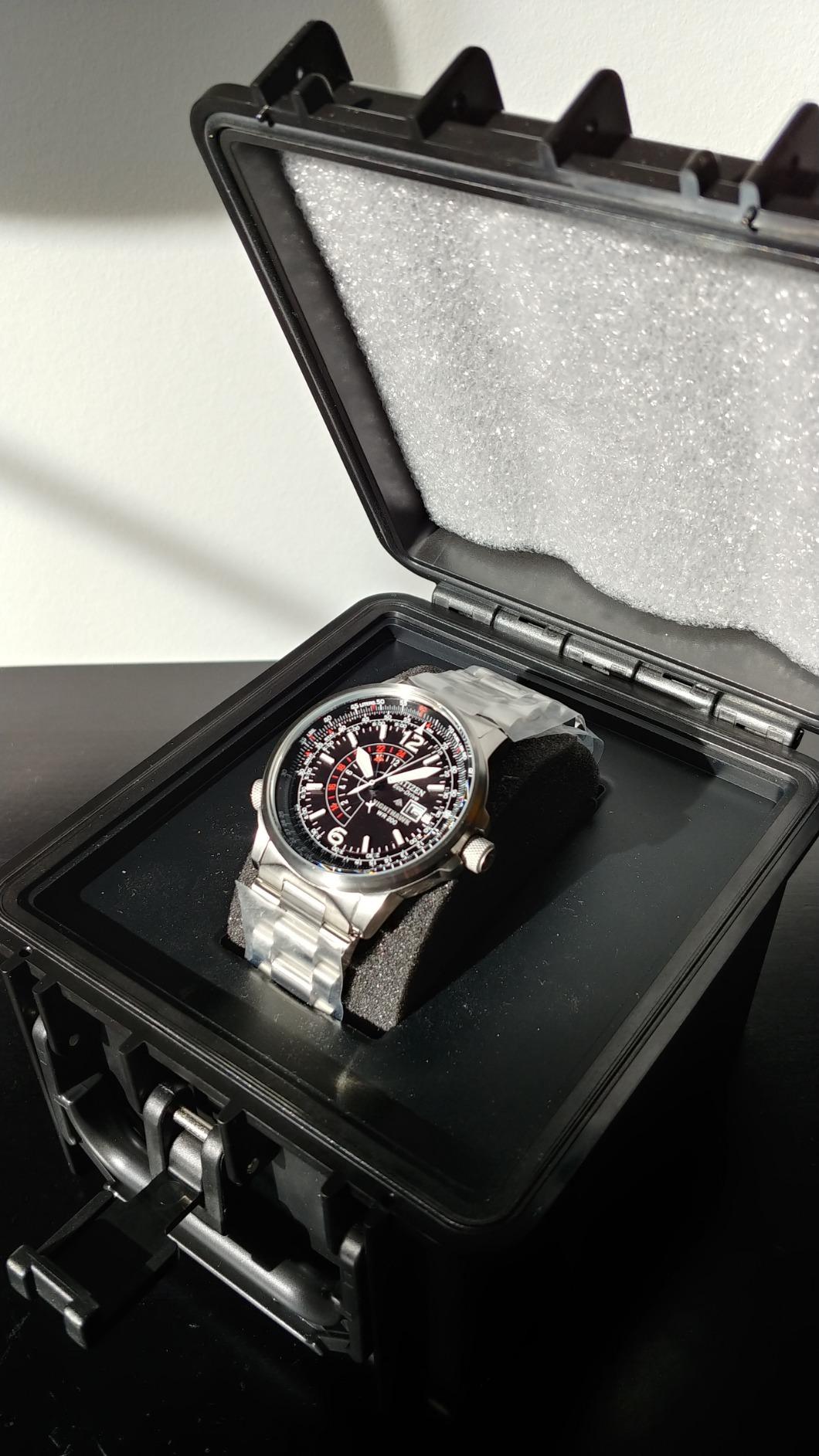
Eco-Drive runs off a lithium-ion cell charged by light, so there is no battery change and no charger to carry. With a five-year limited warranty behind it, the ownership math over a career is straightforward: you set it and forget it.
The luminous hands and markers are large and clearly readable in dim conditions, and the anti-reflective mineral crystal keeps the dial legible in full sun, which is more than most mineral-crystal watches can say.
What you give up
There is no stopwatch, no countdown timer and no alarm. If you time pours or need a shift alarm, this watch simply does not do it, and no amount of site wear changes that.
It is also 42mm of steel, which is heavy and large against a resin work watch. Reviewers working in a worksite context consistently flag the weight and size as the main drawback. And the crystal is mineral, which sits at Mohs 5 to 6 against concrete dust at 7 to 8, so it will pick up surface scratches over years of site use. On a watch this visible, expect it.
Who it is for
Foremen, project managers, site managers and anyone who genuinely has to present on site. Also right for people who do fine joinery or finishing work where a resin watch looks out of place, and for anyone who wants a single watch they never need to charge and can wear anywhere.
It is not right for timing tasks, for anyone who wants to read the time in the dark without an illuminated display, or for people who will resent scratches on a steel watch. If you want the office-site answer with more ruggedness, the Weekender below is the lighter, cheaper version of the same idea.
8. KOSPET Tank T3 Ultra – Steel Rugged Android With Dual-Band GPS
KOSPET Tank T3 Ultra Smart Watch, Dual-Band GPS, 5 ATM & IP69K Waterproof
Stainless steel unibody case
1.43 inch Gorilla Glass 9H display
5ATM and IP69K sealing
470mAh battery
Pros
- Stainless steel unibody and Gorilla Glass feel substantially more rugged than plastic smartwatches
- Owners report up to three weeks of battery with sensors trimmed
- Dual-band GPS and altimeter readings accurate against survey maps
- 5ATM and IP69K sealing holds up to repeated pool swimming
Cons
- Several owners report blank screens or failed charging within six to twelve months
- Weather data does not sync correctly with the phone app
- Distance and elevation readouts stay in metric units regardless of settings
The Tank T3 Ultra is the value pick in the smartwatch tier, and the reason is the battery. It runs up to 16 days in smartwatch mode on a 470 mAh cell, and owners who turn sensors off report close to three weeks. That is a different order of magnitude from a typical smartwatch, and it means you are not looking for a charger at 4pm.
The build is more serious than the price suggests. It is a full stainless steel unibody case with 1.43 inch Corning Gorilla 9H double-layer glass, and it has passed 15 military-grade tests covering temperature, altitude, low pressure, dust, salt spray and liquid contamination. Sealing is rated at 5ATM dynamic and IP69K static, which is a washdown-level rating.
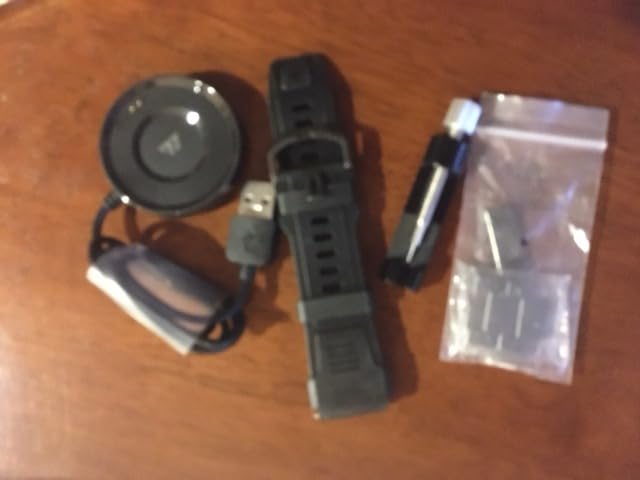
Sensor accuracy draws specific and unusual praise. Owners report altimeter readings landing within a foot of local survey maps, and describe the heart rate, SpO2, stress and sleep tracking as accurate. Dual-band GPS picks up both L1 and L5 signals across six satellite systems, which is a specification normally reserved for watches several times the price.
You also get Bluetooth calling, an AI voice assistant, a weather forecast, a stopwatch, a calculator and remote photo capture, with both a silicone band and a metal band in the box. Customer service has also been credited with proactive, no-hassle refunds when hardware has failed.
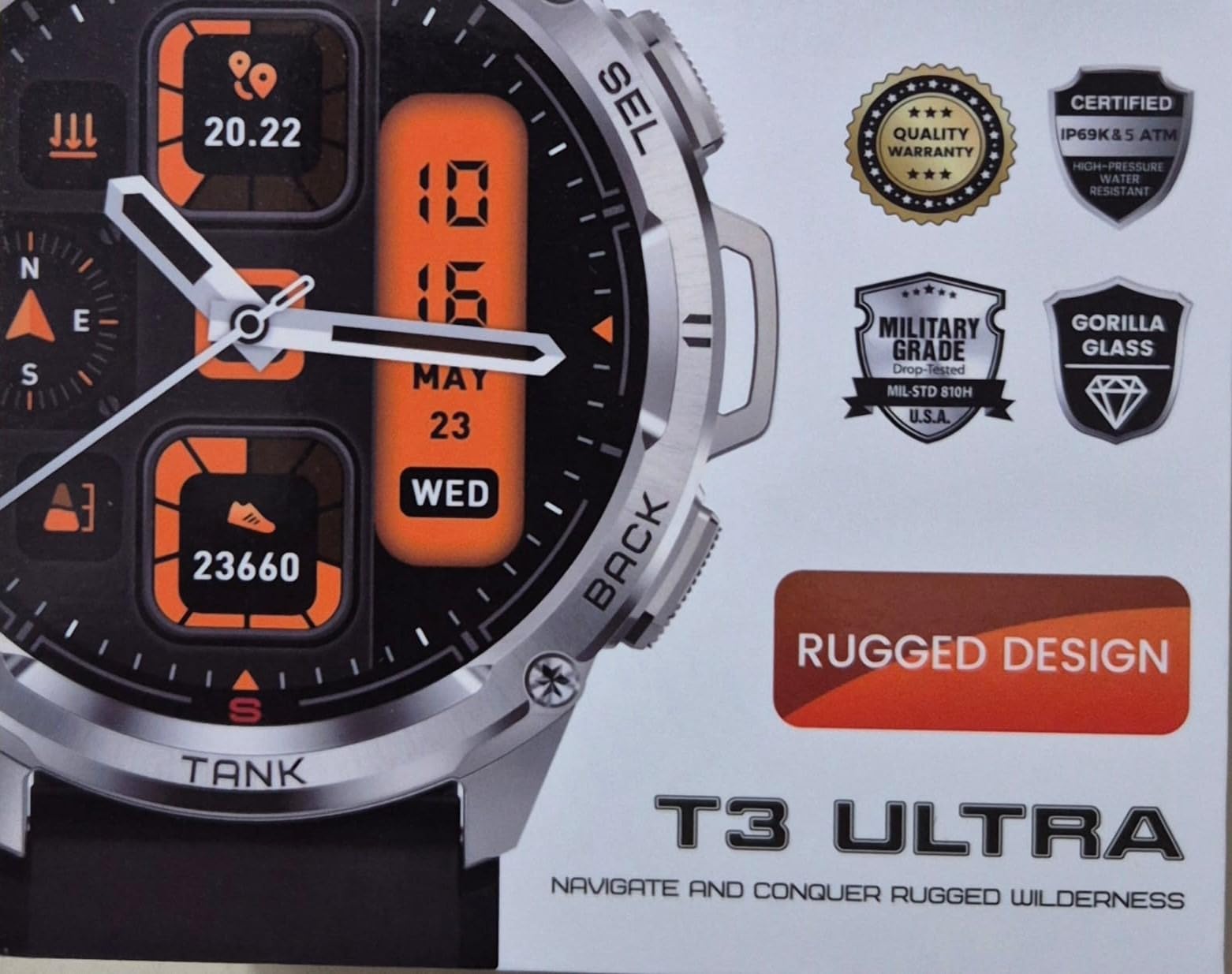
The failure cluster is the honest drawback
There is a distinct group of owners reporting that the display went permanently blank, buttons failed, or the unit stopped charging or booting within roughly six months to a year. That is the single biggest reason we have not ranked this above the Carbinox, despite better battery and sensor results.
Software polish is also behind the big names. Weather and temperature data does not sync correctly with the phone app, and distance and elevation readouts stay in metric units whatever you set. Watch faces are less extensive and less polished than major-brand smartwatches. Expect to buy a second strap anyway.
Who it is for
It suits anyone who wants apps, calls, GPS and a flashlight-class screen for roughly a fifth of what a mainstream smartwatch costs, and who is comfortable with budget-brand hardware support. It is also a good fit for pool work or pressure washing given the 5ATM and IP69K ratings.
It is not the pick if your phone is your only lifeline for coordinating crews, if you cannot tolerate a device that might stop charging in a year, or if accurate tracking data matters more to you than the price you pay. For those, the Garmin above is the longer-term answer.
9. Carbinox Blaze – Alloy Steel With Bluetooth Calling on the Wrist
CARBINOX Blaze Rugged Smart Watch for Men, Fitness Tracker, GPS, Round
MIL-STD-810H alloy steel build
1.43 inch AMOLED up to 1000 nits
IP69K sealing
480mAh battery
Pros
- Alloy steel case and Gorilla Glass hold up with no scratches reported after a year of daily wear
- Screen is bright and noticeably better than typical budget smartwatch displays
- Bluetooth calling and notifications let you leave the phone in a pack
- IP69K sealing holds up to water mud heat and dirt
Cons
- Companion app crashes often and syncing is unreliable
- Step counts and health metrics are widely reported as inaccurate
- Some owners report dead buttons or blank screens at 12 to 17 months
The Carbinox Blaze is the most conventional-looking of the rugged smartwatches here, with a round alloy steel case and a 1.43 inch AMOLED at up to 1000 nits. The brightness is genuinely useful: it stays readable in direct sun, which is the single most common complaint about cheaper watch screens.
What it does that the others do not is calls. A built-in speaker and microphone mean Bluetooth calling on the wrist plus message and app notifications. If your crew lead needs to reach you while both hands are occupied, that is worth more than another fitness metric.
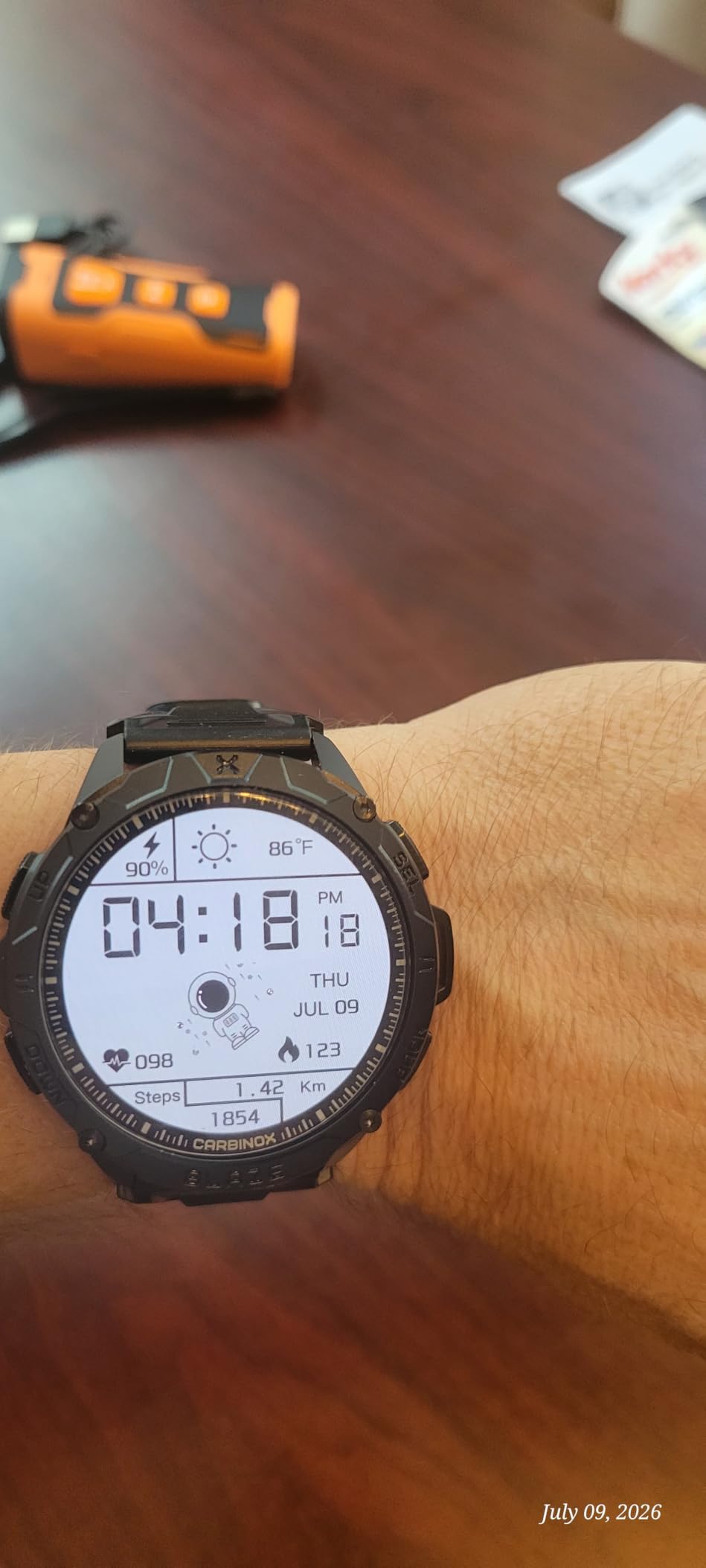
The build is genuinely rugged on paper and in practice. It is MIL-STD-810H tested with a Gorilla Glass display and IP69K sealing, and owners report no scratches after a year of daily work wear. One owner working in fire and pool service describes the sealing holding up against water, mud, heat and dirt.
Battery is 480 mAh, which owners report at five to six days in normal use and up to two weeks with sensors trimmed. Dual GPS with seven outdoor modes, plus compass, altimeter and barometer, covers the usual site navigation. The 22mm quick-release strap means you can change bands without tools.
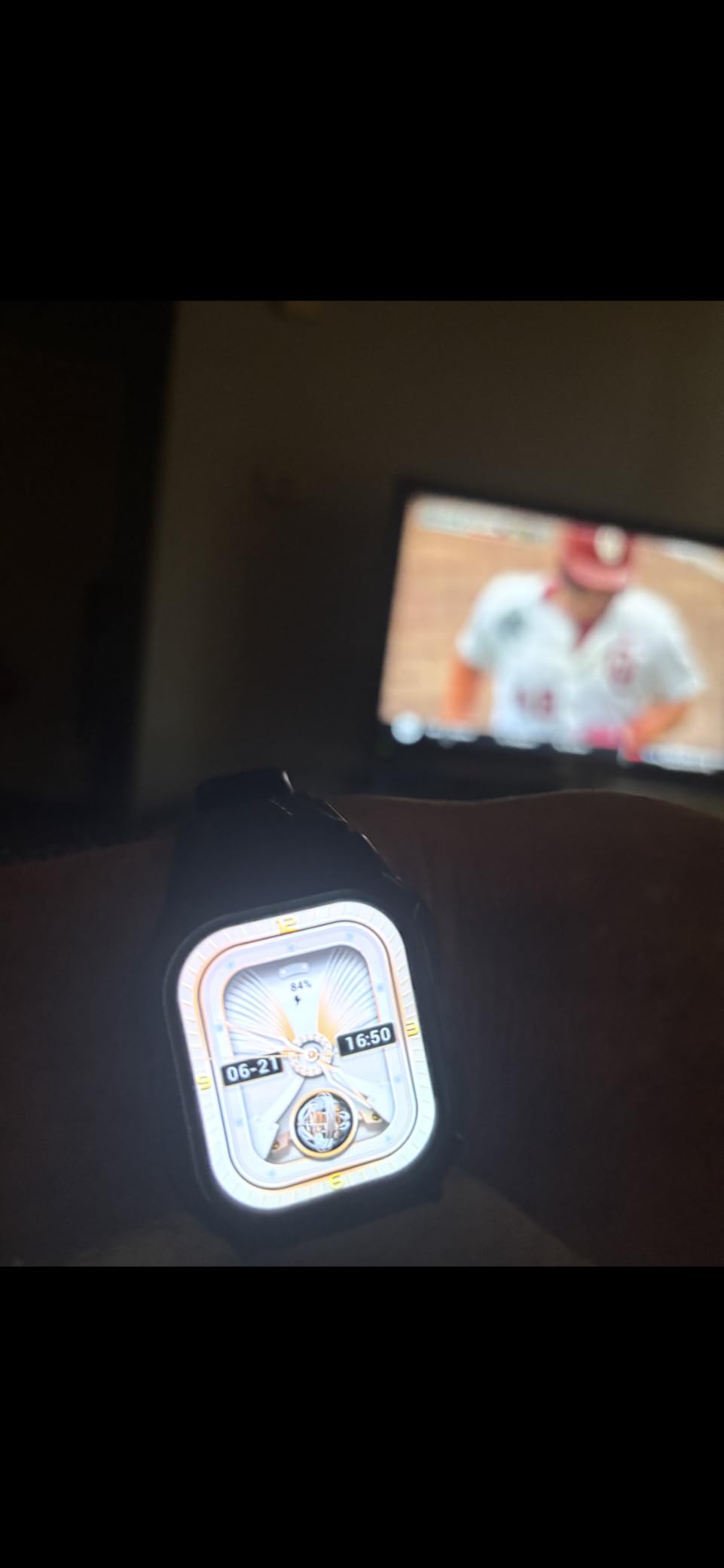
Where the 4.0-star rating comes from
This watch splits cleanly in two. The hardware is praised. The software is the dominant complaint: owners repeatedly describe the companion app as crash-prone, slow to sync, and unable to share data with the earlier Carbinox app, which means data can be lost. Step counts, heart rate and workout stats are widely called inaccurate.
There is also a hardware longevity cluster, with some owners reporting buttons stopping responding after about a year and screens going black at 17 months. The included rubber band has been reported snagging and tearing on backpack straps, and there have been no software updates since release. Budget for a replacement band.
Who it is for
Pick the Blaze if wrist-based calling is a genuine part of your job, if you spend a lot of time outside and want a bright screen, and if you want smartwatch hardware at a fraction of mainstream-brand pricing. The bright AMOLED in direct sun is the best display on this list after the Garmin.
Do not pick it if reliable health data matters to you, if the app stability will frustrate you, or if a device that might need replacing inside two years is not a realistic proposition. The Tank T3 above shares the price bracket with better battery life and a better-specified GPS, though it has no calling speaker.
10. Citizen Eco-Drive Weekender Avion – One Watch for Site and Home
CITIZEN Men’s Eco-Drive Avion 43mm Stainless Steel BM7550-01E
Eco-Drive solar movement
Spherical mineral crystal
100m water resistance
5-year limited warranty
Pros
- Eco-Drive solar movement never needs a battery change
- Aviator field styling that reads as both workwear and smart-casual
- Lightweight low-profile case with a spherical crystal that resists glare
- Five-year limited warranty from Citizen
Cons
- No stopwatch timer alarm or backlight for job timing
- Spherical mineral crystal scratches more readily than sapphire
- Thin analog hands are hard to read in low light
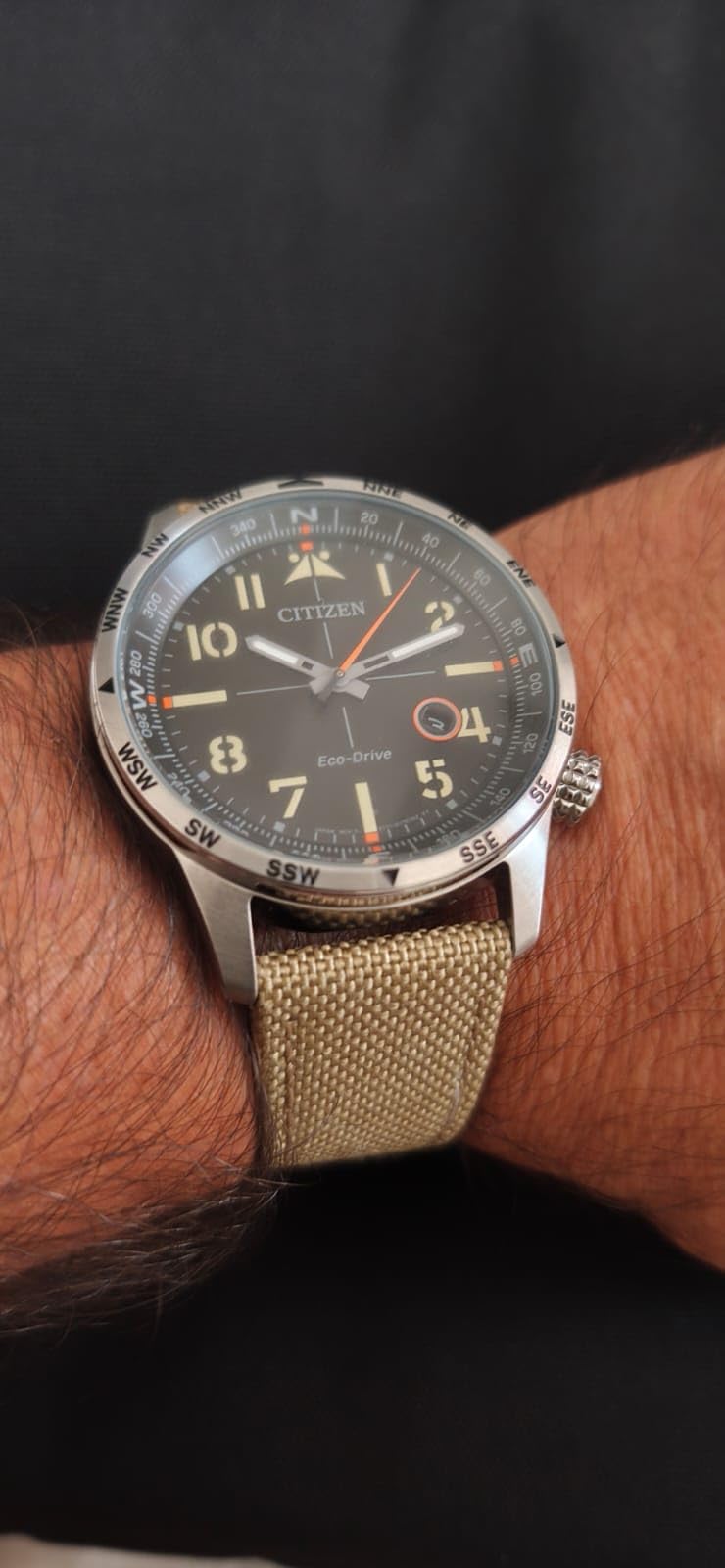
The Weekender is the cheapest route to the office-and-site watch problem, and it does it with an aviator field style that looks equally at home in workwear and in a smart-casual setting. The stainless steel case and bracelet variants read as a proper watch rather than a gadget.
Like the Promaster, it runs on Eco-Drive, a light-powered movement that needs no battery. There is no charger to remember and nothing to service, and Citizen backs it with a five-year limited warranty. The 100 metre water rating covers rain, washing and general site work.
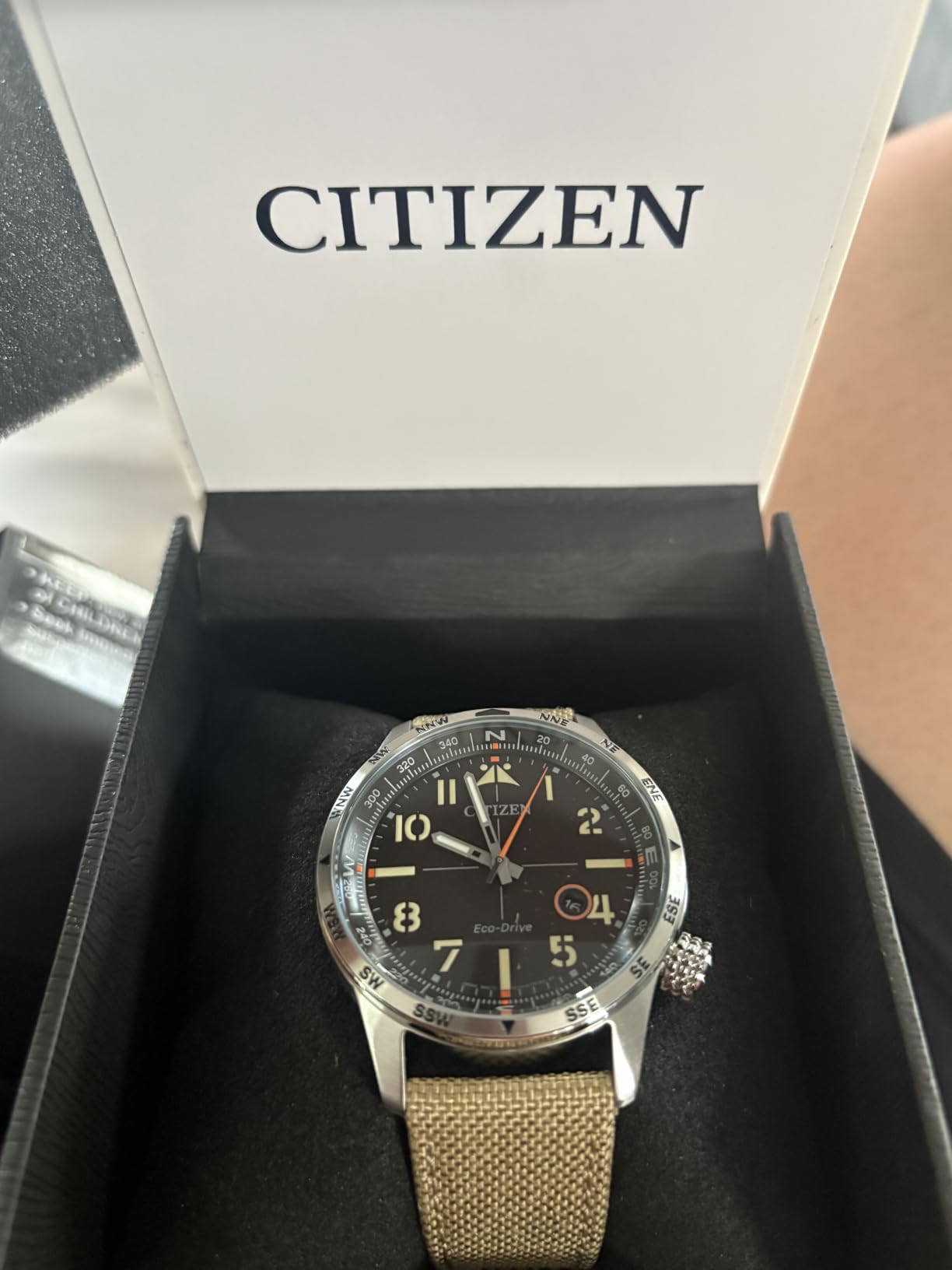
The spherical mineral crystal is a nice touch that resists glare better than a flat crystal on a field watch, and the low-profile case is lighter and less in the way than a resin G-Shock. If you have been put off by bulk, this is the watch to try on.
Buyers consistently value that there is no battery service and no charger to carry. For a lot of people, that single point outweighs every missing feature below.
All of the caveats are about function, not quality
There is no stopwatch, no timer, no alarm and no backlight. If you work a shift where you need an alarm or you time materials, this watch cannot do it and never will.
The spherical mineral crystal will scratch over time, as mineral glass does at Mohs 5 to 6 against site dust at 7 to 8. The thin analog hands are also noticeably harder to read in low light than a luminous digital or a G-Shock display. And at 42mm the case still sits large under a tight cuff or glove.
Who it is for
It suits apprentices and anyone building a first watch collection, foremen who need to look presentable, and anyone who wants a solar watch they can wear to the pub without changing. It also works as the off-hours half of a two-watch system, though its 100 metre rating means it should not be the site watch.
It is the wrong pick if you need timing functions, if you need to read the time in the dark, or if you will be upset by scratches on a steel watch with no sapphire to protect it. For the same solar idea with more site toughness and 200 metres, the Promaster above is the step up.
What Specs Actually Matter on Site?
Here is what separates a watch that survives five years of construction work from one that does not. Five things, roughly in order of how often they decide the outcome.
1. Case material and shock isolation
Resin and reinforced polycarbonate absorb impact because they flex. Stainless steel resists corrosion and looks better, but it transmits an impact straight into the crystal and the movement. That is why the majority of site survivors on this list are resin, and why the steel picks we include are either solar analog watches or smartwatches with reinforced glass.
ISO 1413 is the shock standard worth recognising. It drops a 3 kg mass from 30 cm onto a watch with a hardwood strike surface. Passing it is meaningful. Treating it as a promise of invulnerability is not.
2. Sealing and what the ratings mean
Water resistance on site is about hose-downs, rain mid-pour, washout water and degreaser. Not swimming. A 100m rating with intact gaskets covers that with margin. A 200m rating with a screw-down crown is better if you work near water, in mud or on pool and pool-adjacent jobs.
Push-pull crowns are the weak point that water ratings do not account for. A crown that unscrews is a gasket to maintain; a crown that pushes in is a seal to lose. And gaskets degrade. If your site watch has a screw-down crown, have it resealed periodically rather than waiting for it to leak.
IP68 means dust-tight and continuous immersion. IP69K means protection against high-pressure, high-temperature water jets, which is closer to a pressure washer. Neither means the watch is a diving instrument, and IP69K does not mean underwater-proof.
3. Crystal hardness against concrete dust
Concrete and silica dust scores 7 to 8 on the Mohs scale. That is the fact that surprises people, because dust feels soft and harmless while you are cutting it.
Sapphire sits at 9 and shrugs it off. Mineral glass at 5 to 6 loses a fight with dust over time and ends up hazed. Acrylic, the softest crystal in this roundup, scratches even faster. Wiping a dusty crystal with a dusty glove accelerates all of this, which is why the rinse-then-wipe rule is the highest-value thirty seconds of watch maintenance on any site.
4. Movement choice under vibration
Every watch on this list runs on quartz, solar quartz or electronics, and that is not a compromise. It is the reason they survive.
A mechanical movement has a balance wheel, pivots and shock springs that keep it accurate. Sustained high-frequency vibration from breakers, demo saws and impact drivers wears exactly those parts. A mechanical watch worn daily through years of demolition work ages far faster than one worn in an office. Quartz has no balance to bruise, which is why a cheap resin quartz watch routinely outlives a mechanical watch costing several times as much.
5. Legibility with gloves on
You are reading this watch with a work glove on, at arm’s length, in direct sun or in a dark stairwell. That rules out thin hands, low-contrast dials and small text. Look for large digits or large luminous markers, a backlight that lights the whole face rather than a strip, and buttons you can find by feel.
Screen size and physical buttons matter more than apps here. The Garmin uses buttons instead of a touchscreen for exactly this reason, and no watch needs an app to tell the time in a stairwell at 4am.
Strap, Snag Hazard and the Question of Steel Bracelets
Steel bracelets survive site work badly. They scratch immediately, they trap abrasive dust between the links where it grinds against the case, and near rotating plant they are a snag hazard that some sites ban outright. Resin or rubber straps are the correct answer on the tools.
Two things about straps are worth planning for. First, bulk is a snag risk, and a 52mm Mudman or a 50mm Garmin can catch on a sleeve, a ladder rung or rebar in ways a 38mm watch cannot. Wear your watch on the wrist opposite your dominant hand if you work overhead.
Second, plan to replace the strap. Resin straps stiffen, dig in and eventually crack at the pin, and budget-brand smartwatch bands tear on backpack straps. A quick-release 22mm strap means you can swap in a softer or shorter band in a couple of minutes, and the wrist size and glove cuff fit are worth testing before you commit.
What Not to Buy on a Job Site
Some of the highest-value advice we can give is about the watches we would steer you away from, with the failure mode explained rather than just named.
Unsealed fashion watches with a “water resistant” line and nothing else. That phrase on a generic spec sheet means nothing precise. A push-pull crown and open case joints will take in concrete washout water, and the dust that follows will grind the movement. You will replace it within a year.
Thin steel bracelets on the tools. They scratch, trap grit and create a snag hazard. Wear steel after hours, resin on site.
Complex chronograph pushers in the open. Every exposed pusher is a gap in the seal and a place for dried concrete slurry to set. Pushers that clog also mean the chrono stops starting, which is the moment you needed it.
Thin resin bands with no adjustment. A strap that cannot be shortened on the tool side and tightened on the buckle side means the watch either falls off or has to be worn too tight, which gets uncomfortable by hour six.
Counterfeits sold at implausible prices. Marketplace listings of G-Shock and Mudmaster models priced far below the real thing are common. Check that the caseback carries a proper model code, that the movement is sealed as the brand intends, that the printing is crisp, and that the seller can show the serial and movement photos before you pay. A counterfeit is a worse buy than a genuine budget model because none of the durability claims are real.
Mechanical automatics worn daily through demo work. Not dangerous, just a slow way to end up with a watch that needs servicing every few years for accuracy you cannot use on site anyway.
Frequently Asked Questions
What is the best watch for a construction worker?
For most trades, a resin-cased quartz G-Shock class watch such as the Casio DW9052 is the best starting point. Resin absorbs impacts that dent steel, sealed cases keep out dust and mud, 200m water resistance handles hose-downs, and the battery runs up to two years. If you need analog hands, the Casio GA100 adds them. For mud-heavy groundworks, a mud-resistant Mudman is the more specialised answer.
What is the best watch for tradesmen?
Match the watch to the dominant enemy of your trade. Groundworks and excavation need a mud-resistant, gasket-sealed model such as the Mudman G9000. Carpentry and formwork suit any resin quartz work watch. Demolition crews want shock-isolated quartz with sealed buttons and a good backlight. Welders and steel workers should favour resin over premium steel. Wet trades want 200m with a screw-down crown. Site managers should pick a solar analog watch they can wear to a meeting.
What is the best smart watch for construction workers?
The Garmin Instinct 2X Solar is the strongest all-round choice: roughly 40 days of battery, solar charging, a built-in LED flashlight, multi-band GPS and physical buttons that work with gloves. Rugged Android models such as the KOSPET Tank T3 Ultra and Carbinox Blaze give you a colour AMOLED, apps and Bluetooth calling for far less money, but their companion apps are weaker and some owners report hardware failure within a year. Confirm calls work with your phone and never treat any of them as safety equipment.
What are the best watches for rugged use?
Score five things. Case material: resin or reinforced polycarbonate absorbs impact where steel transmits it. Crystal: sapphire at Mohs 9 outlasts concrete dust at 7 to 8, while mineral glass at 5 to 6 hazes. Water resistance: 100m or more with a screw-down crown. Movement: quartz or solar quartz over mechanical under sustained vibration. Crown and bezel protection. Read MIL-STD-810H and ISO 1413 as tests passed, not as indestructibility.
Do power tools really damage automatic watches?
Yes. Sustained high-frequency vibration from breakers, demo saws and impact drivers wears the pivots and shock springs that keep a mechanical movement accurate, so an automatic worn daily through years of demolition work ages far faster than one kept in an office. Accuracy drifts and service intervals shorten. A quartz or solar watch has no balance wheel to be knocked out of time, which is why inexpensive quartz work watches routinely outlast far costlier mechanical ones.
Are steel bracelet watches OK on a construction site?
They survive, but badly. Steel bracelets scratch almost immediately, they trap abrasive dust inside the links where it grinds against the case, and near rotating plant they become a snag hazard that some sites ban outright. Resin or rubber straps are the correct choice for the tools. Keep the steel bracelet watch for after hours, where it does the job it looks good doing.
What water resistance rating do I need for work?
On site, water resistance is about hose-downs, rain in the middle of a pour, washout water and degreaser, not swimming. A 100m rating with intact gaskets covers that with margin. If you work near water or in mud, or pressure-wash, go for 200m with a screw-down crown. Push-pull crowns are the weak point that the rating does not account for, so a screw-down crown matters more than the extra 100 metres.
Will concrete dust scratch my watch?
Yes. Concrete and silica dust scores 7 to 8 on the Mohs scale, above mineral glass at 5 to 6 and acrylic lower still, so wiping a dusty crystal with a dusty glove slowly sands in a haze that will not polish out. Sapphire at Mohs 9 resists it. Rinse the watch under clean water before you wipe it, the same rule you would use on a dusty car, and store it clear of the dust sheet at the end of the shift.
Which Watch Should You Buy?
If you take one thing from this list, take pick one. The Casio DW9052 is the single best watches for construction workers recommendation we make for most people because it covers the four site enemies, needs no charging, and costs less than a single missed shift in rework. Nothing else on this list is more likely to still be working in five years.
After that, the choice is about your specific problem. If a glove cuff or a small wrist is the issue, go to the 38mm Timex Ironman Classic 30. If you want analog hands you can read at arm’s length and you work near steel or motors, the G-Shock GA100 adds magnetic resistance and a digital back-up.
If you time things, the Ironman Endure 30 Shock gives you 30-lap memory and 200 metres at the same time. If you dig trenches and work in mud, the Mudman G9000 is the specialist, and you will not miss its size. If you walk off the site footprint for a living, the Garmin Instinct 2X Solar is the one with the torch, the GPS and the 40-day battery.
If the real constraint is that you also have to look presentable in front of a client, the Citizen Promaster Nighthawk is the solar steel answer and the Citizen Weekender is the lighter, cheaper version of the same idea. If you want apps and calls on your wrist, the KOSPET Tank T3 Ultra is the better-rounded buy and the Carbinox Blaze is the better calling device, with software caveats on both.
Whichever you pick, rinse it before you wipe it, keep it clear of the dust sheet, and replace the strap before the strap replaces itself.