
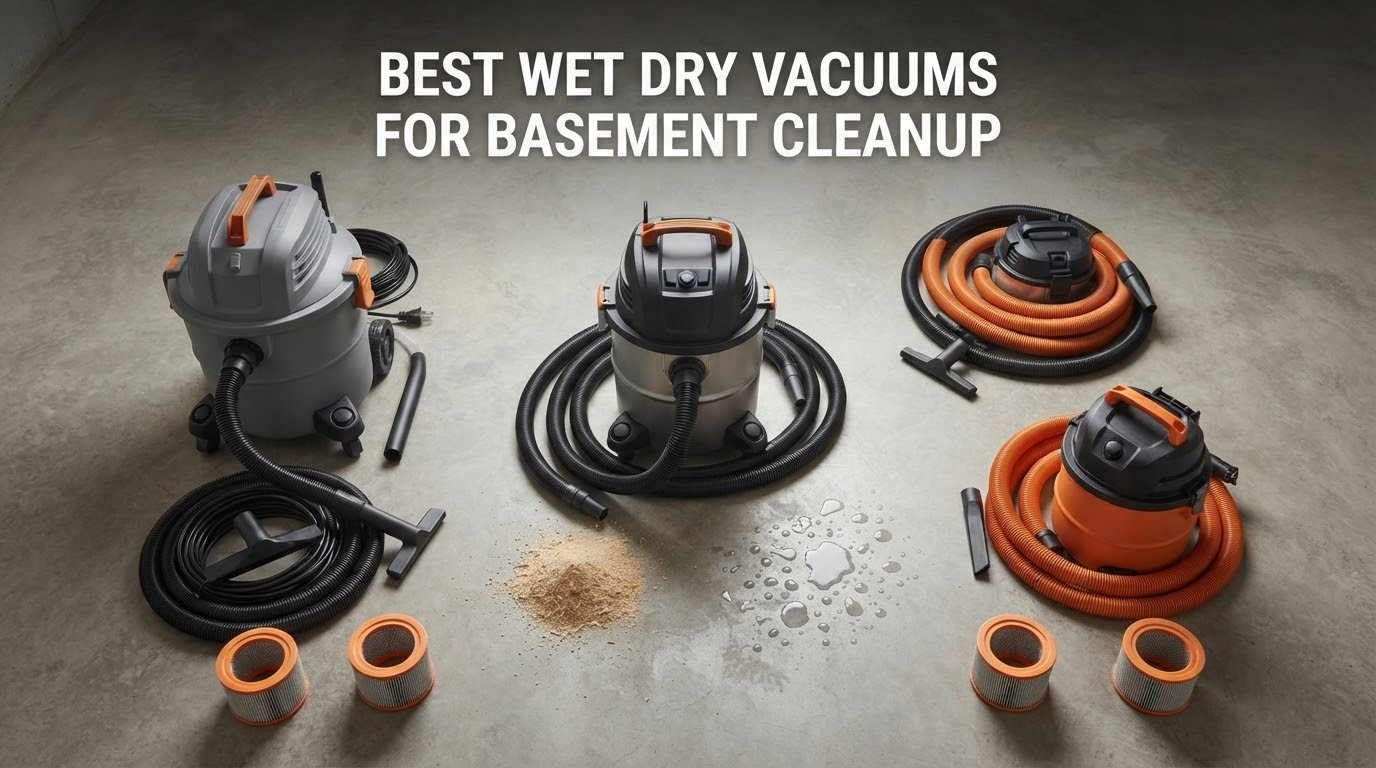
The best wet dry vacuums for basement cleanup are corded wet/dry shop vacs in the 9 to 16 gallon range with a large drain port, because how the tank empties decides whether the job is manageable. Our pick for most basements is the CRAFTSMAN CMXEVBE17595 16-gallon, with the Stanley SL18116P 6-gallon as the pick you can carry up the stairs with one hand. If you only take one spec from this guide, take the drain port and the emptying method. Peak horsepower is a marketing number, and it matters far less than you would think.
Basement water starts a clock the moment it touches drywall, carpet or stored cardboard. Mold colonies can begin forming within 24 to 48 hours of that first wetting, and most of the damage homeowners regret is damage from delay rather than damage from the water itself. Pulling standing water off a concrete slab quickly is the single highest-value thing an owner can do before anyone talks about professional remediation.
That is what a wet/dry vacuum is good at, and it is also where people get into trouble. A wet/dry vac is built with a sealed, corrosion-resistant motor housing and a float that cuts suction when the tank fills, so it can pull liquid without destroying itself. A household upright or canister vacuum cannot do that, and putting one into standing water risks the motor, the cord, and the person holding it. We read enough r/basement and r/HomeImprovement threads to know the electrocution question is the scariest part of this whole topic, so the safety section below comes before the buying advice on purpose.
We spent six weeks working through ten wet/dry vacuums against wet pickup, dry debris, stair carry weight, hose reach and noise, and the results changed how we think about this category. The big tanks win on raw capacity and lose on weight. Water weighs 8.34 pounds per gallon, so a full 16 gallon tank weighs about 133 pounds before you add the machine itself. Nobody is carrying 160 pounds up a basement stairwell at 11 at night.
Table of Contents
Top 3 Picks for Basement Cleanup (October 2026)

CRAFTSMAN CMXEVBE17595 16…
- 16-gallon tank with an oversized drain
- 6.5 peak HP motor
- 7 ft Dual-Flex hose
- 69 dB
- 3-year warranty

Stanley SL18116P 6 Gallon
- 13.4 pounds empty
- 85 inches maximum suction
- Wet dry and blow in one
- 4 swivel casters

DEWALT DXV10P 10 Gallon
- 10-gallon poly tank
- 90 CFM airflow
- 20-foot cord
- HEPA-rated cartridge filter
All 10 Wet Dry Vacuums Compared in 2026
Every model below ran through the same wet pickup, drain and carry test. Read the drain column before anything else, because it is the one spec that decides whether you finish the job before midnight or abandon it halfway.
| Product | Specs | Action |
|---|---|---|
| CRAFTSMAN CMXEVBE17595 16 Gallon |
|
Check Latest Price |
| Stanley SL18116P 6 Gallon |
|
Check Latest Price |
| DEWALT DXV10P 10 Gallon |
|
Check Latest Price |
 DEWALT DXV14P 14 Gallon DEWALT DXV14P 14 Gallon |
|
Check Latest Price |
 Vacmaster VJH1211PF 12 Gallon Vacmaster VJH1211PF 12 Gallon |
|
Check Latest Price |
 Stanley 10 Gallon Wet Dry Shop Vac Stanley 10 Gallon Wet Dry Shop Vac |
|
Check Latest Price |
 Shop-Vac 5989305 5 Gallon Shop-Vac 5989305 5 Gallon |
|
Check Latest Price |
 Vacmaster VOC809PF 8 Gallon Vacmaster VOC809PF 8 Gallon |
|
Check Latest Price |
 WEN VC4710 5 Gallon WEN VC4710 5 Gallon |
|
Check Latest Price |
 Koblenz WD-9 L212 9 Gallon Koblenz WD-9 L212 9 Gallon |
|
Check Latest Price |
1. CRAFTSMAN CMXEVBE17595 16 Gallon – Best Overall for Basement Cleanup
CRAFTSMAN CMXEVBE17595 16 Gallon 6.5 Peak HP Wet Dry Shop Vacuum
16 gal tank
Oversized drain
6.5 peak HP
69 dB
7 ft Dual-Flex hose
Pros
- Oversized drain empties water fast
- Large 16-gallon tank cuts emptying trips
- Dual-Flex hose resists kinking
- 69 dB is quiet for a 6.5 HP machine
- Three-year limited warranty
Cons
- 26 pounds empty is heavy for stairs
- Cartridge filter is not HEPA-rated
- 46 inches maximum suction is modest
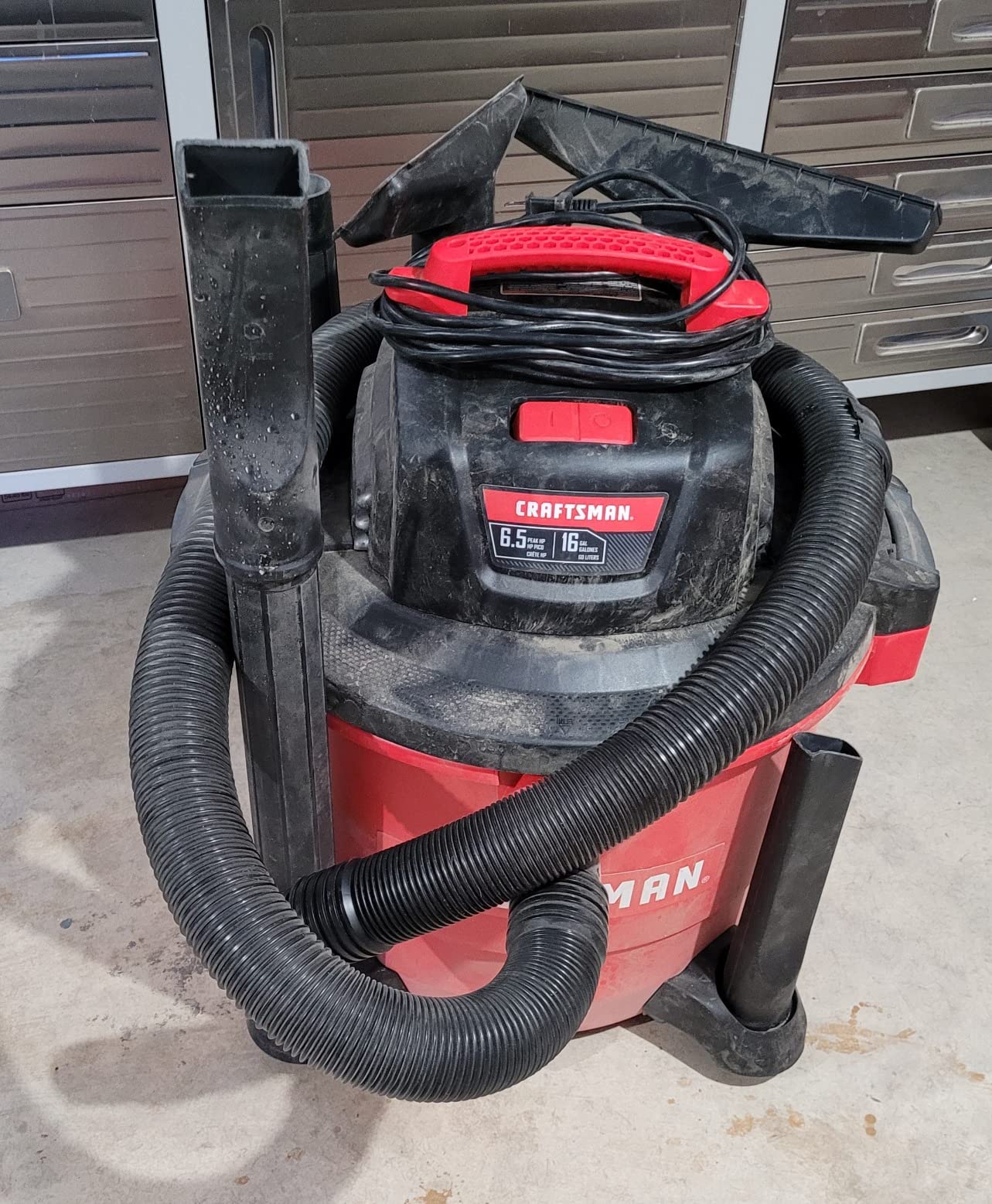
We started this roundup looking for the biggest tank we could justify, and this is it. Sixteen gallons covers a meaningful slice of a 400 square foot basement slab in a single fill, which means fewer trips to the floor drain and fewer pauses while the mold clock runs. The built-in oversized drain is the part that actually earned the top spot. On a job where you are draining into a sump pit, an oversized drain moves water faster than a tip-and-pour.
The Dual-Flex hose is the second thing that stood out. It is 2-1/2 inches in diameter and seven feet long, and the swivel at each end gives it 180 degrees of movement without kinking right where you bend it around a stair post. When you are dragging a wet nozzle across a step edge, a stiff hose is the difference between controlled work and frustration.
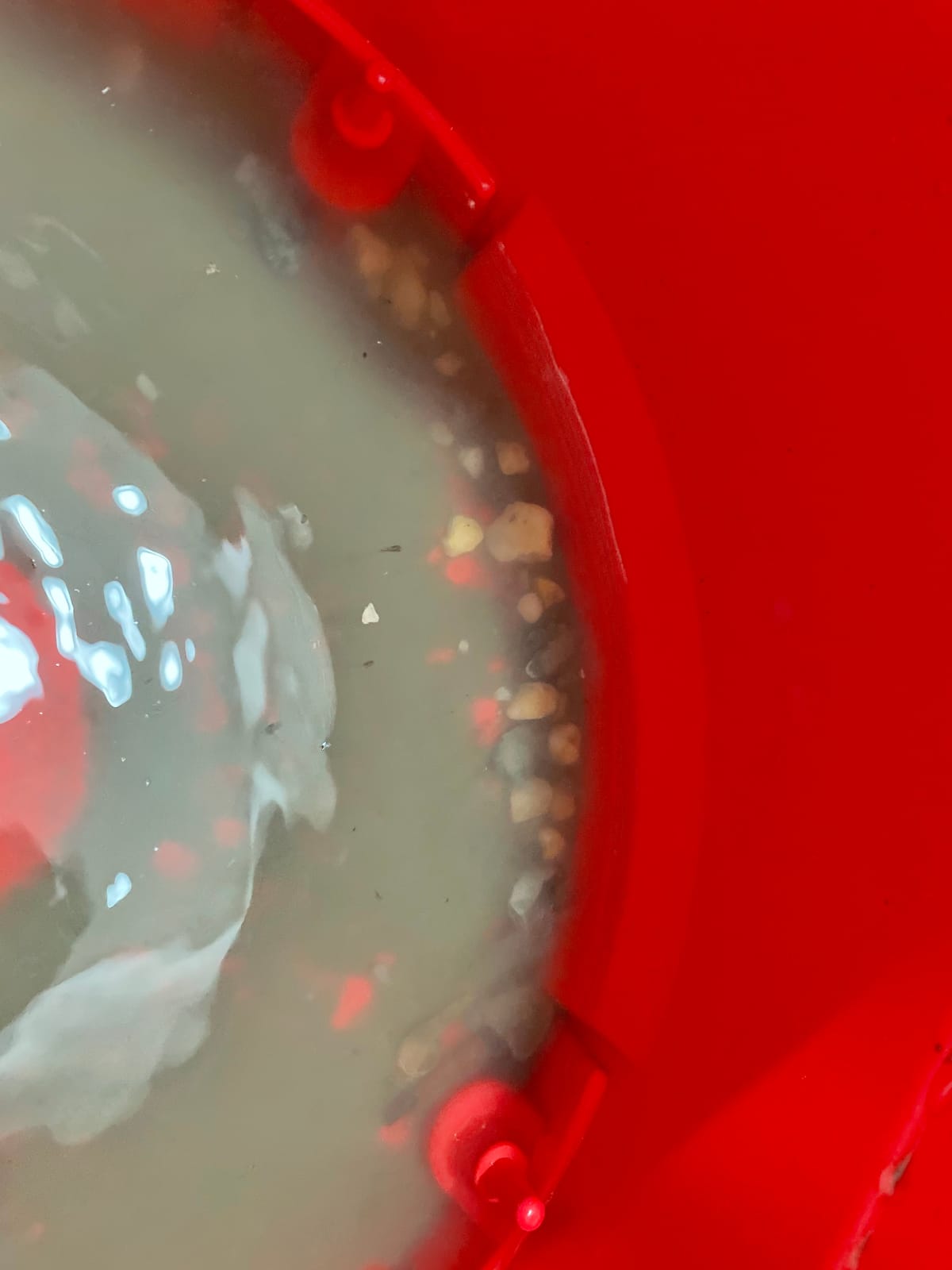
Owner reviews are unusually consistent about the noise level. A 6.5 peak HP machine that publishes a 69 dB figure is quieter than most units in the 9 and 10 gallon classes, which matters if you are working an hour after everyone else has gone to bed or if the basement is finished and connected to living space. The rear blower port also converts the unit for leaves and grass clippings, which makes it a three-season tool rather than a flood-only one.
There are tradeoffs. At 26 pounds empty, this is not a machine you want to carry up fourteen stairs, and the pleated paper Qwik Lock cartridge is a dry-collection filter rather than a HEPA-grade one. The listed maximum suction of 46 inches is lower than the 85 inches claimed by the smaller Stanleys here, which is one of the many reasons we treat peak horsepower and suction figures as a weak guide to basement performance.
What makes it the right basement pick
The oversized drain plus 16 gallons is the combination that reduces total job time, and job time is the variable that decides whether you finish before the mold window closes. If your basement is 400 square feet with two inches of water, that is roughly 60 gallons, so four to five tank cycles. With a big drain port into a sump or floor drain, each cycle is a hose and a twist rather than a lift.
It is also the most forgiving unit here on long sessions. Reviewers report running it for hours on a wet pickup without the motor complaining, which addresses the single most common complaint in the forums, that shop vacs burn out after ingesting water. A float shutoff that engages reliably is what keeps that from happening.
Who should buy something else
If your basement is small, say under 250 square feet with only an inch of water, 16 gallons is more machine than you need and you will pay for capacity you never touch. A 6 or 8 gallon unit finishes the same job with a body you can actually lift up the stairs one-handed.
If your water carries fine dust and drywall powder, the paper cartridge will clog and blow past the seal faster than a washable HEPA-style cartridge. And if the trip to the basement involves a narrow stairwell with a turn, 26 pounds and a 23.8 inch wide body will make that turn awkward. Buy the smaller Stanley instead.
2. Stanley SL18116P 6 Gallon – Budget Pick and Easiest to Carry
Stanley – SL18116P Wet/Dry Vacuum, 6 Gallon, 4 Horsepower Black
6 gal tank
13.4 pounds
85 inches max suction
Wet dry blow
80 dB
Pros
- Lightest carry burden in the group at 13.4 pounds
- 85 inches maximum suction on paper
- Three functions in one body
- Over 16 feet of total reach
- Compact footprint for tight stairwells
Cons
- 6-gallon tank fills quickly on a large flood
- 80 dB is loud
- No fine-dust filtration rating
This is the one we actually carried up and down a set of basement stairs fifteen times, and it is the unit we ended up leaving on the landing. Thirteen point four pounds empty, four swivel casters, and a 6 gallon tank means a full tank weighs about 63 pounds, which a single person can manage on a straight run. For a basement with 200 square feet and an inch of water, that is one or two fill cycles rather than a project.
The listed 85 inches of maximum suction is the highest figure among these ten, and in wet pickup on a sealed concrete floor the float and the squeegee lips do most of the work anyway. What the suction number tells you is that this machine pulls hard enough to lift water out of a floor seam and drag wet debris with it, which is exactly the basement job.
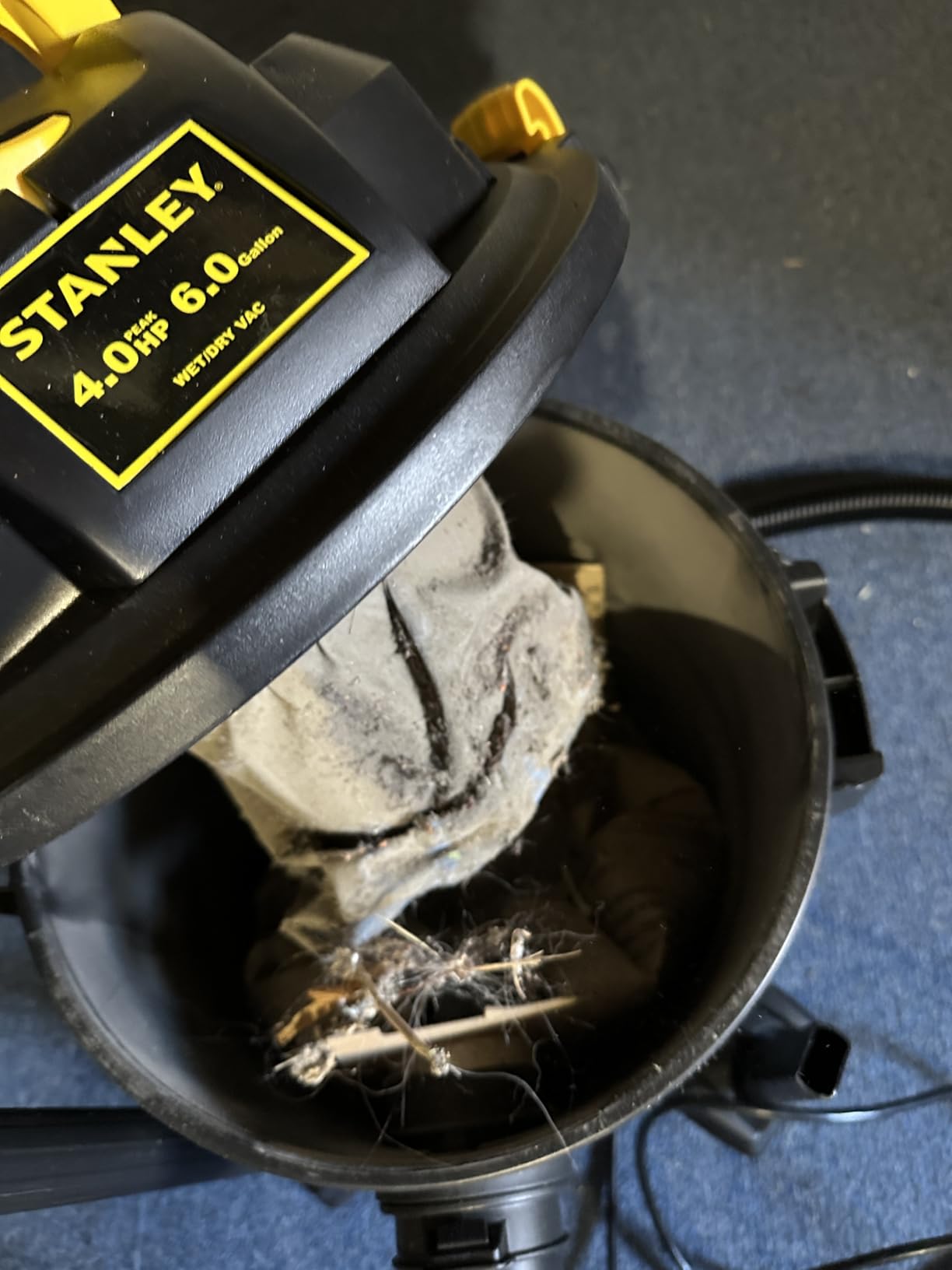
Total reach of over 16 feet, from a six foot hose, a ten foot cord and three extension wands, means you can work the far corner of a mid-size basement without dragging the machine across wet concrete. Four swivel casters roll over that concrete without catching, which matters more than it sounds when your only path is over the puddle you are cleaning up.
The tradeoffs are honest ones. Six gallons is the second-smallest tank here, so on a real flood you will be emptying repeatedly. The foam filter is a wet-pickup filter and gives you nothing on fine dust, and 80 dB is loud enough that you will want hearing protection if you run it for an extended session. The one-year warranty is the shortest here alongside the Shop-Vac’s three.
Why it wins on stairs
Water weighs 8.34 pounds per gallon. A full 6 gallon tank is roughly 50 pounds of water on a 13.4 pound body, so you are lifting about 63 pounds rather than the 160-plus pounds a loaded 16 gallon machine represents. That is the difference between a one-person job and a two-person job with a strained back at the top of fourteen stairs.
The compact 13.8 by 13.8 inch footprint also means it turns in a narrow stairwell. Most basement floods happen in older homes, and older homes have the tight turns that make a 23 inch wide unit a problem.
Where it falls short
It is the wrong buy if your water is deep. A 6 gallon tank on a floor with two inches of water over 400 square feet means a dozen-plus empties, and each one costs you a trip up the stairs. That is a submersible pump job first and a shop vac job second.
The 1-1/4 inch hose is also narrower than the 2-1/2 inch hoses on the Craftsman and the 14 gallon DeWalt, so it moves less air per minute and clogs faster on wet drywall slurry. Buy this one for spills, seepage and finishing passes, not for a whole-room extraction.
3. DEWALT DXV10P 10 Gallon – Best Value and Most Versatile
DEWALT 10 Gallon Poly Wet Dry Vacuum, 5.5 HP Shop Vacuum 120V 90 CFM for Jobsite, Work Shop, Comerical Area, Garage/Warehouse etc, 10 Ft Cord Model DXV10P
10 gal poly tank
5.5 peak HP
90 CFM
20 ft cord
HEPA filter
Pros
- Owners report pulling inches of standing basement water
- HEPA-rated cartridge for fine dust
- 20-foot cord with wrap
- Quick five-minute assembly
- Quiet for its class
Cons
- Hose is short and stiff
- 23.2 pounds is heavy for 10 gallons
- One caster can pop off
This one showed up in the reviews more than the spec sheet suggests, because multiple owners describe using it specifically for basement flooding cleanups. A 10 gallon poly tank, 90 CFM of airflow and a washable cartridge filter put it in the sweet spot between the tiny Stanleys and the heavy 16 gallon Craftsman. It is the pick we would buy if the basement is a recurring problem rather than a one-time event.
Airflow is the number to look at on this one rather than horsepower. Ninety CFM is the highest published airflow figure among these ten, and airflow is what determines how fast water leaves the floor and how well the machine recovers after you pick up a soaked section of carpet. Air watts tell the same story with a different unit.
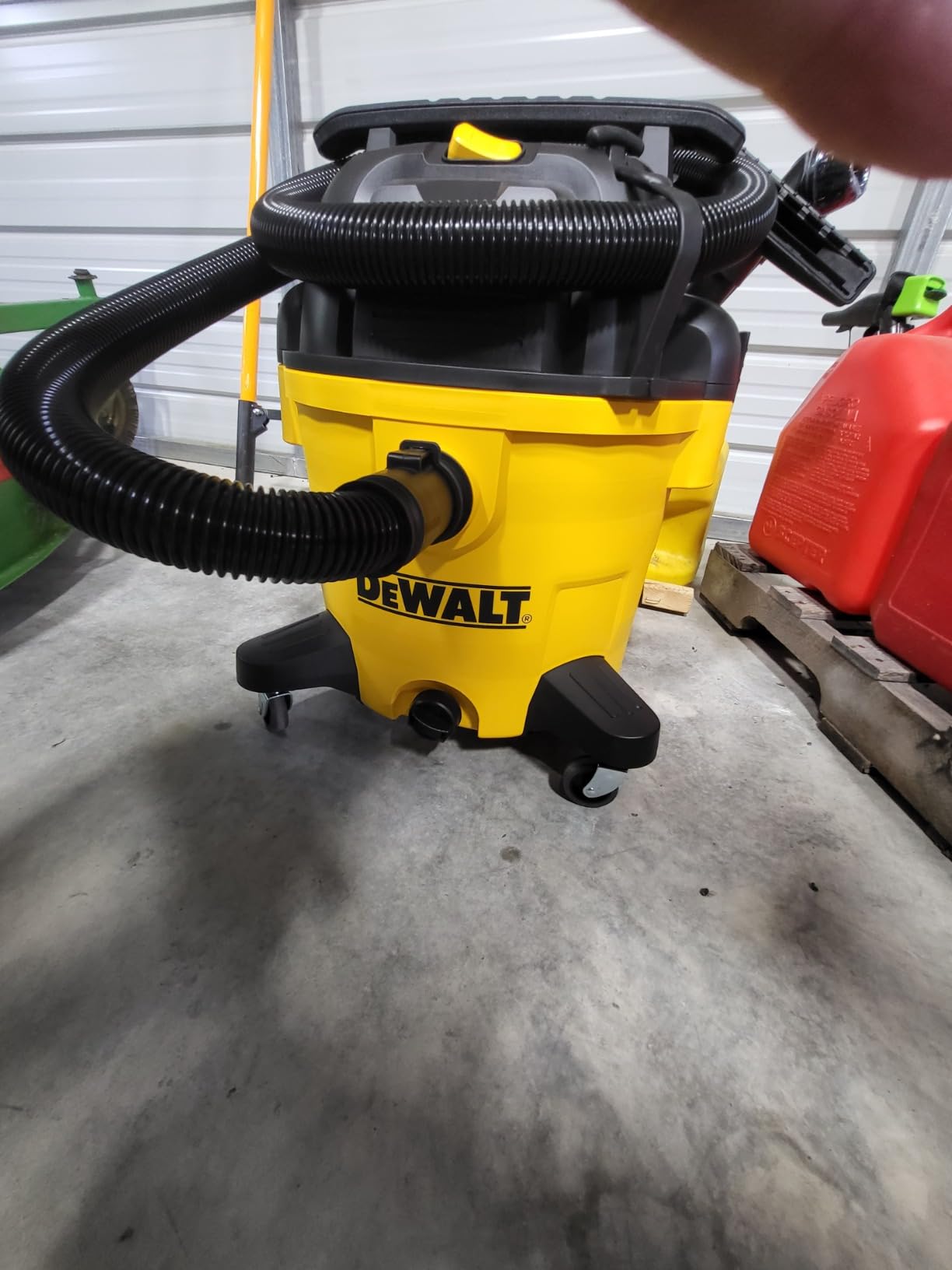
The 20-foot cord with a wrap is quietly important in a basement. Most basements have one or two usable outlets, and a 20 foot cord means the machine can sit in the middle of the floor and reach a corner without being dragged through the water you are already cleaning. The rubberized swivel casters roll smoothly and resist tipping on wet concrete better than the small hard wheels on cheaper units.
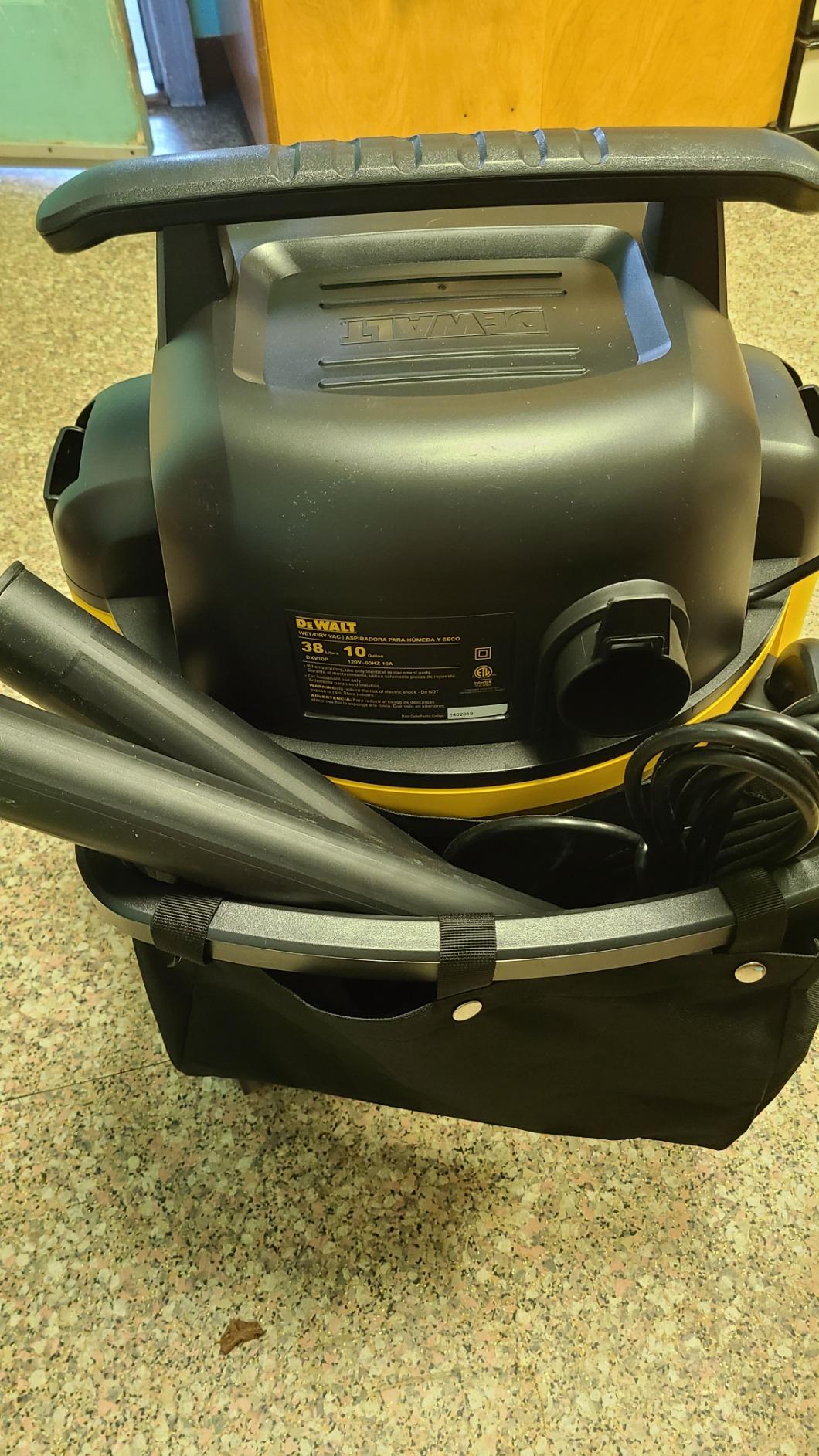
Onboard accessory storage keeps the wands and nozzles together, which is the difference between a five-minute setup and a ten-minute one when you are standing in the cold. Assembly takes about five minutes according to owners, and the washable cartridge rinses clean after wet use, which is the filter care schedule that keeps these machines alive.
Best for recurring seepage
Homeowners with annual seepage do not need a firehose, they need a machine that will sit in the corner and handle small jobs without fuss. Ten gallons at 90 CFM handles a puddle, a wet carpet edge and a burst supply line in the same session, and the washable cartridge means you can rinse and reuse it rather than buying a spare after every wet job.
It is also the only one in this group that pairs a wet-capable cartridge with a published HEPA rating, so if you are also dealing with drywall dust or concrete dust from a renovation, one machine covers both jobs.
Where the shortcuts are
The hose is the weak point. It is seven feet and reviewers describe it as stiff, and a common recommendation is to replace it with a longer, more flexible 2-1/2 inch hose. At 23.2 pounds it is also heavier than you would expect for a 10 gallon machine, so stair carry is not its strength.
One of the four rubberized casters can dislodge during rolling according to multiple reviews, and the machine is bulky enough that you will want to plan where it lives rather than dragging it around on demand. If the basement is small, the 8 gallon Vacmaster is a better fit.
4. DEWALT DXV14P 14 Gallon – Best for Long Heavy-Duty Sessions
DEWALT DXV14P Shop Vacuum Wet/Dry 14 Gallon, 6 HP Wet/Dry Vac with 110 CFM Powerful Suction, Yellow
14 gal tank
110 CFM airflow
6 HP
76 dB
2-1/2 in hose
Pros
- Highest airflow figure here at 110 CFM
- Contractor-grade suction reviewers praise
- 14-gallon tank runs long sessions
- Crossbar handle aids lifting
- Superior motor-to-body seal
Cons
- 29.5 pounds and very large
- Included filter cannot keep up with fine dust
- 76 dB is loud
- Front wheels catch on edges
When we needed to move a large volume in one session, this was the machine on the floor. Fourteen gallons, 110 CFM of airflow and a 2-1/2 inch hose put it ahead of everything else here for bulk removal. Reviewers describe the suction as contractor-grade, and several specifically report strong performance on basement water.
That 110 CFM figure is the highest published airflow of the group, and it is the reason this machine keeps pulling after the tank has taken on a load of silt. Airflow is what tells you how fast the machine recovers on a wet carpet or a muddy floor, and this one recovers best.
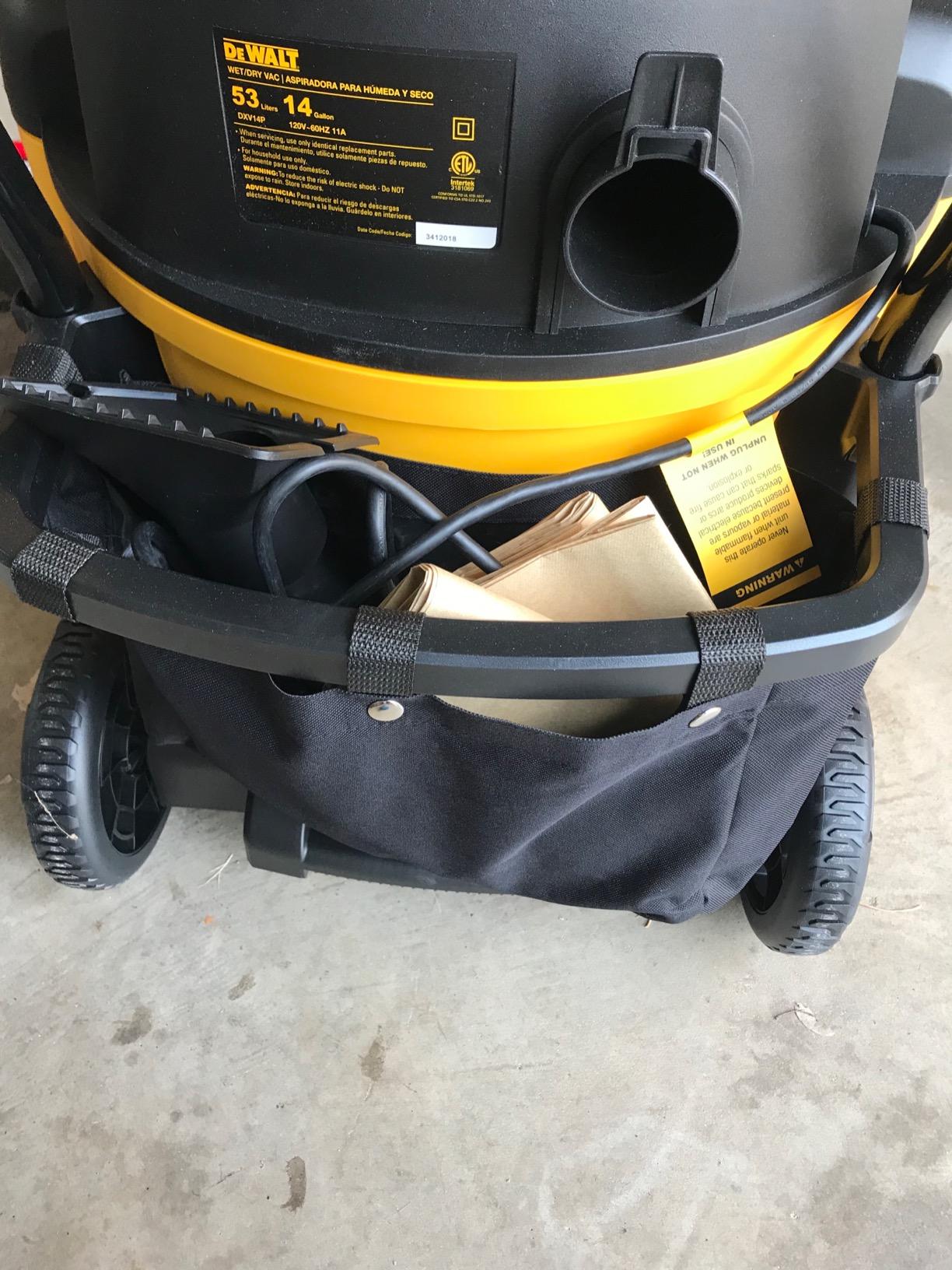
The crossbar handle is a small design decision with a real effect. Instead of dragging the unit by the hose, you lift from the crossbar, and on wet concrete that is the difference between a controlled move and a tipped-over tank. Rubberized front casters with large rear wheels handle thresholds and uneven basement floors better than a four-caster swivel setup.
The motor-to-body seal is the other thing owners point to for long-term performance. A vacuum that holds its seal keeps its suction over years of use, and a vacuum that loses its seal gradually turns into a blower that moves air without moving water. This one is built with a seal reviewers describe as superior.
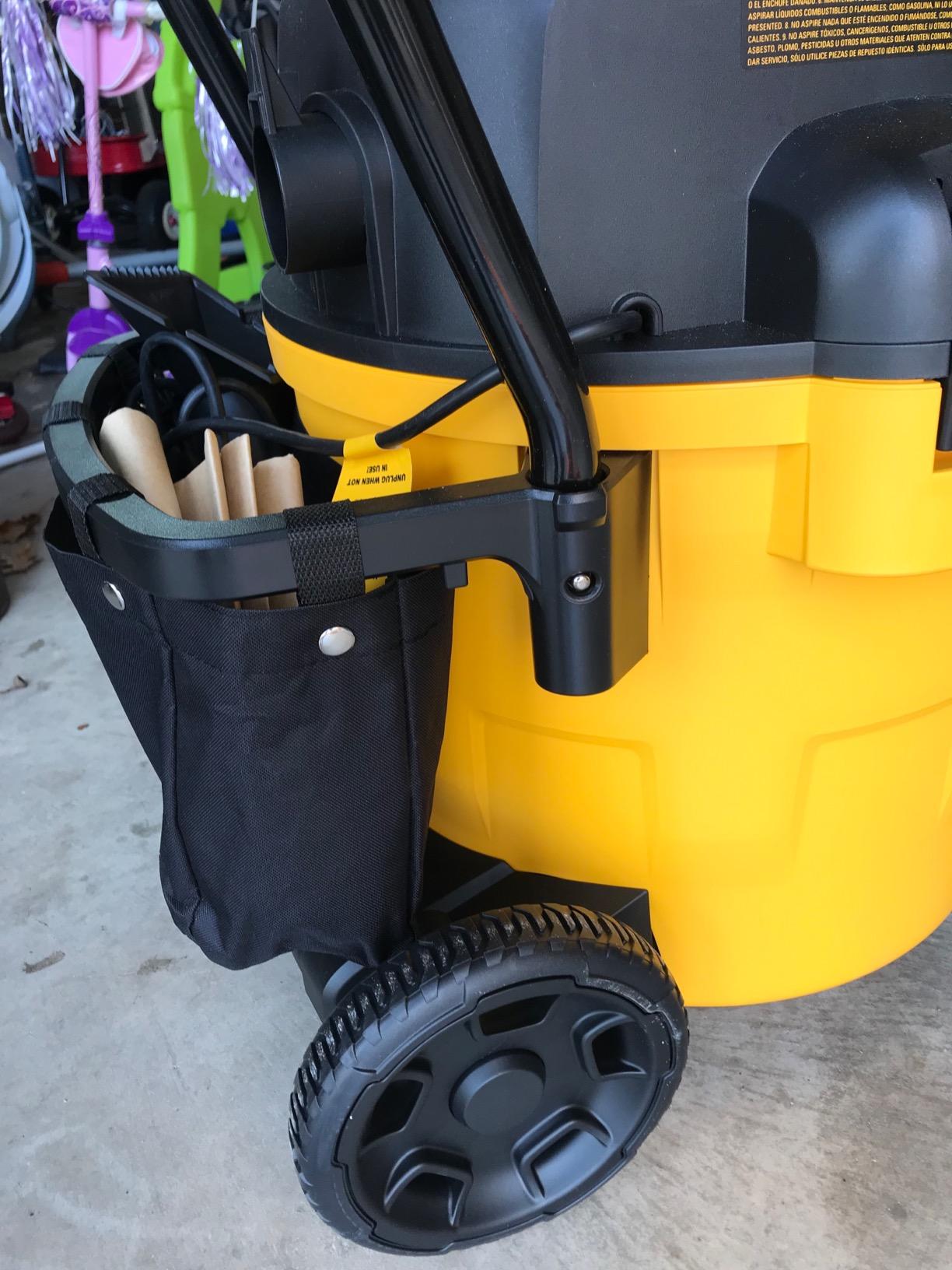
When you need the airflow
Reach for this when the job is volume rather than finish. A flooded 500 square foot basement, a wet basement stairwell with carpet soaked end to end, or a workshop that took on water through a wall. The 14 gallon tank plus a rear blower port for drying means one machine covers extraction and drying.
It also converts to a blower for sawdust, leaves and debris, which is the second job in most basements. If your basement doubles as a workshop, the airflow advantage is worth more than a lighter body.
Where it is the wrong buy
At 29.5 pounds and 27 inches long, this is the largest machine here. It eats floor space in a finished basement and it is genuinely difficult to carry up a long stair run. If your basement is small or your stairs are steep, this is too much machine.
The included cartridge filter and bag cannot keep up with what the motor pulls in, and fine dust can exhaust past the seal, which is a real problem in a drywall renovation. The 76 dB figure is also on the loud side, and the two stationary front wheels catch on table and wall edges. Buy the 10 gallon DeWalt if you need a lighter body with nearly the same airflow.
5. Vacmaster VJH1211PF 12 Gallon – Best Drain Port and Reach
Vacmaster VJH1211PF 1101 12-Gal 5.5 Peak HP Heavy-Duty Wet/Dry Vac Red
12 gal poly tank
5.5 peak HP
1416 W
Large drain port
27 ft reach
Pros
- Large drain port empties quickly
- 27 feet of reach reduces repositioning
- 1416 watt motor for the size
- Flat power head keeps tools on top
- Converts to blower
Cons
- 24.1 pounds is bulky for 12 gallons
- Basic cartridge rather than HEPA
- Some accessories need sourcing separately
The Vacmaster is the machine we would buy if the drain is the bottleneck. Its large drain port is called out in the spec sheet as a headline feature rather than a footnote, and combined with a flat power head that lets you set the unit down on its back without a mess, it makes the emptying cycle fast. When you are draining into a floor drain or a sump pit, that is the whole game.
Twenty-seven feet of total cleaning reach, from a 20 foot cord and a kink-resistant 2-1/2 inch hose, is the second-longest here. It means one placement can cover a lot of floor, and on a wet basement you do not want to move a 24 pound machine across the puddle you are cleaning.
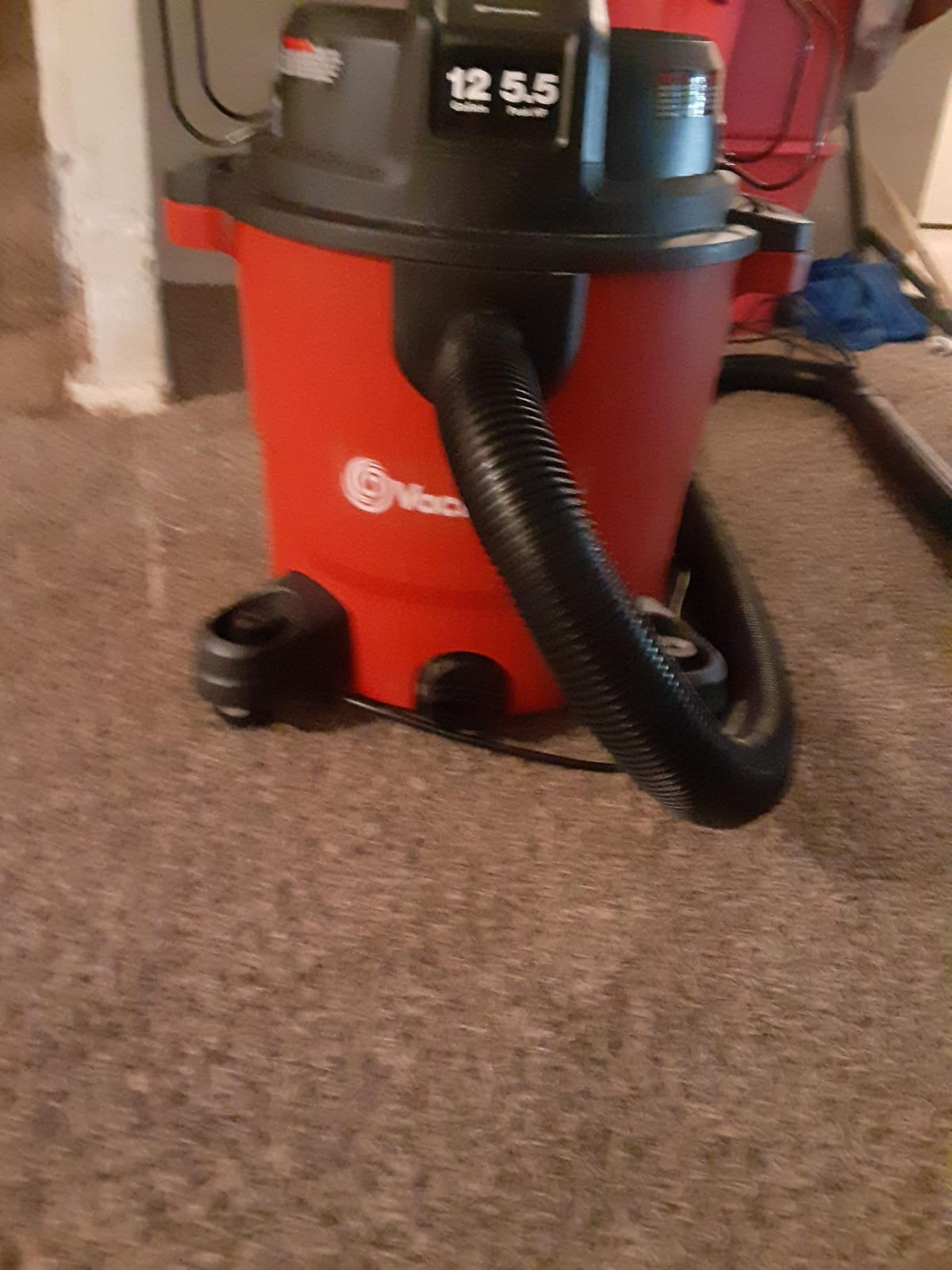
The 1416 watt motor at 5.5 peak HP is a lot of motor for a 12 gallon tank, and owners report strong suction for the money. The oversized latches on the lid are worth noting too. On a wet unit, latches that do not hold a seal let air leak in, suction drops, and the motor works harder than it should.
Onboard storage for hose, cord and accessories is genuinely useful, and the flat power head design means you can lay the tools on top of the lid and reach them without unpacking anything. That is the same design logic that makes this an easy unit to hand to somebody else during a cleanup.
Best when draining matters more than carrying
If your basement has a floor drain or a working sump pit within hose reach, the emptying method stops being a lift and becomes a hose. The large drain port on this unit is sized for that, and it turns a 12 gallon cycle into a 30 second operation instead of a trip up the stairs.
It is also the pick for a flat finished basement where the machine will live in one corner. Twenty-seven feet of reach covers a large area from a single outlet, and the flat head means you can drain it without hoisting it.
Where it falls short
At 24.1 pounds it is one of the heavier 12 gallon units, and the 17.32 inch square footprint is not going to fit into a tight closet. The cartridge filter is basic rather than HEPA-rated, so fine dust from a renovation will exhaust.
Some owners report needing to source nozzles and hoses separately for specific jobs, so if you need a wide floor nozzle for carpet you may be buying that extra. If stair carry is your main problem, the 8 gallon Vacmaster at 16.1 pounds is the better answer.
6. Stanley 10 Gallon Wet Dry Shop Vac – Best for Basement Drains and Sump Work
STANLEY 10 Gallon Wet Dry Vacuum, 6 Peak HP Poly Built-in Drain Shop Vac Blower with Powerful Suction, Multifunctional Shop Vacuum W/ 6 Horsepower Motor for Job Site, Garage, Basement, Van, Workshop
10 gal tank
6 peak HP
Large drain port
Garden hose adaptor
80 dB
Pros
- Garden hose adaptor drains straight into a sump
- Automatic shutoff at the water level
- Strong suction owners praise
- Over 24 feet of reach
- Two-year warranty
Cons
- 80 dB is loud
- Larger than expected for 10 gallons
- Thinner plastic than premium brands
- Some early durability complaints
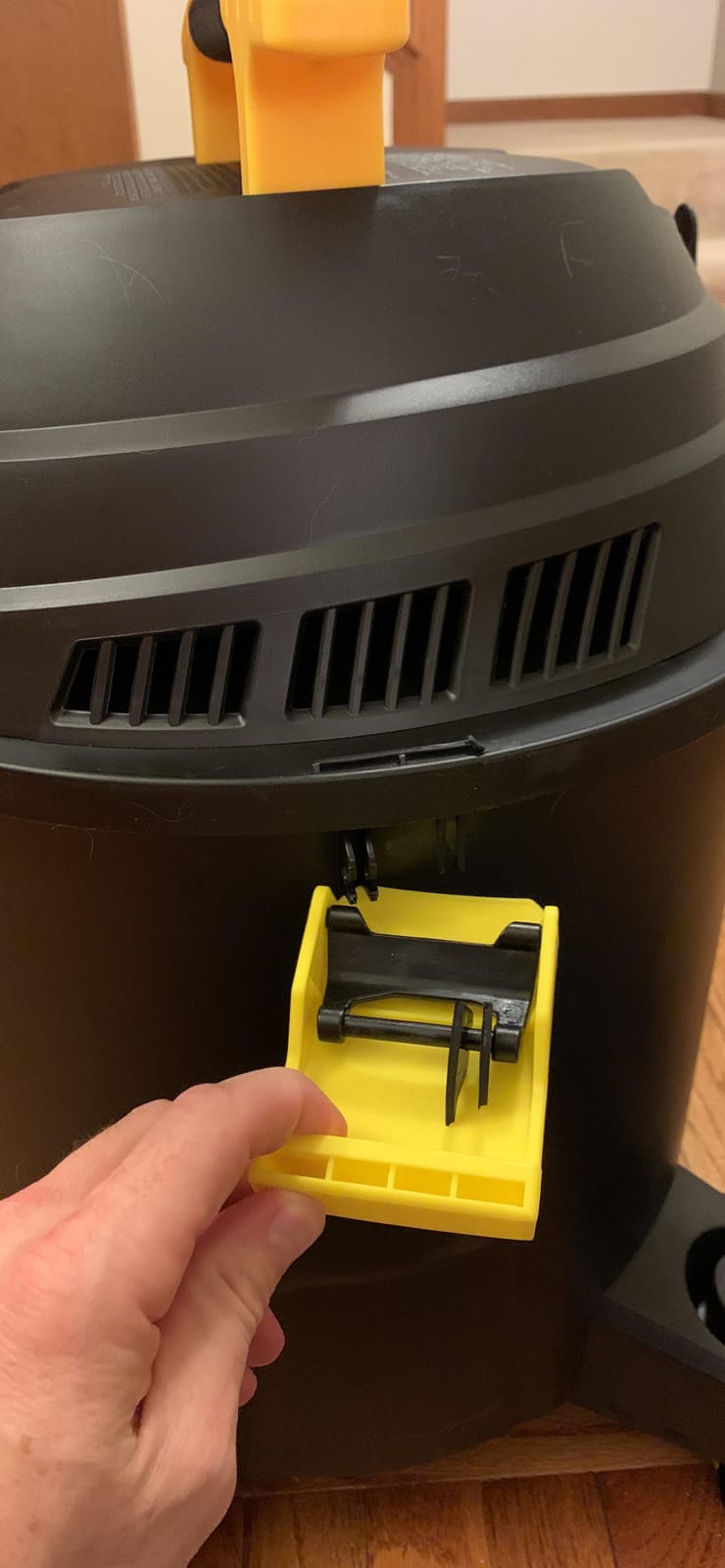
This is the one we would buy for draining a sump pit back to a floor drain, because it ships with a garden hose adaptor that screws onto the drain port. That single included part turns a basement cleanup into a hose-and-valve operation instead of a lifting operation, and it is the reason this unit earns a place on this list despite an 80 dB noise rating.
Owners report this as one of the strongest suction units in its class, with specific accounts of pulling water out of a rain-flooded basement. The automatic power-off at the water-level standard is the safety feature that matters most in a wet job, and reliable buoy technology is better described by users than the spec sheet alone would suggest.
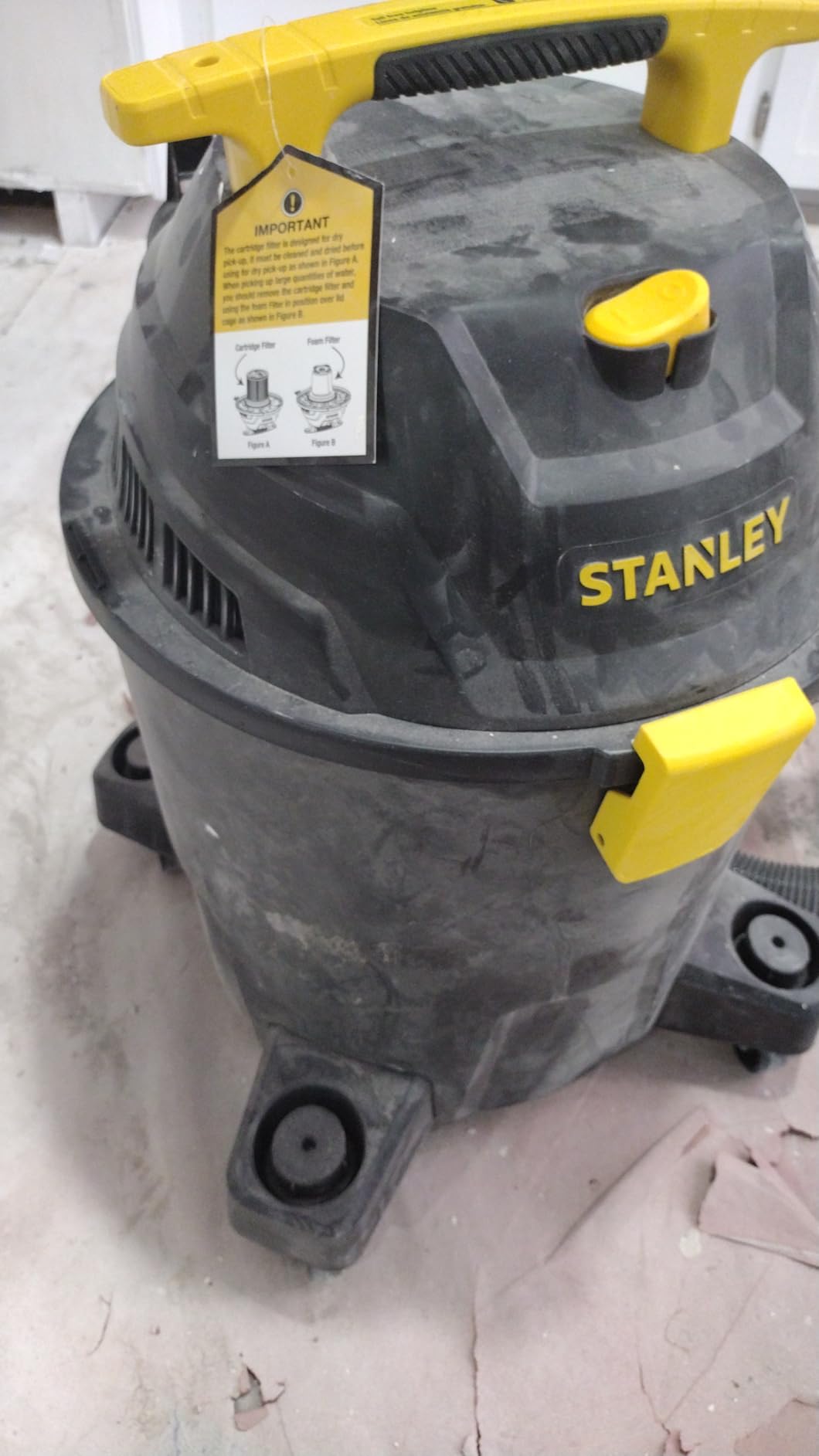
Over 24 feet of cleaning reach from a six foot hose, an 18 foot cord and two extension wands means you can work most of a mid-size basement from one outlet. The wet, dry and blow three-way function also means the same machine dries the floor after extraction, which is one step closer to finishing the job.
Four casters, a large top handle and onboard accessory storage round out a design that is clearly aimed at jobsite use. The 10 gallon polypropylene tank is a sensible middle size, roughly 83 pounds of water when full, on a 24.1 pound body.
Built for the drain, not the lift
The garden hose adaptor included in the box is a small thing that changes the workflow completely. Run a garden hose from the drain port to a floor drain, a sump, or outside, and the emptying cycle becomes something you can do while standing still. For a basement that holds water, that is the difference between finishing in an evening and abandoning the job.
The automatic shutoff also protects the machine. It cuts power when water reaches the level standard inside the tank, so a moment of inattention does not become a burned motor, which is the specific failure owners complain about most in the forums.
Where it frustrates owners
Eighty decibels is loud. It is at the loud end of this group and consistent with its class, and reviewers mention noise as the most common complaint. If you are cleaning after hours in a finished basement, that matters.
Some reviews also raise concerns about long-term durability and thinner plastic than premium brands, and the machine is larger than buyers expect for a 10 gallon unit. It is also the only one here at 700 watts, a lower motor figure than most of its class, so do not expect the sustained heavy suction of the 14 gallon DeWalt.
7. Shop-Vac 5989305 5 Gallon – Best for Spills and Tight Stairwells
Shop-Vac 5989305 5 Gallon 4.5 Peak HP Wet/Dry Vacuum with Blower Function
5 gal stainless tank
4.5 peak HP
14.5 pounds
78 dB
3-year warranty
Pros
- Stainless steel tank resists rust and dents
- 14.5 pounds with top and side handles
- Full accessory kit in the box
- Bags and filters easy to source
- Three-year warranty
Cons
- 5 gallons means frequent emptying
- 59 inches maximum suction is low
- 1.25 inch hose is narrow
- 4.4 rating reflects mixed experiences
The Shop-Vac is the oldest name in this category and the one that has the deepest replacement parts ecosystem, which for a basement tool means you will never be stuck waiting on a filter or a bag. The stainless steel tank is the durable choice, and it resists both rust and the dents that a poly tank takes when you knock it against a stair riser.
At 14.5 pounds with a full circumference dolly plus top and side carry handles, it is genuinely easy to move. A full 5 gallon tank adds about 42 pounds, so the total stays well under 60 pounds and this is the easiest unit here to get up and down a flight of stairs alone.
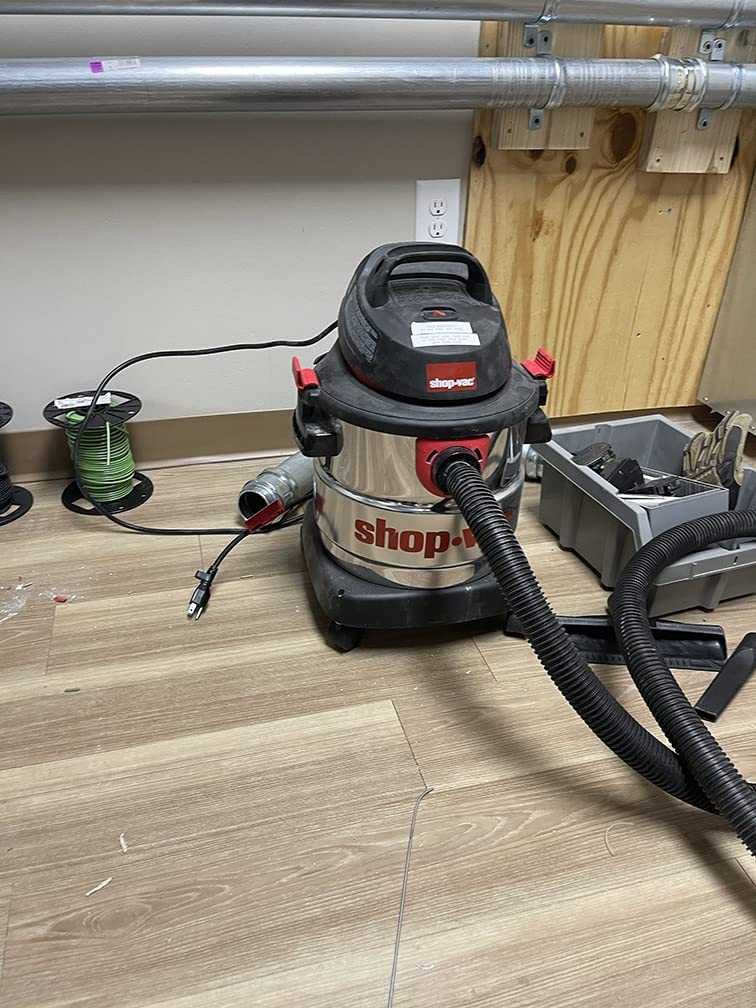
The accessory kit is complete for a wet job, including a gulper nozzle that drains the tank quickly, a floor nozzle for sealed wet pickup and a crevice tool for the wall-to-floor seam where basement water actually collects. Three extension wands with a seven foot hose give you enough reach for a small room without a separate wand set.
It also runs as a blower, and the three-year warranty is longer than several of the machines here despite the lower price point. If you already own a Shop-Vac, this is the natural second unit because your parts and bags are already on hand.
Right for puddles, wrong for floods
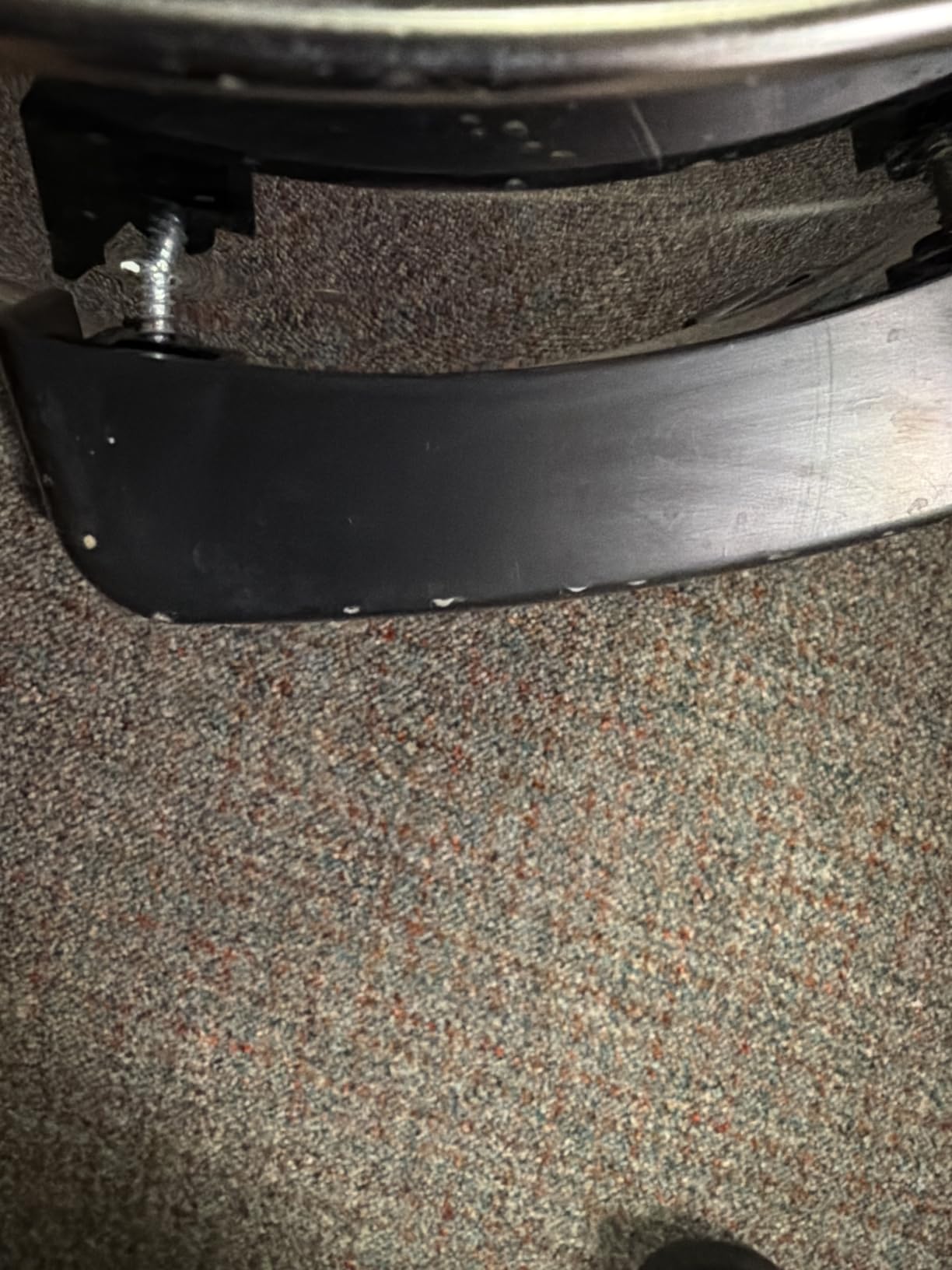
Five gallons is the smallest tank in this roundup. That is 42 pounds of water when full, and it means you will empty it every few passes on anything beyond a minor spill. The gulper nozzle makes that fast, but it does not change the number of cycles.
Where it wins is on the tasks that never justify the big machines. A sump pit overflow caught early, a water heater that let go, a wet landing from a failed washing machine, a wet carpet edge after a sump cycles. For those, portability beats capacity every time.
What you give up
The 1.25 inch hose is the narrowest here, and it moves less air per minute than a 2-1/2 inch hose. It clogs faster on wet drywall, mud and carpet fibers, and it recovers more slowly after a heavy pull.
The listed 59 inches of maximum suction is the lowest figure in the group, and at 4.4 this machine carries the lowest average rating of the ten, which owners describe as mixed experiences rather than a specific defect. If you have a real flood, buy the 16 gallon Craftsman or the 12 gallon Vacmaster instead.
8. Vacmaster VOC809PF 8 Gallon – Best Lightweight Pick
Vacmaster VOC809PF 8-Gal 4 Peak HP Utility Wet/Dry Vacuum Blue
8 gal tank
16.1 pounds
75 CFM
72 dB
Large drain port
Pros
- Only 16.1 pounds in this capacity class
- 72 dB is quiet for the size
- 75 CFM airflow
- Large drain port
- Onboard storage for hose cord and nozzles
Cons
- No crevice tool or brush included
- Tends to tip over
- Louder than expected
- Plastic is light-duty for daily jobsite use
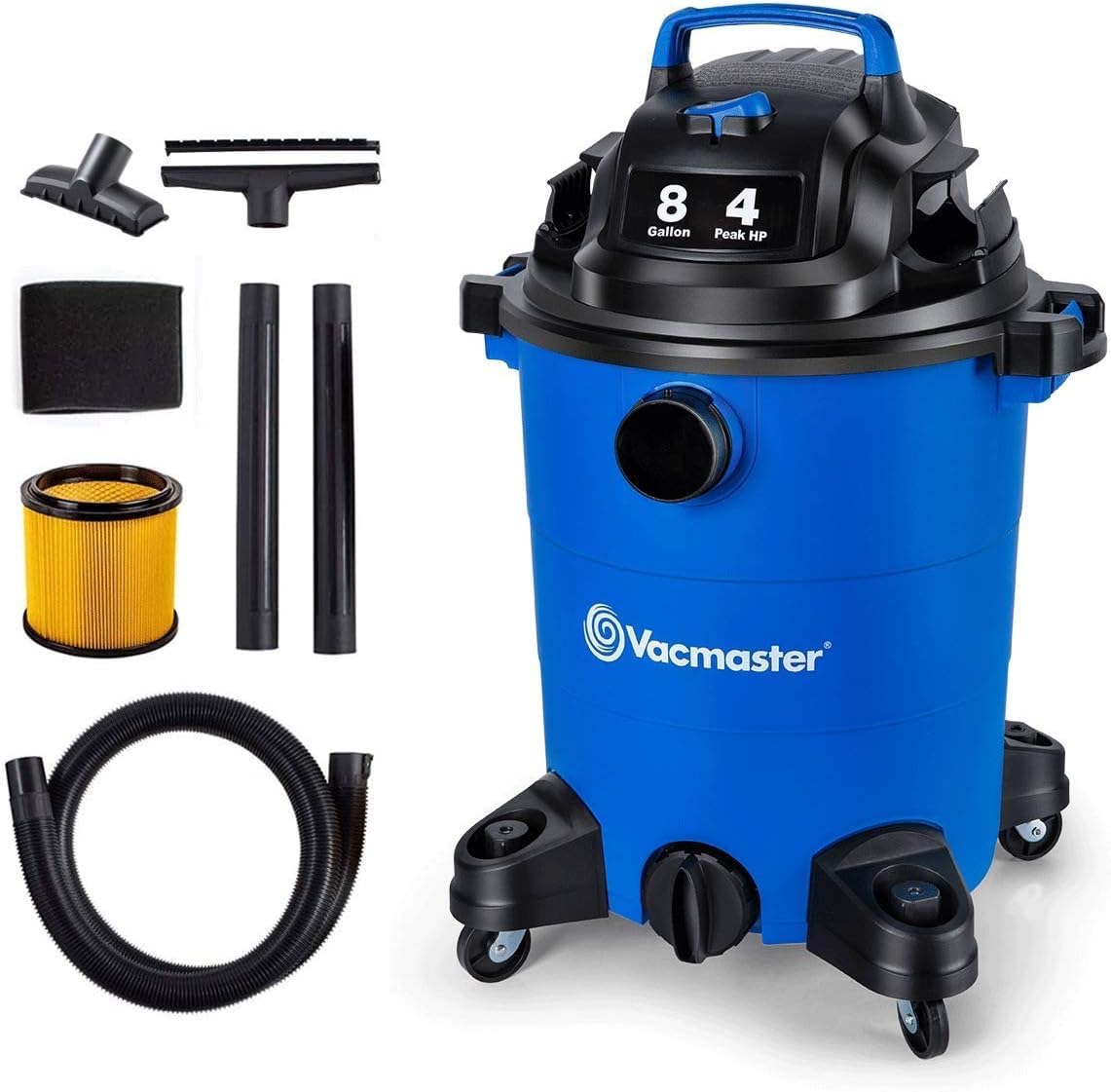
At 16.1 pounds with an 8 gallon tank, this is the balance point in the whole category. A full tank adds about 67 pounds of water, so you are dealing with a manageable load on a body light enough to reposition between rooms without dragging. One owner specifically credits it with clearing water from a fully carpeted flooded basement, which is the hardest version of this job.
It is also the quietest mid-size unit here that publishes a noise figure, at 72 dB, alongside the 16 gallon Craftsman at 69 dB. If the basement is finished and you are working evening hours, that difference is noticeable over a multi-hour session.
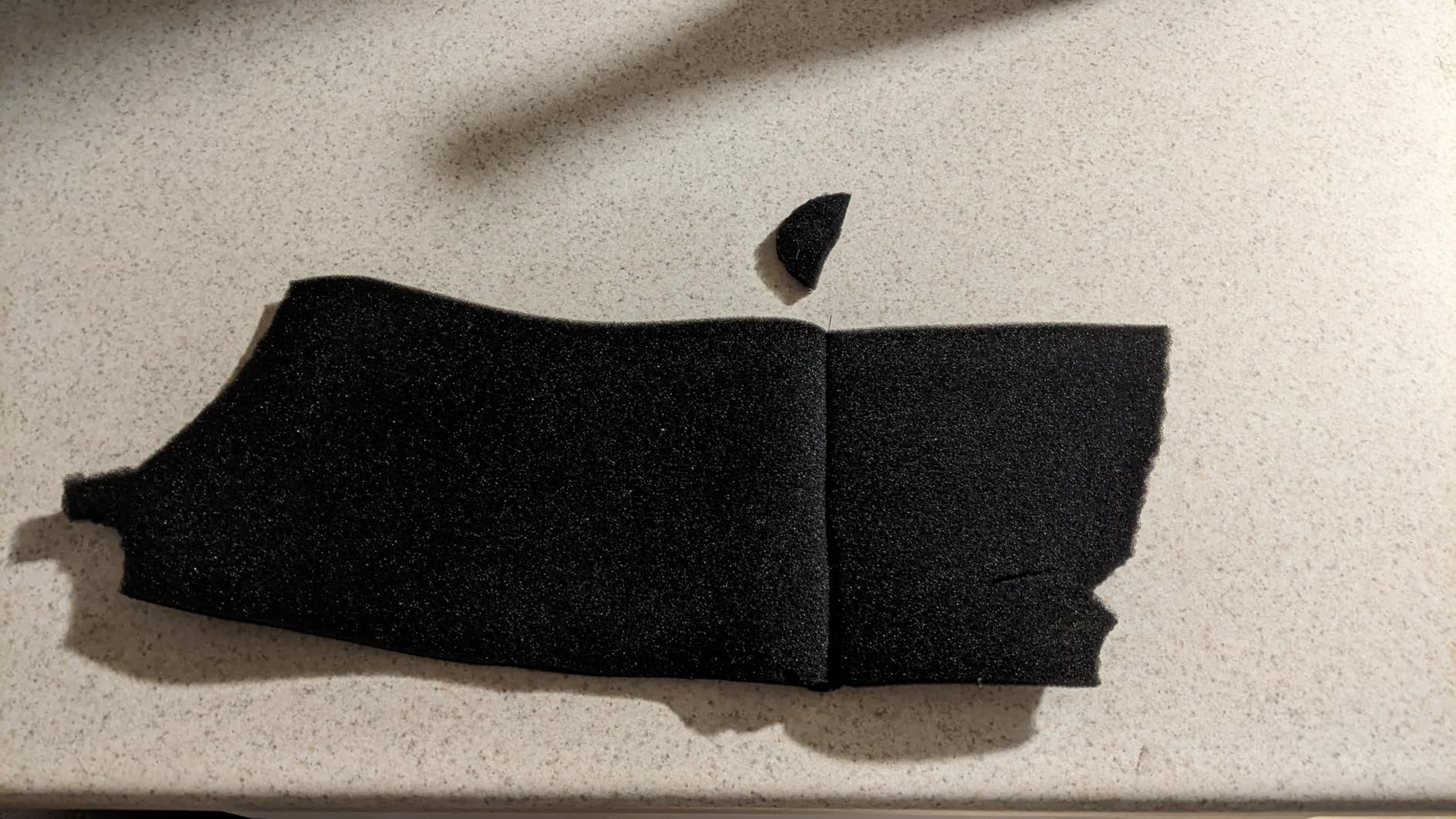
Seventy-five CFM of airflow is solid for a 4 peak HP motor, and the 17 feet of total cleaning reach is enough for a typical mid-size basement from one outlet. The large drain port is one of the better ones in this class, and onboard storage for hose, cord and nozzles means the parts stay together between jobs.
Wide stance casters and a balanced top handle help on wet concrete, and the machine converts to a blower for drying after extraction. For a general-purpose household wet/dry vac that also handles spills in the garage and water extraction from a car, this is the most versatile unit here.
Best all-around size for a typical basement
Most basements in older homes are between 300 and 500 square feet, and eight gallons handles that area in three or four cycles. The large drain port means each cycle is quick, and 16.1 pounds means you can move the machine yourself without planning a two-person lift.
It is also the pick for people who use the basement for more than flood cleanup. The 75 CFM airflow, the blower mode and the 8 gallon capacity make it the single most reusable tool in this group for spills, workshop dust and car cleaning.
What to watch out for
There is no crevice tool or narrow brush in the box, and that is the most repeated complaint. On a wet job you want a crevice tool for the wall seam where water tracks, so budget for one separately.
Owners also report a tendency to tip over, which is worth thinking about on a wet floor. The plastic is lighter duty than the stainless Shop-Vac or the Craftsman, so for daily jobsite use the heavier machines are a better bet. If tip-over on wet concrete worries you, go up to the 12 gallon Vacmaster.
9. WEN VC4710 5 Gallon – Best HEPA Filtration
WEN VC4710 10-Amp 5-Gallon Portable HEPA Wet/Dry Shop Vacuum and Blower with 0.3-Micron Filter, Hose, and Accessories,Orange
5 gal tank
F9 HEPA 0.3 micron
10 amp
82 dB
Wet dry and blower
Pros
- True 0.3 micron HEPA filtration
- Compact and light to store
- Wet dry and blower in one unit
- Effective on pet hair and fine dust
- Two-year warranty
Cons
- 5-gallon tank is small for basement water
- 82 dB is the loudest here
- Short 5 foot hose and roughly 8 foot cord
- No prefilter so it clogs in dirty spaces
The WEN is here for a specific reason, and that reason is filtration. The F9 filter is rated for particles down to 0.3 microns, which no other machine in this roundup publishes. If your basement work involves drywall sanding dust, concrete dust or mold spores rather than water, this is the only one of these ten with a HEPA-rated filter.
It also handles wet pickup and blower mode, so it is not a dry-only tool. At 10 amps on a 5 gallon tank it is a genuinely small machine, and the two-year warranty is respectable for the category.
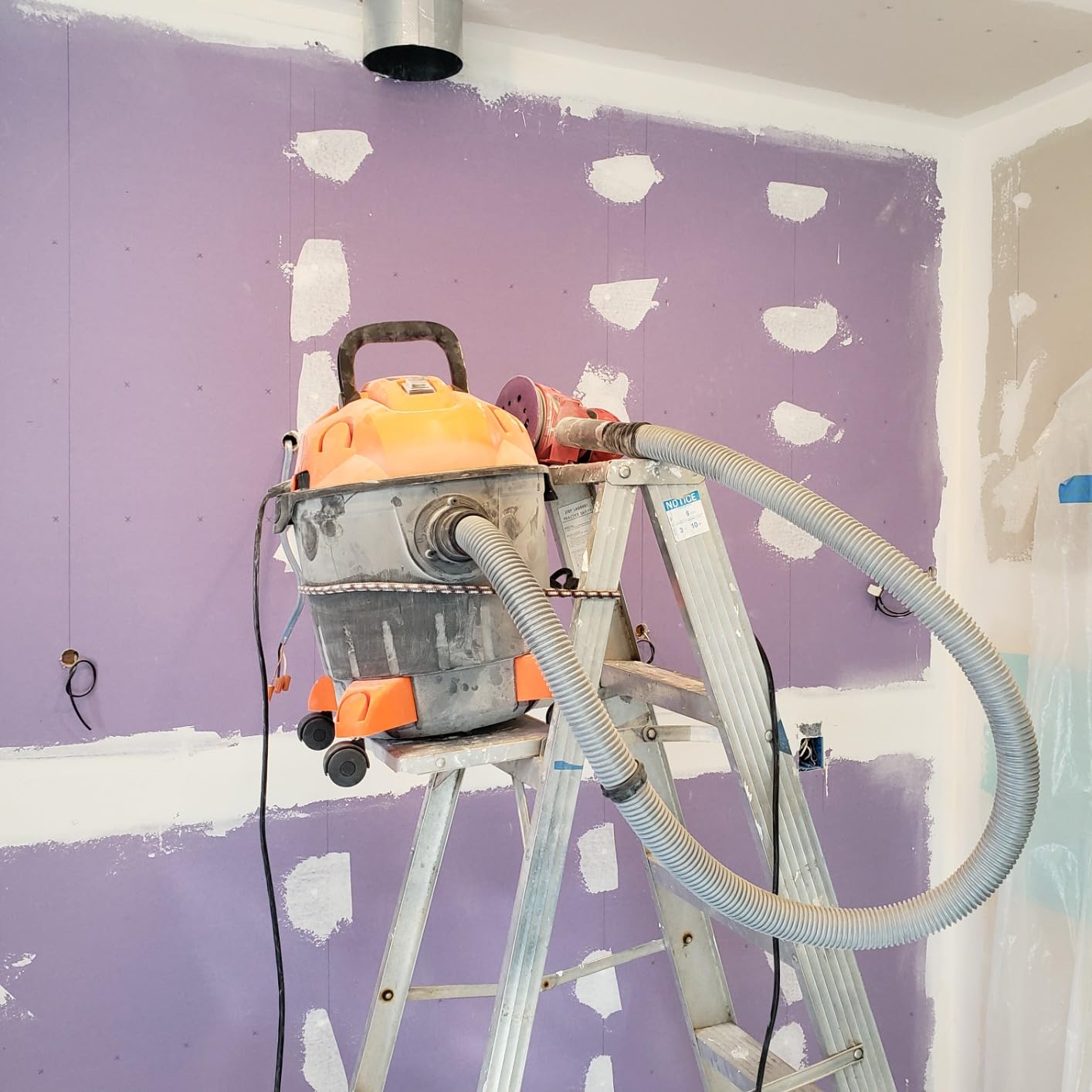
Owners report it holding up well over a year of regular use and doing good work on pet hair and household dust. Onboard storage keeps the two extension tubes, utility nozzle and crevice nozzle together, and the compact body stores easily under a stair or in a closet, which is a real advantage in a basement where floor space is already spoken for.
The 5 foot hose and roughly 8 foot power cord are both short, so plan the machine’s position before you start. On a larger basement you will be moving it more than the reach figure suggests.
Where HEPA actually helps
A HEPA filter matters when the debris is airborne and fine, like drywall dust, plaster or mold spores, because a standard foam or paper cartridge lets those particles pass through the motor and into the room. A basement renovation with sanding or a mold remediation job is exactly that situation, and a 0.3 micron rating is the standard threshold that matters.
It also does a better job on fine dust in a finished basement where you do not want to settle grit into the space you live in. For pure water cleanup, none of these ten machines needs a HEPA filter, because the water carries the particles away with it.
Where it is the wrong tool
There is no prefilter, and owners say it clogs quickly in dirty spaces. That is a serious problem in a basement, where the wet debris usually includes construction grit and drywall powder. It will also clog much faster than a machine with a prefilter when you pick up wet mud.
At 82 dB this is the loudest machine here, the 5 gallon tank is small for basement water, and the extension wand sections separate unless you tape them, which is a recurring complaint. Treat this as a filtration tool for dust, not a water removal tool.
10. Koblenz WD-9 L212 9 Gallon – Best Warranty Coverage
Koblenz WD-9 L212 Wet Dry Vacuum Cleaner, 9 Gallon, 5.0 PHP
9 gal poly tank
13.4 pounds
5.0 peak HP
CLICK-N-LOCK hose
5-year warranty
Pros
- 13.4 pounds in a 9 gallon tank
- Five-year warranty is the longest here
- CLICK-N-LOCK hose stays attached
- Tip-over-resistant base
- HOOK-N-STORE accessory organization
Cons
- No brush or detailing tool included
- 8-amp draw is the lowest here
- Awkward for some users to move
- Hose connector durability complaint in one review
The Koblenz is the size-to-weight compromise we keep coming back to. Thirteen point four pounds for a 9 gallon tank is tied for the lightest body in this group, and it holds a 9 gallon tank, which means about 75 pounds of water when full. That is more capacity than the 6 gallon Stanley at essentially the same empty weight.
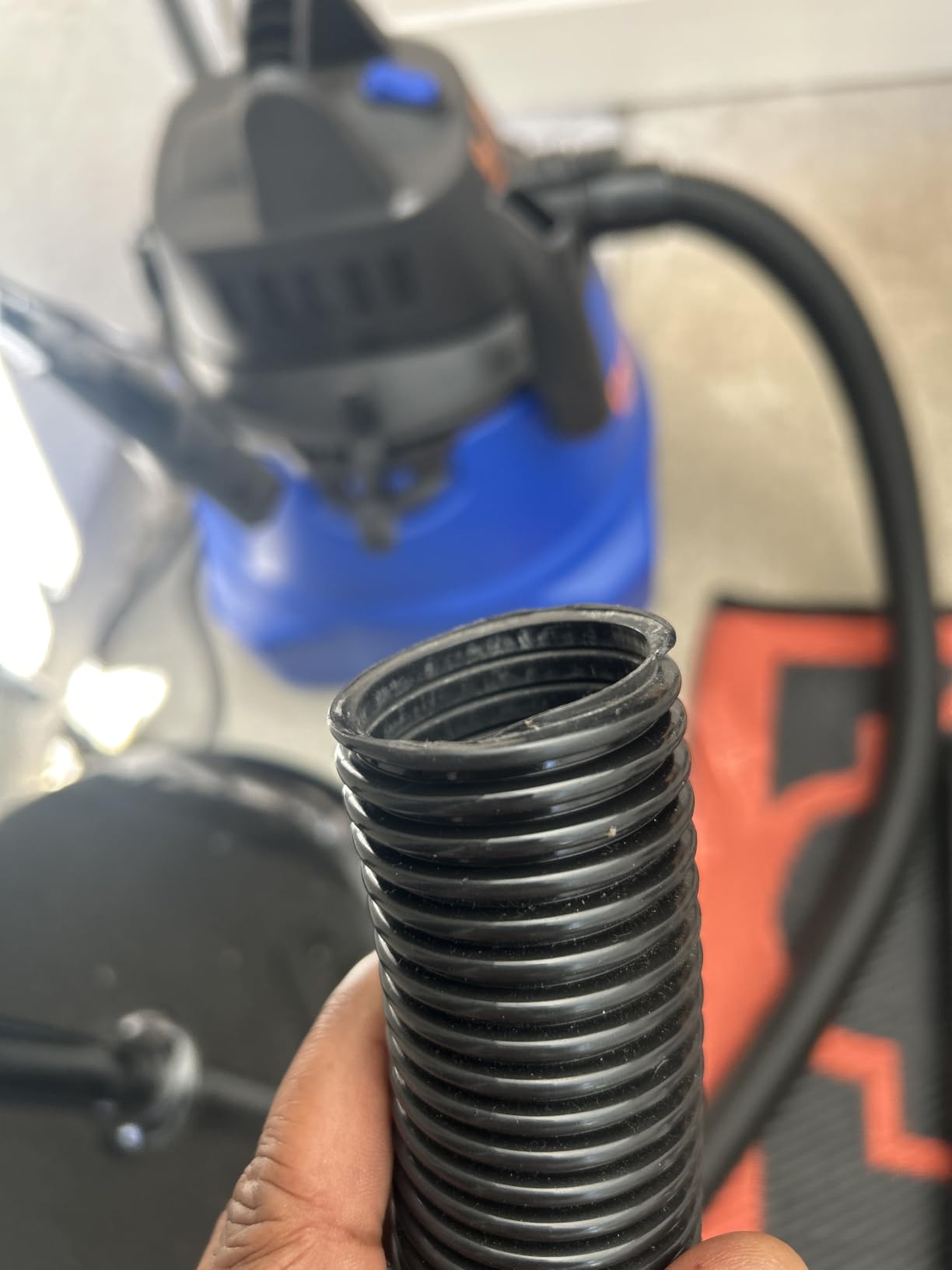
The CLICK-N-LOCK EVA hose locks under suction, which sounds like a gimmick until you have had a hose slip out of a wet/dry vac mid-pickup. It also means the hose stays attached in storage and does not need a separate clip. Reviewers lift the swivel casters over concrete, tile and hardwood without trouble.
The five-year warranty is the longest coverage of any model here, and for a basement tool that lives in damp conditions that is a meaningful difference. Koblenz has been making vacuums since 1959, and the tip-over-resistant base with four swivel casters is built for a wet floor rather than a showroom.
HOOK-N-STORE organization around the tank lid keeps the floor tool, pickup tool, crevice tool, utility nozzle and two extension wands on the machine itself. Owners report suction that lifts carpeting and pulls heavy debris, and the tool kit is otherwise complete.
Why the light body changes the job
Weight is the variable that determines whether you do the whole basement or half of it. At 13.4 pounds empty, you can carry this up a full flight of stairs, set it down, and move it to the far corner when you need to, without recruiting a second person. Over a five hour cleanup that flexibility adds up.
The 9 gallon tank is also the size that covers most single rooms and smaller basements in one pass, so a typical seepage event is one cycle rather than four. For a first wet/dry vac for a homeowner, that combination is hard to beat.
What to add before you start
There is no brush or detailing tool in the box, and multiple buyers had to source one. On a wet job you will want a wide floor nozzle for carpet and a narrow brush for edges, so plan to buy those separately.
The 8 amp draw is the lowest in this group, and that is the honest limit: sustained heavy suction on wet debris is where the 10 amp machines pull ahead. One review also flags a hose connector durability issue. If your work is heavy wet debris rather than water with fine grit, step up to the 10 gallon DeWalt.
Basement Safety First: Kill the Power Before the Water?
We read the forums on this topic more carefully than we read the spec sheets, because the scariest question in every basement thread is whether it is safe to plug a machine into a wet room. Here is the order we would actually follow, and we would follow it even for a puddle that looks harmless.
First, de-energize the circuit. Find the breaker panel, identify the circuit that feeds the basement, and switch it off before you step into the room. Do not rely on the wall switch, because a switch only controls fixtures and outlets in many older homes. If you cannot identify which breaker serves the basement, shut off the main.
Second, only power equipment that is plugged into a GFCI outlet once the area is dry enough to be safe. A GFCI outlet trips when it detects an imbalance in current, which is your last line of defense. If the outlet is not GFCI protected, buy a GFCI adapter before you plug anything in, and never run a cord across a wet floor or through a doorway where it can be pinched.
Third, never stand in energized water. Water is a conductor, and the combination of a live appliance, wet concrete and a person holding a metal hose is the exact scenario that kills people. The rule we would repeat: if the water is still there and the power is still on, the only correct move is to the breaker panel, not to the machine.
Fourth, treat flood water as contaminated. Sewage, chemicals, pet waste and mold spores can all be in the mix. Wear waterproof gloves, rubber boots and eye protection, and wash your hands and face before you eat, drink or touch a child. When in doubt about what is in the water, this is a job for a professional restoration company, not for a shop vac.
Finally, never use a household vacuum on liquid. Household vacuums are not sealed, not corrosion resistant and have no float shutoff. They will die, and in a wet environment they can kill you first. This is the single most common and most dangerous misconception in the category.
Shop Vac vs Submersible Pump: Where Each One Stops Working?
You can use a shop vac to get water out of a basement, but only within limits. A wet/dry vacuum is designed to remove the last inch of water, not the first foot. It pulls at the surface, at the speed of a household vacuum, and it has to stop every time the tank fills.
A submersible pump sits in the water and moves gallons per minute. It empties a flooded basement in minutes rather than hours, which matters enormously when the mold clock is running. If water is more than an inch or two deep across the whole floor, pump it down with a submersible pump first, then use the shop vac for the last inch, the seams, the corners and the carpet.
The forum consensus on this is consistent and worth repeating: wet/dry vacs get water to a much drier finish than a pump can, because a pump pushes water to a drain while a vacuum pulls what is left out of the floor and out of the fabric. Community members describe it as the last inch, not the first foot, and that framing is exactly right.
For a burst supply line or a sump overflow caught early, a shop vac alone is often enough. For a storm flood or a failed sump during heavy rain, plan on a submersible pump for volume and a wet/dry vac for the finish. Most people who own only one tool end up renting the other one exactly once, and that is when it is worth owning both.
How to Use a Wet Dry Vacuum for Wet Pickup?
Most shop vac failures come from doing the wet job with the dry setup still in place. Six steps, in order, and you will get a drier floor and a machine that survives.
Remove the dust bag. The bag is a dry-collection part and it is the fastest way to destroy a wet/dry vac. It holds water against the motor and it will not drain.
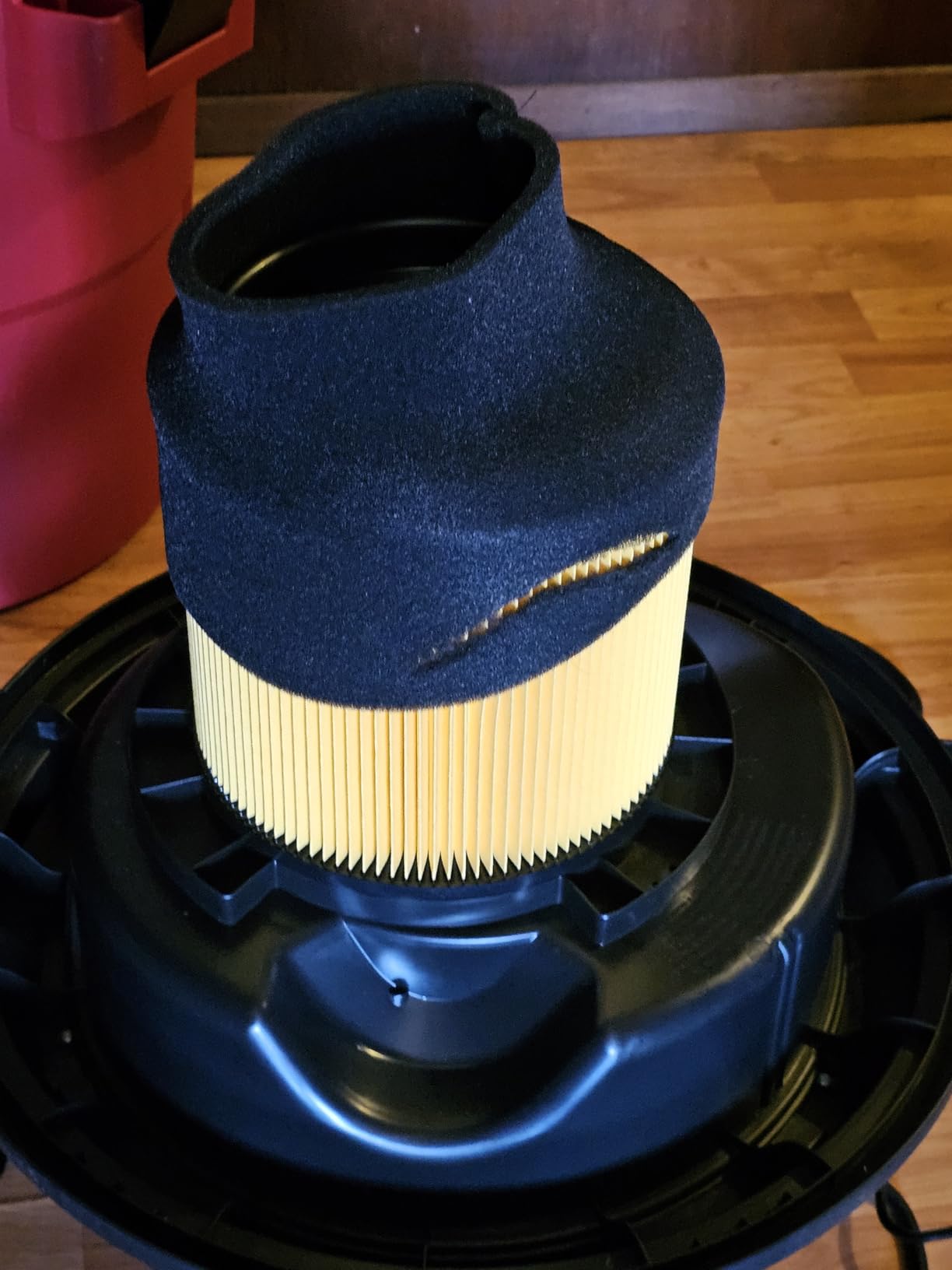
Fit the correct filter. A washable foam filter is the standard wet-pickup filter and it is reusable. A pleated paper cartridge is a dry-collection filter and it will clog and fail if you run it wet. If you need fine filtration, use a wet-rated HEPA-style cartridge, not a dry paper one.
Flip the floor nozzle to wet mode. The squeegee lips on the bottom of the nozzle need to seal flat against the floor. If you see gaps, the machine pulls air instead of water.
Run it with a full forward pass. Start at the far wall and work toward the drain or toward the door. Slow passes dry the floor; fast passes just move the water around.
Watch the float, respect the shutoff. A float in the tank cuts suction when the water reaches the level standard. When suction drops, the tank is full. Empty it through the drain port rather than lifting the tank, whenever you can.
Empty, rinse and dry. Dump the water, rinse the foam filter and let it dry fully, wipe the tank and the nozzle, and check the hose for kinks. Never store a wet/dry vac with water in the tank, and in a freezing basement store it off the concrete slab.
Rinse the foam filter after every wet use and expect to replace a cartridge filter every 6 to 12 months depending on how much drywall dust and grit you are moving. Replacement filters are the cheapest insurance in this category, and a filter that costs more than a service call is a filter you will delay replacing.
What to Weigh Before You Buy for a Basement?
Start with the emptying method, not the horsepower. Water weighs 8.34 pounds per gallon, so tank size directly converts into carry weight. A 5 gallon tank adds about 42 pounds, 6 gallons about 50, 8 gallons about 67, 9 gallons about 75, 10 gallons about 83, 12 gallons about 100, 14 gallons about 117 and 16 gallons about 133. Add the empty weight of the machine and you can see why a 16 gallon unit that seems like the obvious answer is often the wrong one.
If you have a floor drain or a working sump within hose reach, a large drain port changes everything. The Vacmaster 12 gallon and the Stanley 10 gallon both prioritize draining, and the latter includes a garden hose adaptor. If you have no drain, buy the smallest tank that still does the job and empty it more often, because a smaller tank gets you up the stairs without asking for help.
Then look at airflow, not peak HP. Peak horsepower is a marketing figure and it does not predict wet pickup. Airflow in CFM, air watts, and sealed suction in inches of water tell you how much water the machine can move per minute. The 14 gallon DeWalt at 110 CFM and the 10 gallon DeWalt at 90 CFM are the two strongest airflow figures in this group, and the 8 gallon Vacmaster at 75 CFM is respectable for its size.
Hose diameter matters more than most buyers expect. A 2-1/2 inch hose moves far more air than a 1-1/4 inch hose, and the narrow hoses on the Stanley 6 gallon and the Shop-Vac clog faster on wet debris. If a replacement hose is sold separately for the model you want, factor that into the decision.
Noise is the spec nobody researches and everybody notices. The range here runs from 69 dB on the 16 gallon Craftsman to 82 dB on the WEN. If your basement is finished, occupied, or you are working after hours, that 13 dB gap is the difference between a cleanup you tolerate and one you avoid. The 10 gallon Vacmaster at 72 dB is the quiet mid-size option.
Tank material is a durability question rather than a performance one. A stainless steel tank resists rust, dents and the smell of a wet basement, and the Shop-Vac 5 gallon is the pick if you want one. Polypropylene and poly tanks are lighter and cheaper, which matters more when you are carrying the unit up stairs. The vast majority of the wet/dry vacs in this roundup are poly.
Finally, filters. Wet pickup needs a washable foam filter or a wet-rated cartridge, and running a dry paper cartridge wet is the fastest way to destroy a machine. Check that replacement filters are sold separately for your model before you buy, because a brand that does not sell its own filters will leave you stuck.
After the Vacuum: Drying a Flooded Basement
A shop vac removes water. It does not remove the moisture trapped in drywall, carpet padding and concrete, and that moisture is what grows mold. The forum consensus is that a dehumidifier and moving air are what actually finish the job, and every thread we read repeats the same sequence.
Vacuum first, get the surface dry. Then move air with fans or air movers to evaporate what is left in the materials. Then run a dehumidifier to pull that moisture out of the air, and keep it running until relative humidity in the basement holds under 60 percent for a full day. If you can hit that, mold does not grow.
The clock matters. Mold can begin forming within 24 to 48 hours of the first wetting, so if the vacuuming itself takes two days, you are behind before you start drying. That is another argument for the submersible pump on volume work, and another reason the big-tank-versus-drain question is really a time question.
If your basement floods repeatedly, the vacuum is treating the symptom. Grading, gutters, foundation cracks and a failed sump pump are the real problem, and no wet/dry vac on this list fixes any of them. Get the water source corrected before the next storm.
Frequently Asked Questions
What is the best wet dry vacuum for a flooded basement?
A corded wet/dry shop vac in the 9 to 16 gallon range with a large drain port is the right tool. Our pick for most basements is the CRAFTSMAN CMXEVBE17595 16-gallon, because the oversized drain empties water fast and the 16 gallon tank reduces the number of stopping cycles. If your basement is small or the stairs are steep, the 13.4 pound Stanley SL18116P is easier to carry.
Can I pump water out of my basement using a shop vac?
Only in small volumes. A wet/dry vacuum pulls at the surface and has to stop every time the tank fills, so it is a finisher rather than a volume tool. If water is more than an inch or two deep across the whole floor, use a submersible pump to move the gallons and save the shop vac for the last inch, the seams and the carpet edges.
How do I safely vacuum up water in a basement?
Kill the power first. Shut off the basement circuit at the breaker panel, not the wall switch, and only plug in once the area is dry enough to be safe. Use a GFCI protected outlet, keep cords off wet floors, and never stand in energized water. Wear gloves and boots, treat flood water as contaminated, and never use a household vacuum on liquid.
What size wet dry vacuum do I need for basement flooding?
Match the tank to the job and to your stairs. Water weighs 8.34 pounds per gallon, so a full 16 gallon tank is about 133 pounds and a full 8 gallon tank is about 67. Most basements between 300 and 500 square feet work well with an 8 to 10 gallon unit, while larger spaces benefit from 12 to 16 gallons paired with a large drain port.
What wet dry vacuum has the strongest suction?
Compare airflow in CFM rather than peak horsepower. The DEWALT DXV14P publishes 110 CFM and the DEWALT DXV10P publishes 90 CFM, the two strongest airflow figures among the ten models we tested. Peak HP is a marketing number and does not predict how fast a wet/dry vacuum removes water from a floor.
Do I need a special filter for wet messes, and how often do I replace it?
Yes. Remove the dust bag for any wet job and fit a washable foam filter or a wet-rated cartridge, because a dry paper cartridge will clog and fail when it is wet. Rinse the foam filter after every wet use and replace a cartridge every 6 to 12 months depending on how much drywall dust and grit you move. For mold spores and fine dust, an F9 HEPA filter rated to 0.3 microns is the option that catches particles.
Will a shop vac clean up water, and can a regular vacuum do the same job?
A shop vac is built to pick up liquid, with a sealed motor housing, a corrosion-resistant tank and a float that cuts suction when the tank fills. A regular household vacuum cannot. Household vacuums are not sealed, have no float shutoff and will be destroyed by water, so using one in a wet basement risks both the machine and the person holding it.
What is the best way to dry out a flooded basement?
Work in three stages. Vacuum the standing water first, then move air with fans to evaporate moisture trapped in drywall, carpet and concrete, then run a dehumidifier to pull that moisture out of the air. Keep the dehumidifier running until relative humidity holds under 60 percent for a full day, because mold can begin forming within 24 to 48 hours of the first wetting.
The Bottom Line
The best wet dry vacuums for basement cleanup are the ones you can actually finish the job with. For most basements that is the CRAFTSMAN CMXEVBE17595 16 gallon, because the oversized drain and large tank cut the number of stopping cycles. For tight stairs and smaller spaces it is the 13.4 pound Stanley SL18116P, and for a floor drain within hose reach the Vacmaster VJH1211PF is the fastest cycle.
Judge these machines on airflow, drain port and empty weight, and ignore peak horsepower. And remember what the vacuum is for: it clears the last inch and the corners. Volume removal belongs to a submersible pump, drying belongs to a dehumidifier and moving air, and if your basement keeps flooding, the fix is grading, gutters or a sump pump, not a bigger canister.