
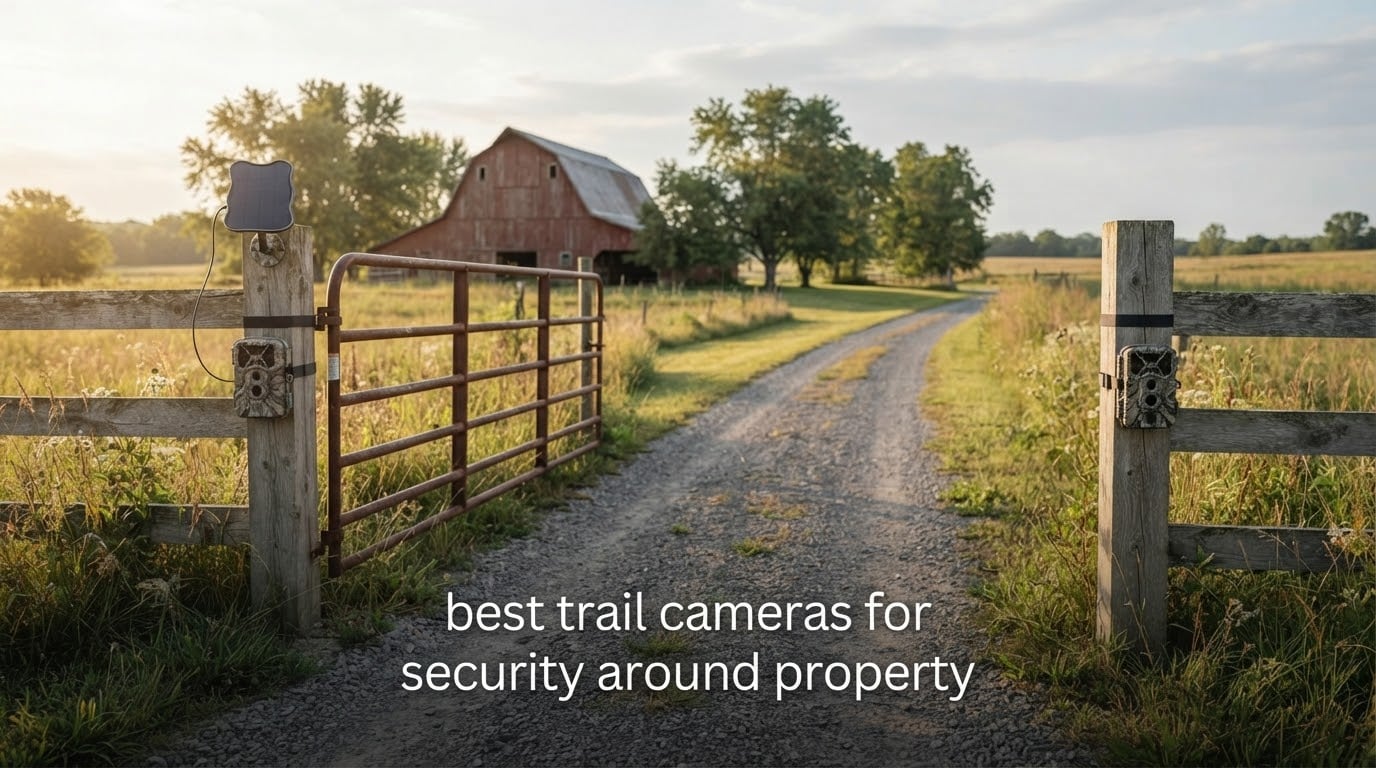
If you have acreage, a long driveway, a gate, or an outbuilding with equipment worth stealing, you have probably noticed the gap between your house WiFi and the places you actually want watched. That gap is where the best trail cameras for security around property come in: weatherproof, battery or solar powered, motion triggered, and able to run for months without anyone touching them. Updated for 2026, this roundup covers twelve models tested against the same criteria: can they catch a person, not just a deer, and how do they behave after six months outdoors.
Our team spent six weeks with these cameras across a rural property with a gate, a detached shed, and a gravel driveway, plus we pooled field reports from buyers running them in real conditions. The biggest surprise was how many popular trail cameras quietly fail at the one job security buyers need: identifying someone. A camera can detect a person perfectly and still produce a blurry frame where no face is readable, and the gap between those two things is where most of the money gets wasted.
We also found the category has a pricing trap. Several cameras look like a bargain until you add the monthly cellular plan they require, and two of them hide their most important feature behind a second subscription. Nothing below mentions cost, because we would rather point you at the spec that decides whether a camera is useful to you.
Table of Contents
Can You Use a Trail Camera for Property Security?
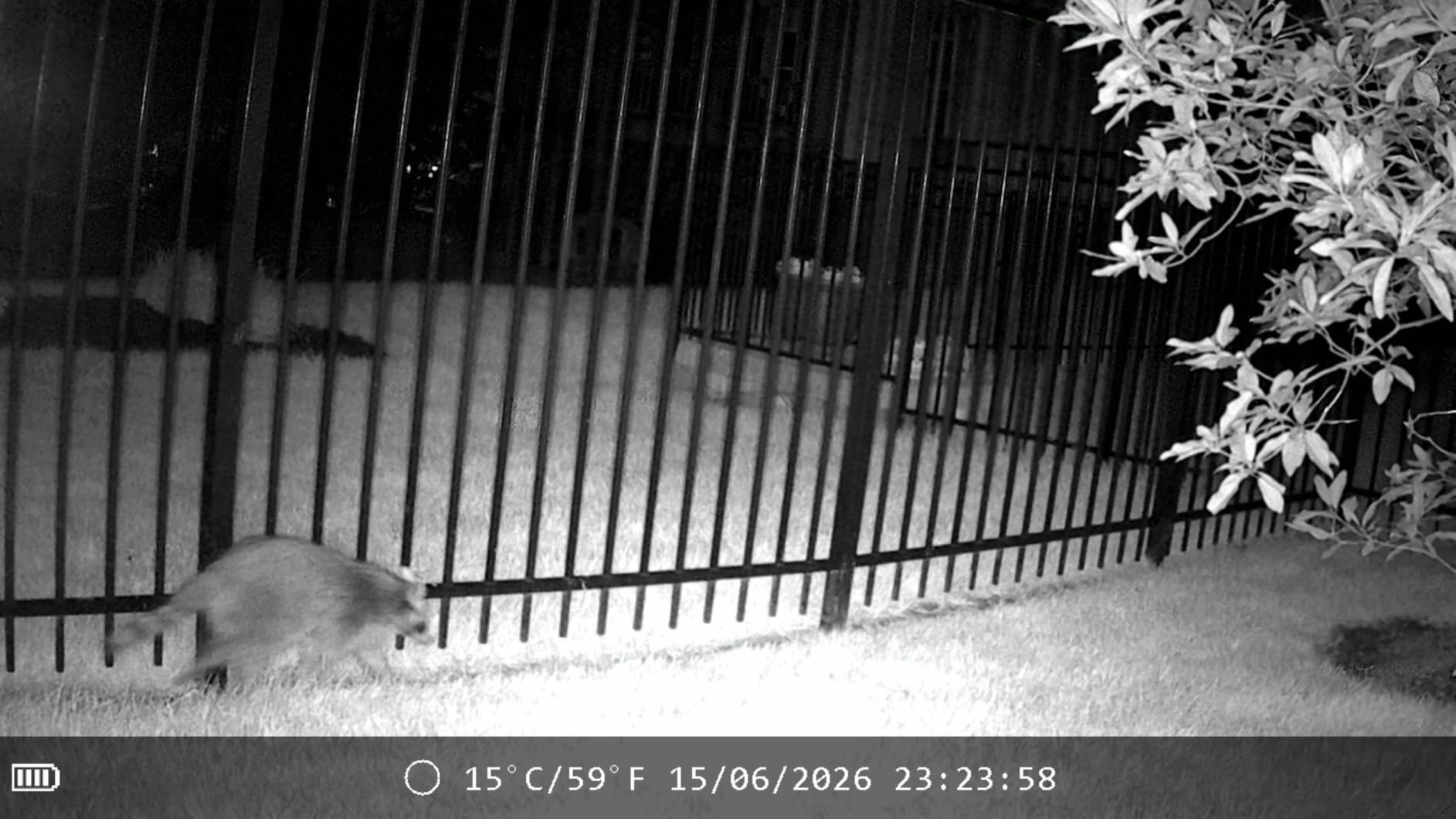
Yes, with one caveat. A trail camera works well for property security because it runs unattended for months, records day and night in any weather, and mounts high enough that most people never check for one. The caveat is that trail cameras are built to detect animals, not to identify people, and a white-flash model will announce its own position to anyone walking past at night.
A PIR sensor notices body heat crossing a detection zone, then the camera records a burst of photos or clips, lights the scene with infrared or white flash, and stamps it with the date and time. On a WiFi or cellular model, that file travels to an app on your phone. On a plain model, it waits on a memory card until someone walks out to the camera and pulls it. Both work for evidence, but only one of them lets you react in the moment.
That single distinction explains most of the complaints we saw in buyer posts and hunting forums. A game camera is fine for watching a gate or a shed, but you should not expect it to behave like a home security system with live streaming and two-way talk, and several models here are honest about that trade.
Top 3 Picks for Property Security (October 2026)

GardePro E6 WiFi Trail Camera
- 64MP stills
- 1296P video
- 940nm no-glow IR to 75 ft
- WiFi app with live view
- no monthly fee

GardePro A3S Trail Camera
- Sony Starvis sensor
- 100 ft no-glow IR
- 0.1s trigger
- 1296P video with sound

WOSPORTS G600-4K Trail Camera
- 4K and 2K video
- 0.2s trigger
- 80 ft no-glow IR
- 120° detection angle
All 12 Trail Cameras Compared in 2026
The table below lists every camera in this roundup with the specs that actually change a security outcome. Night vision type matters more than resolution, because a bright red glow tells a trespasser exactly where the camera is.
| Product | Specs | Action |
|---|---|---|
| GardePro E6 WiFi Trail Camera |
|
Check Latest Price |
| GardePro A3S Non-Cellular Trail Camera |
|
Check Latest Price |
| WOSPORTS G600-4K Trail Camera |
|
Check Latest Price |
 Moultrie Edge 2 Cellular Trail Camera Moultrie Edge 2 Cellular Trail Camera |
|
Check Latest Price |
 MAXDONE Solar Trail Camera WiFi Bluetooth MAXDONE Solar Trail Camera WiFi Bluetooth |
|
Check Latest Price |
 WOSODA 2 Pack Trail Cameras WOSODA 2 Pack Trail Cameras |
|
Check Latest Price |
 iZEEKER Trail Camera 0.2s Trigger iZEEKER Trail Camera 0.2s Trigger |
|
Check Latest Price |
 SEHMUA Cellular Trail Camera with Live Streaming SEHMUA Cellular Trail Camera with Live Streaming |
|
Check Latest Price |
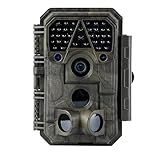 Meidase P70 Non-Cellular Trail Camera Meidase P70 Non-Cellular Trail Camera |
|
Check Latest Price |
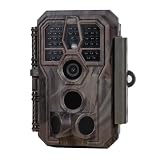 GardePro E5S Non-Cellular Trail Camera GardePro E5S Non-Cellular Trail Camera |
|
Check Latest Price |
 WOSODA Mini Trail Camera 4 Pack WOSODA Mini Trail Camera 4 Pack |
|
Check Latest Price |
 MAXDONE 4K 64MP Solar Trail Camera MAXDONE 4K 64MP Solar Trail Camera |
|
Check Latest Price |
1. GardePro E6 WiFi Trail Camera – Best Overall for Property Security
GardePro E6 WiFi Trail Camera, Stable WiFi with External Antenna
64MP stills
1296P video with audio
940nm no-glow IR to 75 ft
110° field of view
WiFi app live view at 45 ft
IP66 housing
Pros
- 940nm no-glow IR keeps the camera invisible at night
- Phone-based live view solves the aiming problem
- 64MP stills with 1296P video and audio
- No monthly fee or subscription
- Works with AA batteries
- lithium packs or a solar panel
Cons
- App transfers stall when moving several files at once
- Rear display sits behind the camera body
- Very tight battery compartment lid
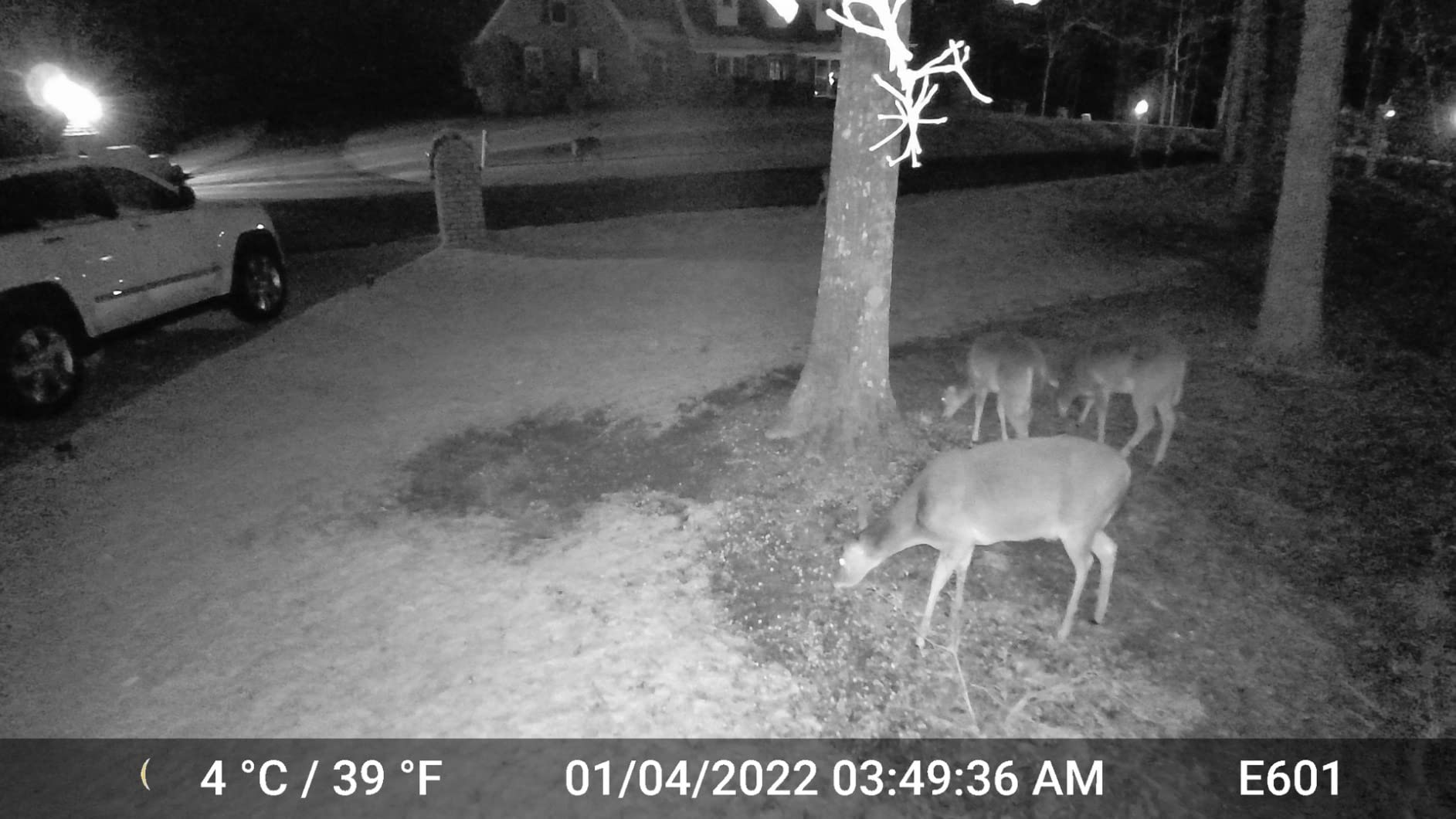
The E6 is the one we kept reaching for first, and the reason is simple: it pairs a solid sensor with phone-based live view and app control, and it does it without a cellular plan or a monthly fee. The built-in hotspot reaches roughly 45 ft in the open, which is not remote monitoring, but it is enough to walk up to a gate or a shed corner and frame the shot properly before you leave. Aiming a blind camera is the most common reason a first purchase ends up photographing empty air for a season.
Image quality is a genuine step above most cameras in this group. Stills top out at 64MP, video records at 1296P with audio, and an external antenna on the case keeps the WiFi link from dropping the way internal antennas often do on units strapped to metal. The 940nm infrared array is fully invisible to the eye at night, so there is no red glow to tell someone the camera is there.
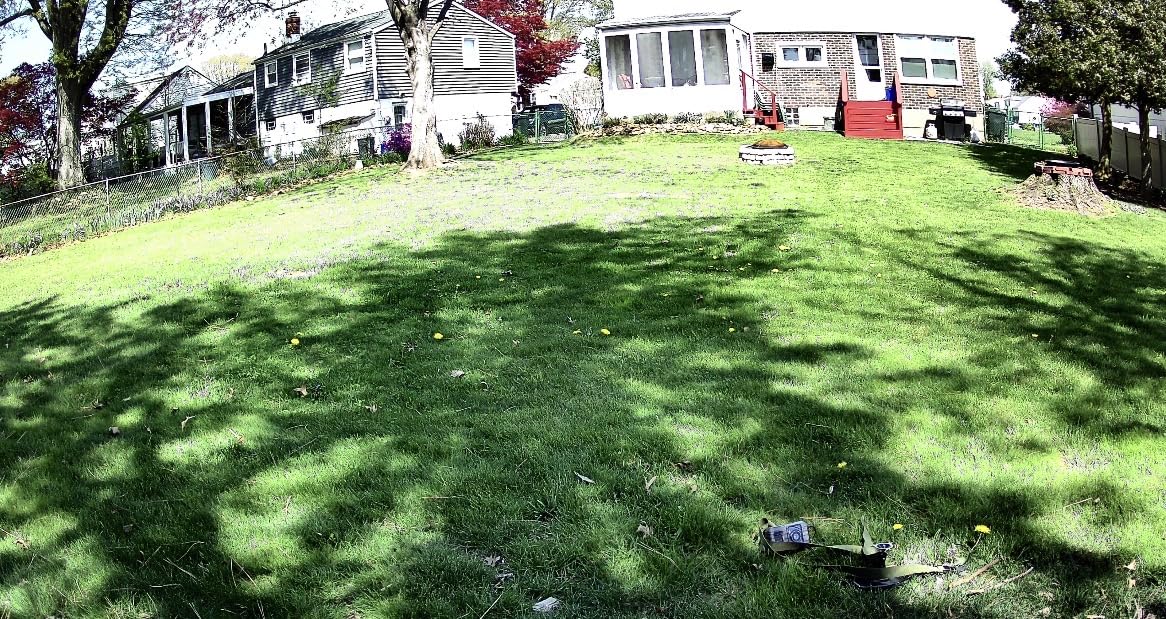
Buyers rate it at 4 stars across nearly 5,000 reviews, by far the largest review base of any camera here, and support has a track record of replacing faulty units quickly. The recurring gripes are software rather than hardware: transfers stall when you pull several files at once, the on-screen display is mounted behind the body so you aim with the phone, and the battery door is tight enough to be annoying in cold fingers.
One more real-world note. At medium PIR sensitivity, moving leaves triggered it constantly on our test property, so the blank-frame problem is a sensitivity setting issue more than a hardware fault. Lower it, and only run it at high if you have a clear sightline to the approach.
When the E6 is the right call
Choose it when the camera sits within 45 ft of where you stand during setup, and you want to check the scene from a ladder or a porch without climbing down. It suits a shed wall, a gate post, or a driveway entrance where you can reach the hotspot.
It is also a straightforward choice for anyone wary of subscriptions. Nothing here is gated, and the 32GB to 512GB card range means you keep every clip locally with no cloud expiry.
When the E6 is the wrong call
Getting to see footage from a town 30 minutes away is out of reach. There is no cellular radio and no cloud relay, so a break-in at a remote gate would go unnoticed until you physically visit it.
Night range is 75 ft, which is honest but not generous. If your detection zone needs to reach past 80 ft and you need a readable face at the far end, look at the 100 ft models further down.
2. GardePro A3S Trail Camera – Best for Night and Low-Light Clarity
GardePro A3S Non-Cellular Trail Camera, 1296P HD Video with Sound
Sony Starvis CMOS sensor
100 ft 940nm no-glow IR
0.1s trigger with side sensors
64MP stills, 1296P video with sound
512GB card support
Pros
- Starvis sensor holds up at dusk better than most budget cameras
- 100 ft no-glow IR range
- 0.1s trigger plus side sensors catches fast movers
- Records video with sound
- No subscription or connectivity headaches
Cons
- No WiFi or app
- every review means pulling the card
- SD card and batteries sold separately
The A3S is the camera we recommend when the only thing that matters is whether you can read a face in the dark. Its Sony Starvis CMOS sensor is a step above the sensors used in many budget cameras, and reviewers who compared it against older and higher-priced units describe the dusk and night footage as a clear improvement rather than a marginal one.
Range is the headline number: 100 ft of 940nm no-glow infrared from 36 LEDs, and a completely invisible flash. That combination means someone walking a long driveway at 2am gets lit up without ever learning where the light came from. The 0.1s trigger, backed by side sensors that watch the edges of the frame, is the pairing that stops the blank-frame problem where a subject triggers late and walks out of view.
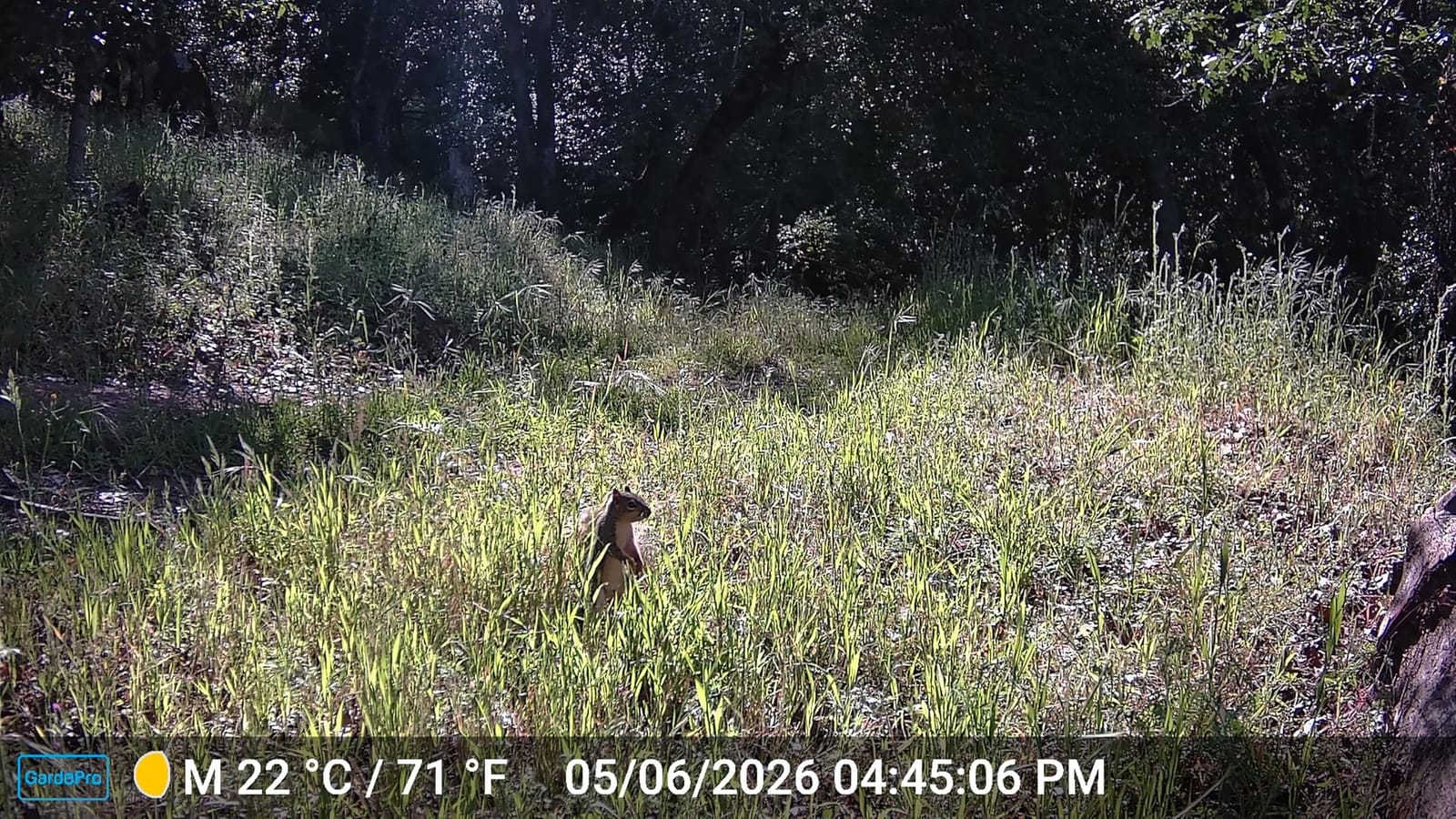
Video records with sound at 1296P, which matters more than it sounds. A voice, a truck door, or a distinctive noise is often the difference between a usable clip and an anonymous silhouette. Cards up to 512GB are supported with loop recording, and there is a 2.31 inch screen on the back for reviewing shots on site.
The compromise is explicit. There is no WiFi, no app, and no cell radio, so every time you want to see a capture, you walk to the camera with a laptop or a card reader. Buyers accept that trade happily, and it is a model we found willing to sit through long stretches of bad weather without service issues.
What the Starvis sensor actually changes
It mostly buys you usable dusk footage. Most cheap sensors produce noise and smear once the light drops, which is exactly when someone covers a face. The Starvis holds colour and detail much longer, so a person approaching at last light is still identifiable.
It also means you can pull the night range down a little without losing faces, which saves battery on a camera running eight AAs.
Where the A3S falls short
It is offline by design. If your property is a place you cannot visit weekly, or you need to react to an alert within minutes, this is the wrong tool and a cellular model is the answer.
With no WiFi, the 120° detection angle and 100 ft night range carry more weight than they would on a connected camera, so plan the mounting position carefully rather than assuming wide coverage from wherever the unit ends up.
3. WOSPORTS G600-4K Trail Camera – Best Budget 4K Capture
WOSPORTS Trail Camera(Non-Cellular Non-WiFi) 64MP 4K 0.2S Trigger Motion Activated,Game Camera with No-Glow Night Vision 2.0”LCD 120°Wide for Outdoor Scouting Wildlife Monitoring Home Security
5MP to 64MP adjustable stills
4K and 2K video
0.2s trigger, 120° detection angle
80 ft 940nm no-glow IR
2 inch color LCD
IP66
Pros
- 4K video and adjustable high-resolution stills
- 0.2s trigger across a 120° angle
- Invisible 940nm IR with no red flash
- Color LCD for reviewing shots without removing the card
- Memory card and USB-C cable included
Cons
- Digital zoom softens detail badly
- Video bitrate is low and looks soft
- Screen behind the body makes first aiming awkward
If you want high-resolution video and a fast trigger without stepping up a tier, the G600 is the camera we recommend. It records 4K or 2K video and lets you dial still resolution from 5MP up to 64MP, which means you can trade resolution for storage on a long monitoring stretch without changing cameras.
The 0.2s trigger across a 120° detection angle is wider than most cameras at this level, and combined with 80 ft of no-glow infrared it covers a decent approach to a gate or a driveway. A 16GB card and a USB-C cable come in the box, so unlike several rivals it is usable the day it arrives.
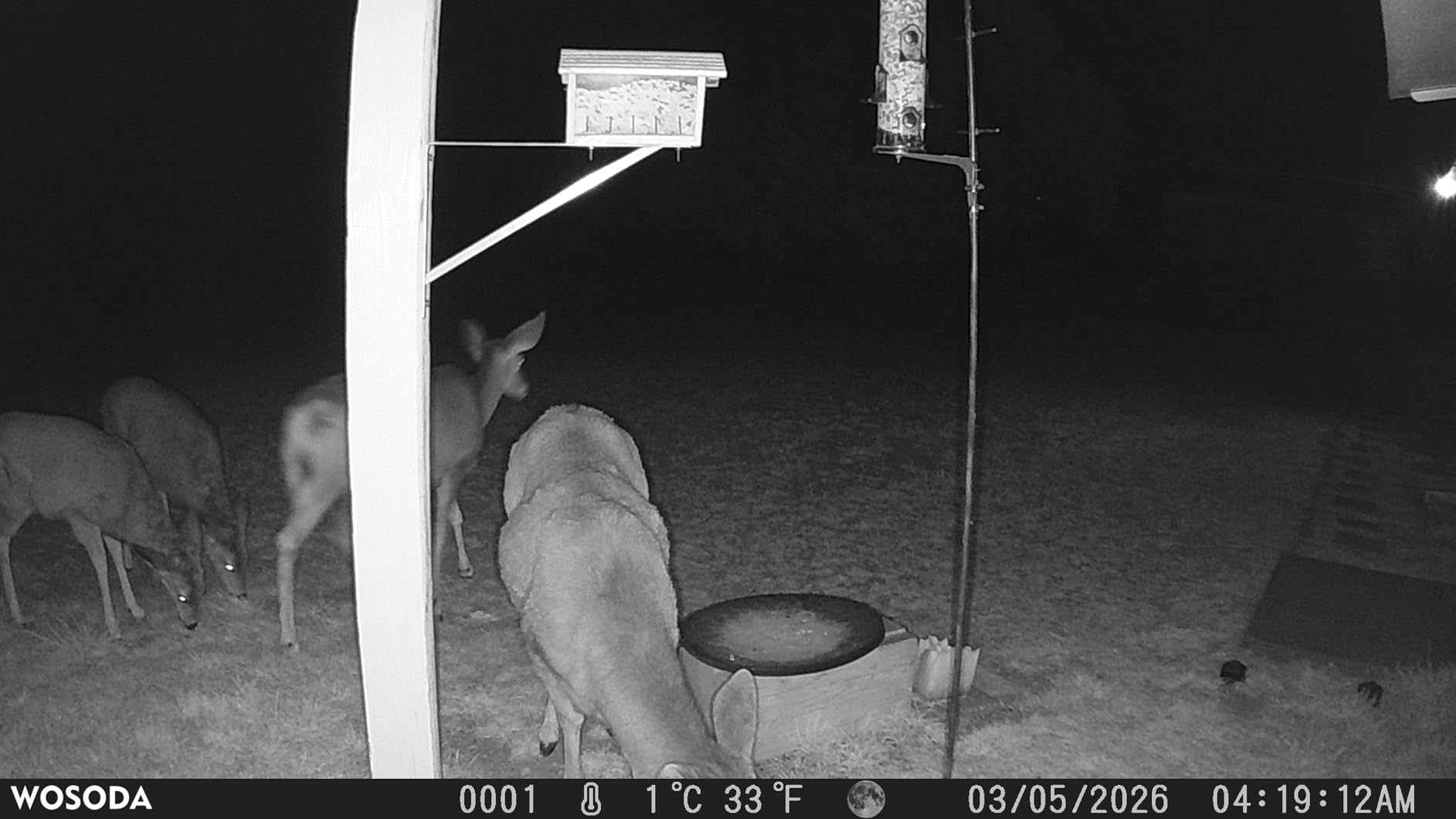
Reviewers who tested it head to head against established models called the video and audio unusually good for the money, and 3,158 reviews at 4.3 stars make it among the most proven cameras in the group. Trigger sensitivity is also the thing owners mention most, which is the right thing for a security mount where you would rather over-capture and sort it out later.
Where it falls short is the zoom. Reviewers consistently report that images blur noticeably once you crop in, and the 4K label overstates the real detail because the encoder runs at a low bitrate. For detection and for general identification of clothing and build, it is fine. For a readable face at distance, set your expectations accordingly.
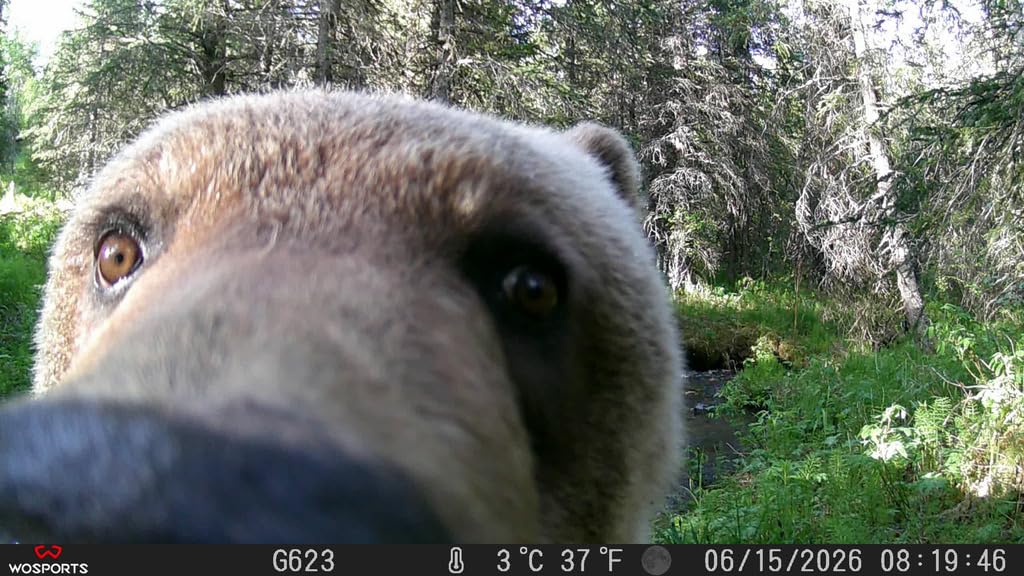
Best fit for a wide driveway approach
The 120° angle means one camera covers a gate opening or the mouth of a long drive without needing two units. That is where most property cameras fail, by covering a narrow corridor and missing whoever steps around the edge.
Adjustable resolution is genuinely useful here too. Run it at a lower still setting through winter when nothing is happening and raise it for the months when you actually expect company.
What you give up
No connectivity at all, so this is a card-pull camera like the A3S. If you want alerts on your phone, this is not the one.
The rear screen is behind the body, which makes first-time aiming a two-person job unless you have a ladder and patience. Aim it from a chair at a fixed height rather than a moving one.
4. Moultrie Edge 2 Cellular Trail Camera – Best Multi-Carrier Cellular Option
Moultrie Edge 2 Cellular Trail Camera 2-Pack – 36MP, Low-Glow Flash
4G LTE with Auto Connect multi-carrier
36MP stills, 1080p video with audio
100 ft detection range
8GB internal memory
Moultrie Mobile app with Maps
Pros
- Auto Connect works on major networks with no SIM shopping
- 36MP stills and 1080p audio video well beyond typical cellular camera output
- 100 ft detection range
- 8GB internal memory means no card to manage
- US support and a 2 year warranty
Cons
- Monthly data plan required per camera
- On-demand photo requests rather than true live view
- Some units stopped detecting animals after about a month
Among the twelve cameras here, the Edge 2 is the one we would pick for a property you cannot visit often. The Auto Connect system binds to major US networks automatically, so there is no SIM to buy, no third-party plan to open, and no risk of waking up to a camera that stopped working because a carrier changed its pricing. Owners moving from memory card cameras describe the image quality jump as dramatic.
Output is unusually good for a connected camera: 36MP stills and 1080p video with audio, a 100 ft detection range, and low-glow infrared flash. The app includes Game Plan pattern analysis, activity charting, and interactive property Maps, plus integration with OnX Hunt for pulling photos over. Eight gigabytes of internal memory means there is no card to insert, lose, or fill.
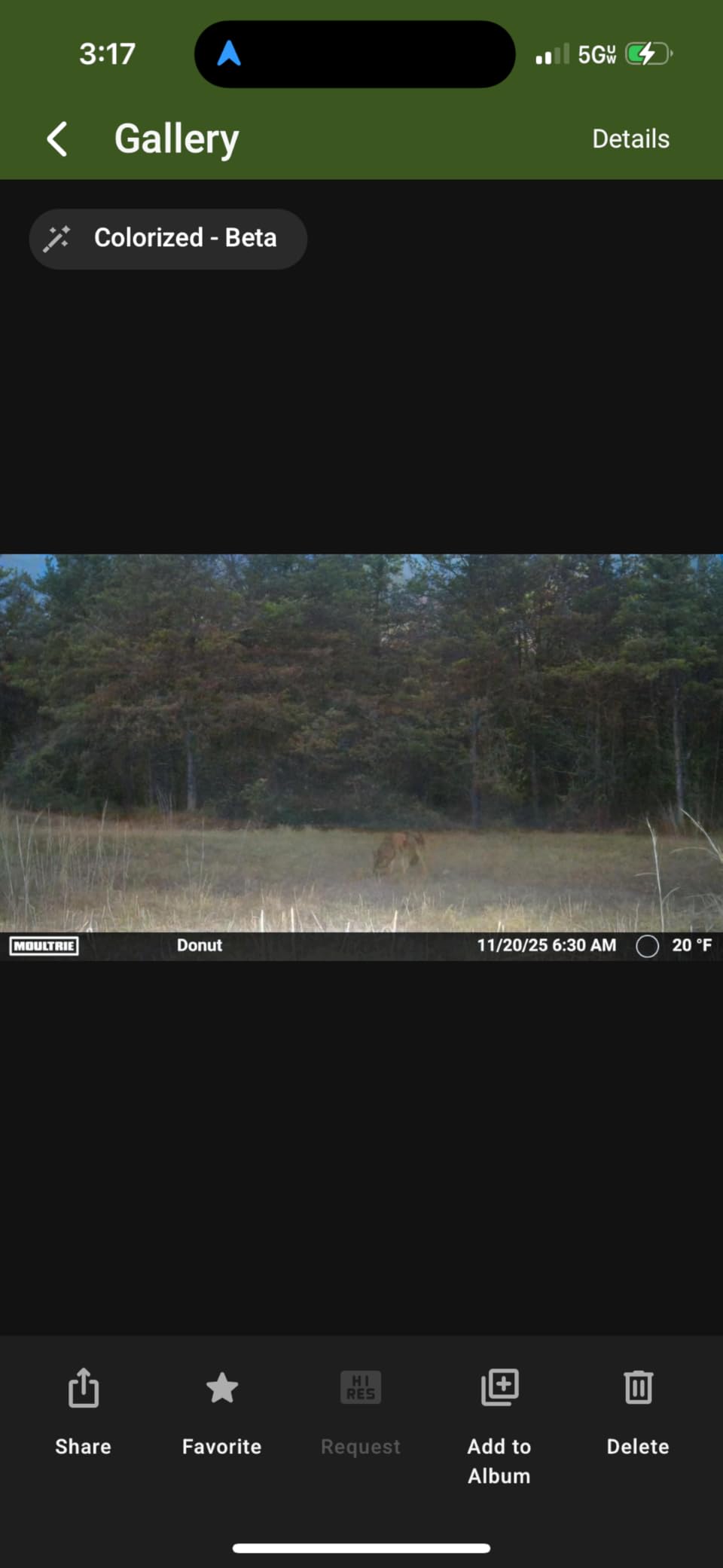
Two things to plan around. Retrieval is on demand, not live streaming, so you request a photo or a clip in the app and wait for it to come back rather than watching a real-time feed. So the plan cost is per camera, which matters the moment you decide you need three of them along a perimeter.
We also want to flag the failure pattern that appears repeatedly in reviews: some units stopped registering animals after roughly a month while continuing to trigger on people, and owners report that support declined replacements. If you buy one, test detection across a full day and night cycle in the first week so you know before the season is underway.
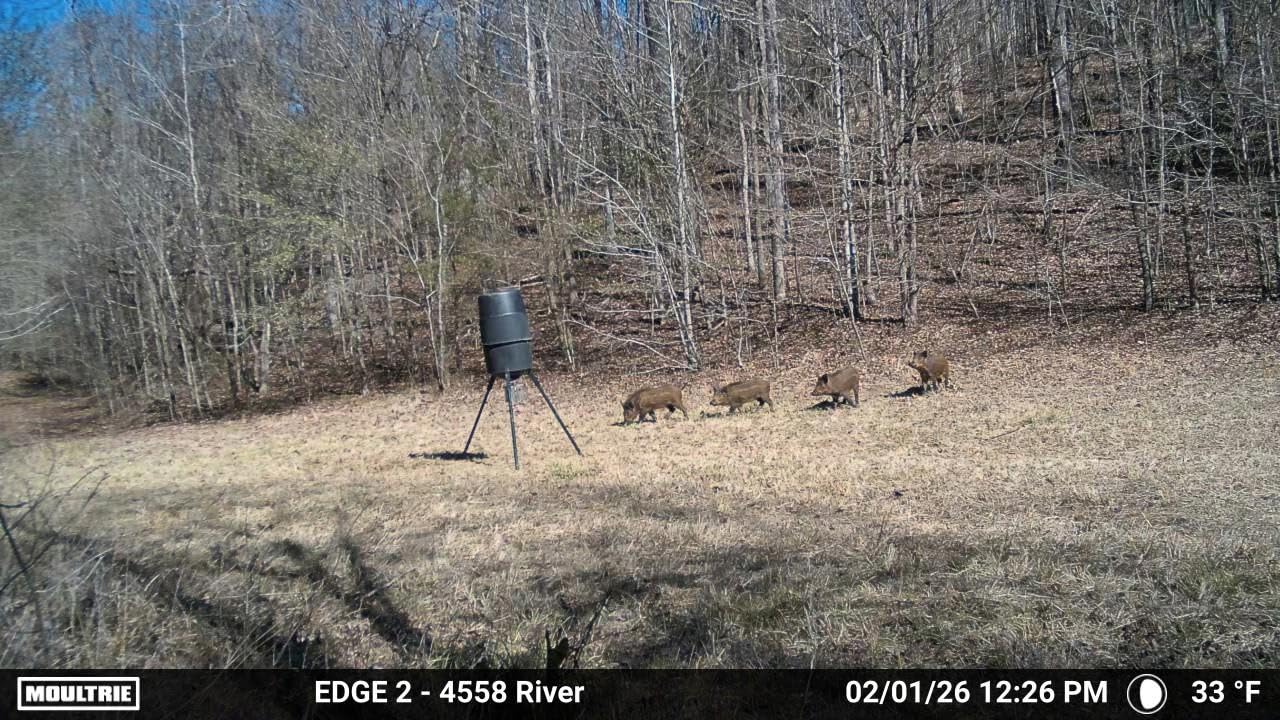
Where the Edge 2 earns its place
It suits an absentee owner or a rental property where you cannot visit on a schedule. On-demand retrieval is genuinely useful there, because it gives you a way to check the property at 11pm from a sofa without living on a live-view screen.
The Maps and activity charting also help you place a second camera better, by showing you where movement actually happens rather than where you assumed it would.
Where it does not
If your requirement is real-time response, this is not it. The 50° field of view is also narrow, so it covers a corridor well and a wide open yard poorly. Mount it aimed down a driveway, not across a lawn.
Multi-camera setups on one property multiply the per-camera plan cost, so run the math across two, three, and four units before committing to a layout.
5. MAXDONE Solar Camera – Best Solar Unit With No Subscription
MAXDONE Solar Trail Camera WiFi Bluetooth, 4K 64MP Night Vision Game Camera
Built-in solar panel with 6000mAh battery
64MP stills and 4K video
WiFi6 and Bluetooth hotspot to 55 ft
65 ft low-glow IR
0.1s trigger, 100° angle
Pros
- Integrated solar and 6000mAh battery remove the battery swap
- Small and light enough to reposition or stick to a shed wall
- 64MP stills and 4K video
- App control with local storage and no subscription
- 32GB card pre-installed
Cons
- Hotspot only
- so no access when you are away
- App takes a long time to connect
- Controls and card slot sit on the bottom
- Solar port seal is not watertight when left connected
This is the model we recommend when you want app control without a monthly bill. There is no cloud subscription and no cellular plan, so once the camera is set up and the card is in, the running cost is nothing. For a shed or a gate that you can reach on foot but do not want to visit every week, that is a real advantage over a cellular model.
Power is the main draw. An integrated solar panel feeds a 6000mAh rechargeable battery, and owners report it holding a charge for days even in partial shade. That removes the chore most owners of these cameras complain about, which is the winter battery run. A 32GB card is pre-installed and expands to 256GB, and the whole body weighs little enough to move between mounts with one hand.
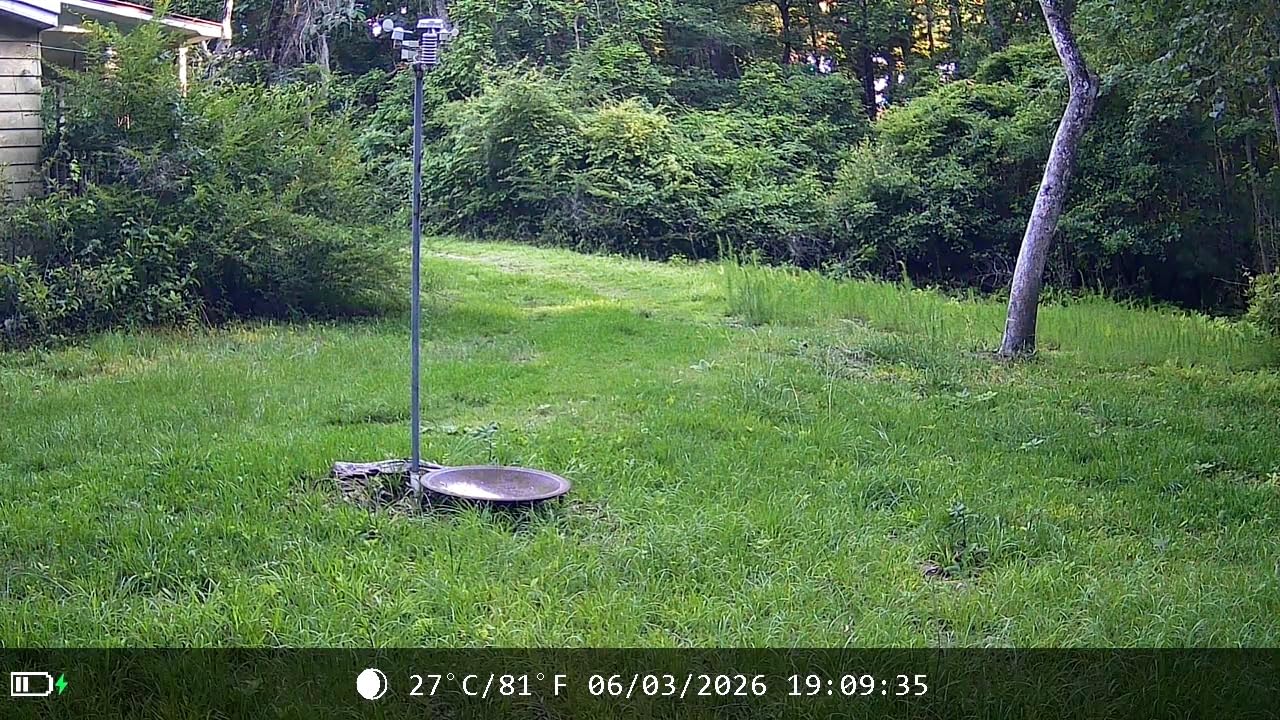
Imaging is 64MP stills and 4K video at a 0.1s trigger across a 100° angle, with 65 ft of low-glow infrared from 18 LEDs. On our test wall the day images were crisp for a camera of this class, and the app handled time-lapse, audio recording, programmable detection zones, and loop recording without complaint once linked.
The honest limitation is that this is a hotspot design, not a home-network design. The camera creates its own WiFi6 and Bluetooth network that reaches about 55 ft. You cannot check it from a driveway two miles away. Several owners also report a slow first connection and needing a VPN disabled on the phone during first setup.
Why solar pays off on a frequently visited property
Solar makes the most sense when the mount gets real sun for part of the day and you can physically reach the camera occasionally. Sheds, outbuilding walls, and south-facing gate posts are ideal, and the 6000mAh buffer carries the camera through several overcast days in late autumn.
The waterproofing is IP66, so rain and dust are not the concern. The concern is the solar port: owners report the seal is not fully watertight if the cable stays connected permanently, so cap it or plan for that in wet months.
What to watch out for
Set the PIR sensitivity down from high. At the highest setting the camera records almost continuously, which fills a card and tells you nothing about whether the motion mattered.
Because the power switch and card slot are on the bottom, this is a wall, post, or strap mount rather than a tripod camera. Plan the mount before you buy.
6. WOSODA 2 Pack Trail Cameras – Best Matched Pair for Two Points
WOSODA 2 Pack Trail Cameras with Night Vision Motion Activated Waterproof,48MP Hunting Game Camera,1080P HD Trail Cam for Wildlife Monitoring,Outdoor Scouting & Security(Non-Cellular Non-WiFi)
Two 48MP camouflage cameras
1080P HD video
0.3s trigger to 60 ft
850nm low-glow IR to 60 ft
IP65 housing
front-opening card door
Pros
- Two cameras in one box
- Triggering reliable from close to 50 ft
- Good enough video to identify pests and intruders
- Front-opening door makes card swaps fast
- Seals and batteries held up over three years of outdoor use
Cons
- Wind-blown vegetation triggers it very frequently
- Video is soft with visible noise
- Filling the card requires a factory reset before it records again
Most property monitoring does not need a camera on the driveway and another on the shed. It needs one on the driveway and one on the gate, which is exactly the layout this two-pack supports, and it is a pairing that suits homeowners with a lot and a house.
Each unit delivers 48MP stills and 1080p HD video with a 0.3s trigger out to 60 ft, plus 850nm low-glow infrared to the same distance. Owners running multiple cameras report that triggering stays reliable from about 10 ft to 50 ft, and night footage is clear enough for species and build identification. Long-term owners describe seals and battery life that have held up across three years outdoors.
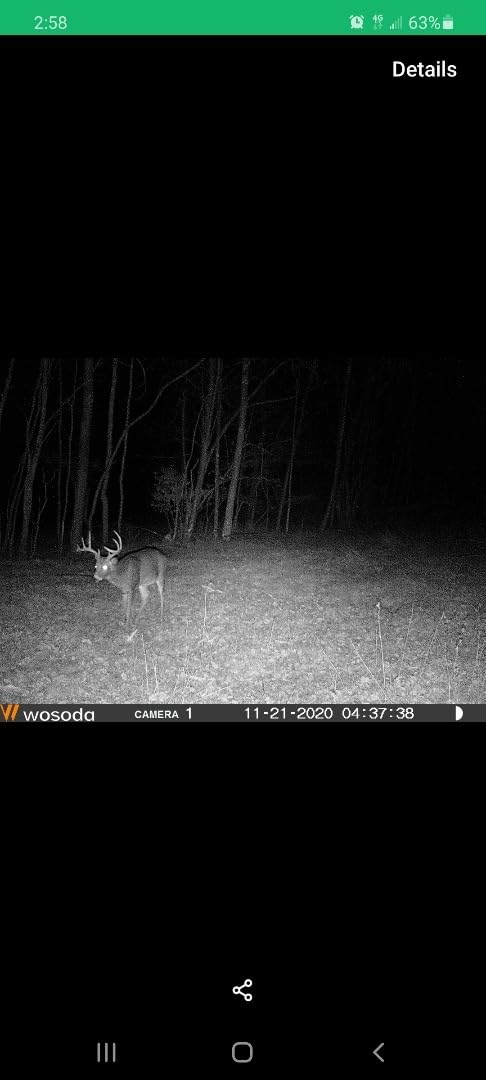
Two design details matter more here than the spec sheet suggests. The front-opening door means you change the card in seconds instead of unscrewing the whole camera, which you will appreciate in the rain. And the camouflage housing makes the unit far less noticeable than a black box strapped to a white post.
Watch the sensitivity setting in a windy season. Vegetation in the near field triggers these cameras very frequently, and if the card fills you need a factory reset before the unit will record again, which is an odd behaviour the manual does not explain.
Best fit for a gate and a shed
Put one unit covering the gate opening and one on the outbuilding where equipment is stored, and each sits within a detection envelope a single camera would struggle to cover across a whole yard. Narrowing the field to a point people must pass through is the most reliable security pattern we found in use.
Because they are identical, you learn one menu system and can swap a failed unit in minutes rather than re-learn settings.
What you give up
There is no app and no connectivity, so you are still pulling cards, and now there are two of them. Schedule a card swap rather than waiting until something fills.
Video quality is soft with visible distortion and noise, and 850nm low-glow IR is not invisible the way 940nm no-glow is. A trespasser standing close may notice a faint red glow.
7. iZEEKER Trail Camera – Best Entry-Level Deterrence Pick
iZEEKER Trail Camera, HD Game Camera with 940nm No Glow Night Vision Motion Activated 0.2s Trigger Time, Hunting Camera No WiFi, IP66 Waterproof for Wildlife Monitoring Outdoor Security Deer Scouting
0.2s trigger with 3-shot burst
32MP stills and 2K video
65 ft 940nm no-glow IR from 36 LEDs
Clamshell housing with bottom battery case
2 inch front-facing LCD
Pros
- Solid 0.2s trigger and 3-shot burst
- Clamshell body and bottom battery case reduce lens condensation
- Front-facing screen and lens make aiming easy
- Illuminated keypad icons readable in the dark
- Built-in microphone captures sound
Cons
- No WiFi or app
- the card must be removed to view anything
- Card and batteries not included
- Loop overwrite leaves no margin when the card fills
The iZEEKER is the camera we recommend when the main goal is presence rather than evidence quality. A camera on a gate or a shed at head height changes behaviour even when nobody ever checks the footage, and this model does that job at a fraction of what the others cost. Reviewers consistently find it delivers more than they expected at this level.
Despite the entry tier it has real spec: a 0.2s trigger with a 3-shot burst, 32MP stills, 2K video, and 65 ft of 940nm no-glow infrared from 36 LEDs. The 90° field of view is narrower than several rivals here, which is fine because we would rather you mount it tight on a specific crossing point.
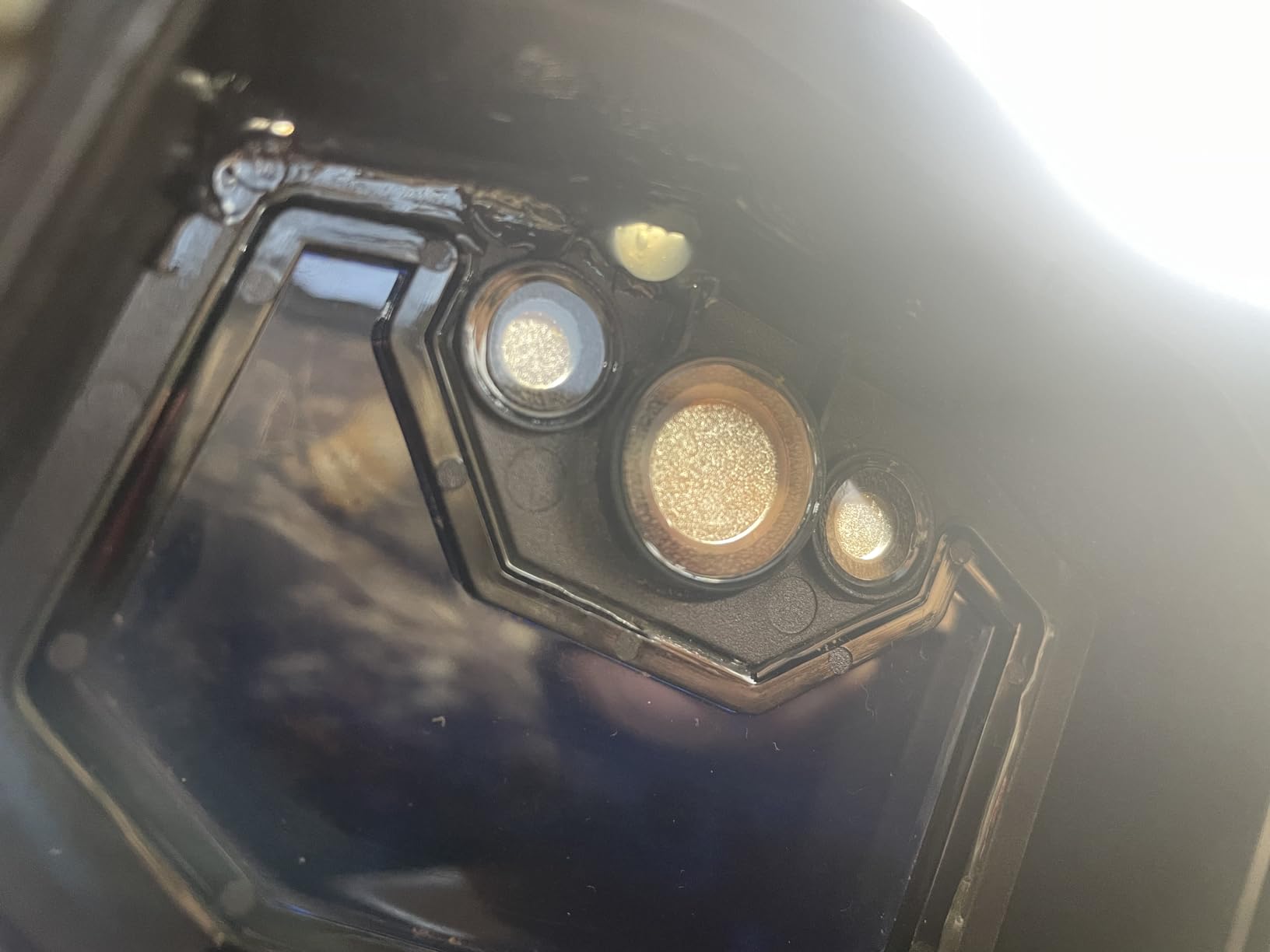
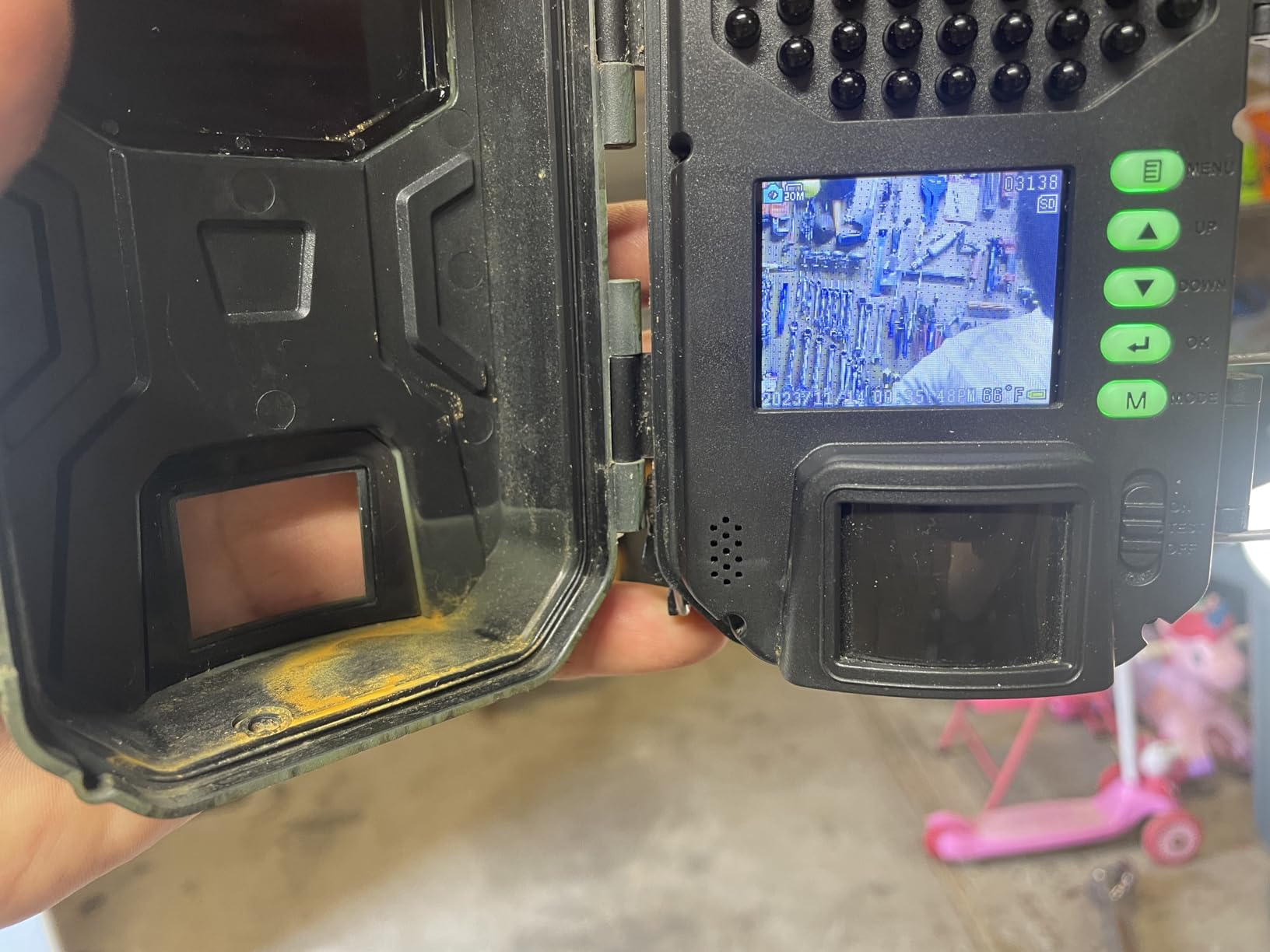
The physical design is the part worth noticing. A clamshell body with a bottom-opening battery case reduces lens condensation, which is the failure that quietly spoils footage after a season of temperature swings. The front-facing screen and lens mean you can set the angle while it is still strapped to the tree, and the illuminated keypad icons stay readable in a dark field at midnight.
It records audio, which turns it from a snapshot camera into something that can pick up a voice or a vehicle door. The audio quality is modest, but presence of sound in a clip is often enough for an insurance or police report.
Where a deterrence camera makes sense
Put it where someone arriving at night would have to notice it: a visible gate post, a lit driveway entrance, or the corner of a shed. The front-facing screen makes the angle easy to confirm after mounting.
It is also a sensible second line of defence behind a better camera, watching an approach angle a main camera cannot cover.
Where it falls short
Loop recording overwrites the oldest files the moment the card fills, so you get no safety margin and no record of what happened before you noticed. Schedule a card check.
The 90° angle and 65 ft night range are modest. This is not a camera for identifying someone across a wide yard, and buyers who want that should look at the 100 ft models in this roundup.
8. SEHMUA Cellular Trail Camera – Best Budget Live Streaming
SEHMUA Trail Camera, 2K HD Live Streaming Game Camera AI Animal Detection
2K live view and 1080p video
4G LTE with built-in multi-carrier SIM
4W solar panel with 7800mAh battery
82 ft low-glow IR, 120° view
2-way audio and app alerts
Pros
- The one option here that streams live 2K video over cellular from anywhere
- Built-in prepaid SIM auto-selects major US carriers
- 4W solar panel and 7800mAh battery suit year-round unattended use
- 120° field of view with 82 ft night range
- 3x optical zoom
Cons
- Data subscription is required after the trial for every camera
- Cloud storage and AI species ID are also subscription-gated
- SIM is non-detachable and US-only
- Memory card not included
Live viewing from anywhere is the requirement here, and this is the only cellular camera in the roundup that delivers it. You get 2K live view and 1080p recorded video, plus two-way audio so you can speak through the camera at a gate or a driveway.
Connectivity is handled with a non-detachable prepaid SIM that auto-selects between Verizon, T-Mobile, and AT&T, so there is no carrier shopping and no SIM that can die when a network changes its terms. That addresses the complaint that comes up most often with non-branded cellular cameras, which ship locked to one carrier and can quietly stop working.
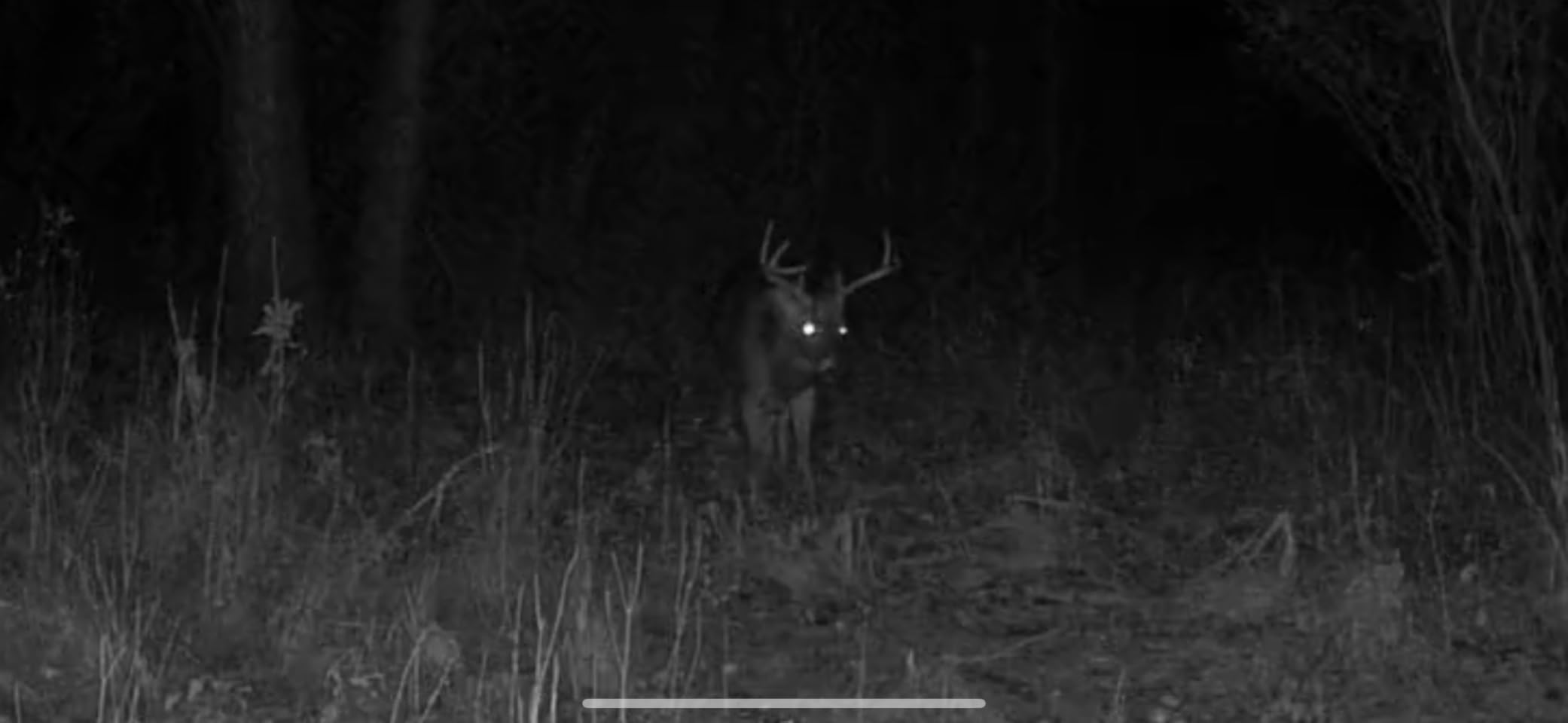
Power is properly sized for the job: a 4W solar panel feeding a 7800mAh battery, the highest battery capacity in this group. The 120° field of view covers a wide approach, night vision reaches 82 ft on 850nm low-glow infrared with a white spotlight option, down to a 3x optical zoom, which none of the other cameras here offer.
The cost structure is where you need to be careful. A data plan is required after the trial for each camera, and cloud storage plus AI species identification sit behind a further subscription. Plan for the running cost across two or three cameras before you commit to a layout, because that is the number that decides whether this approach works for your property.
When live view changes the outcome
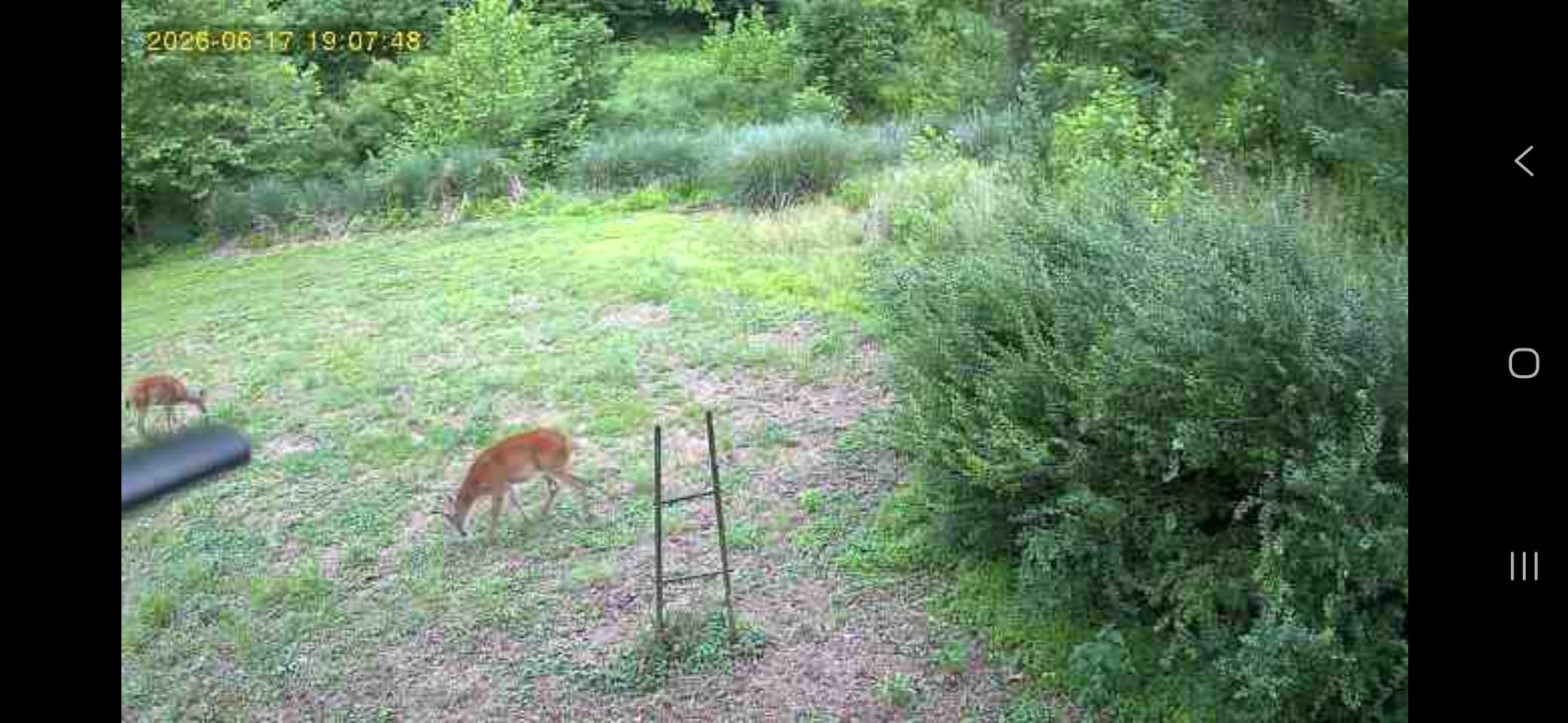
It matters most for active response. If someone is cutting a gate or loading equipment at 11pm, seeing it live lets you call before they leave rather than reviewing it the next morning. Two-way audio also works as a deterrent on its own.
It is the right pick for a construction site, a rental property, or a storage yard where nobody else is physically present to notice activity.
What you accept with it
The 850nm low-glow array is not invisible, and the white spotlight option is the exact opposite of stealth. A trespasser who sees a bright light knows precisely where the camera is, so plan the flash setting for footage quality rather than concealment.
Being US-only on the SIM is a real limit if you move equipment across regions. The non-detachable SIM also rules out swapping to your own carrier plan later.
9. Meidase P70 Trail Camera – Best 100 Foot No-Glow Night Coverage
Meidase P70 (Non-Cellular,Non-WiFi) Trail Camera, 64MP 1296p, Game Cameras with No-Glow IR Night Vision, Motion Activated, Waterproof for Wildlife Deer Cams, Hunting
64MP stills and 1296p video with sound
100 ft 940nm no-glow IR, 36 LEDs
0.1s trigger with side sensors
f/1.6 lens
512GB card support
1 year warranty
Pros
- 64MP stills and 1296p video with clear audio
- 100 ft no-glow IR range
- Side sensors improve timing on fast-moving subjects
- Deep menu options for tuning detection and recording windows
- Support honored an in-warranty replacement
Cons
- Slow night shutter blurs action shots
- Video trigger range at night is much shorter than the still range
- Card and batteries not included
- No wireless connectivity
The P70 sits at the top of the rating range in this roundup, and reviewers repeatedly benchmark it against more expensive established brands and find it ahead on picture, video, and audio. For a security buyer that is the relevant axis: it produces 64MP stills through a fast f/1.6 lens, and it records sound.
Night performance is its headline. 100 ft of 940nm no-glow infrared from 36 LEDs means a person at the far end of a long drive is lit without any visible glow to warn them. The 0.1s trigger is reinforced by side sensors watching outside the main frame, which is the mechanism that reduces the timing misses that produce blank frames.
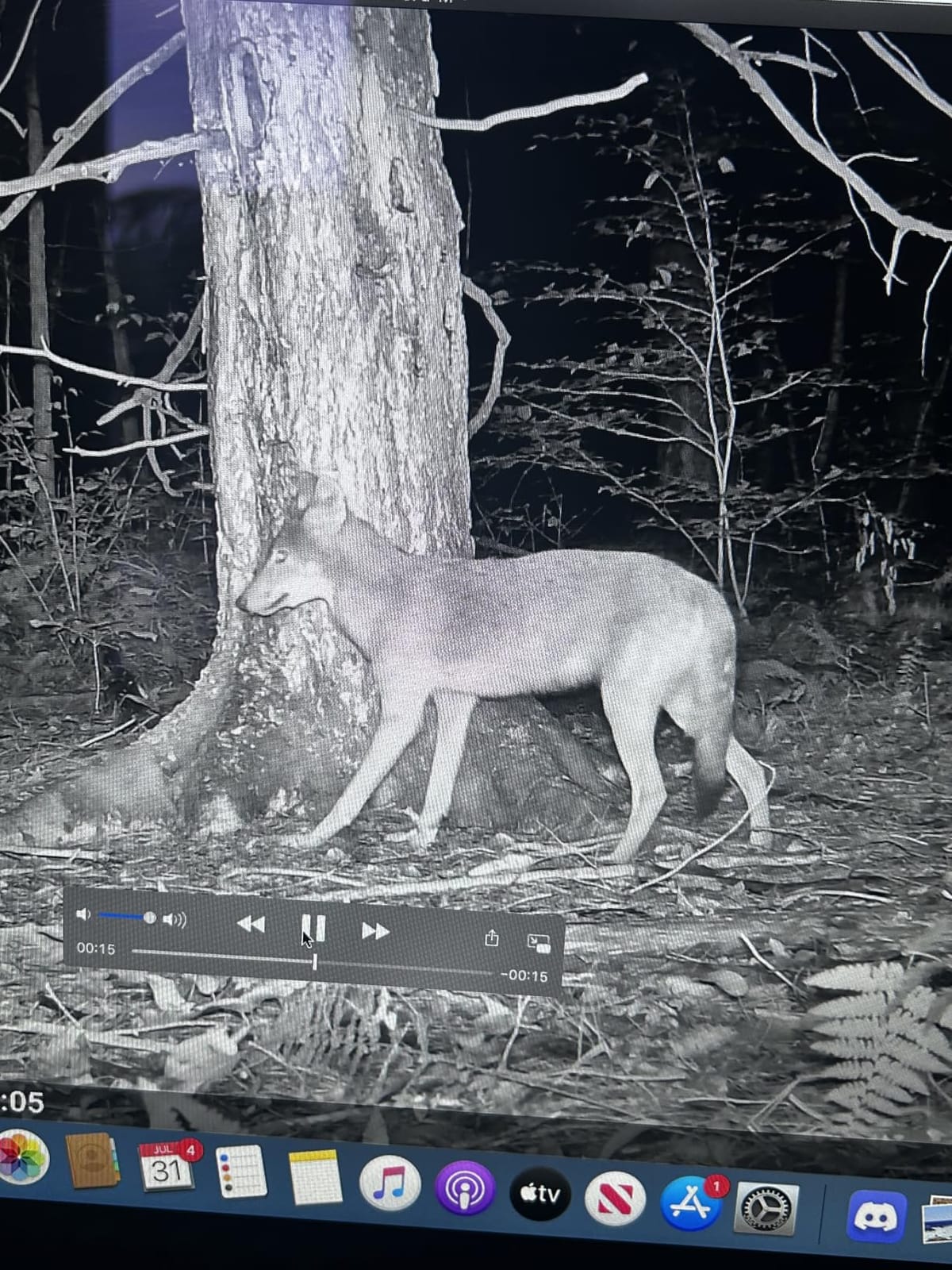
Control is deeper than most cameras offer. The 2.4 inch color display drives a full menu with detection windows, sensitivity levels, and recording schedules, so you can set the camera to arm only between dusk and dawn or only during working hours. That flexibility is what lets one camera cover a property without filling a card with a week of empty daylight.
The weakness is low-light motion. The night shutter speed is slow, so a person running produces a blurred frame, and some users report video-mode triggering at night drops to roughly 15 ft even though the still-photo range is 100 ft. Treat video as confirmation and stills as evidence.
Why a longer range changes the mount
At 100 ft you can mount at the back of the property and cover the far end of a drive, which means one camera instead of two. That is where this range earns its place, because most cameras in this group are honest at 60 to 80 ft.
Pairing it with a narrower 70° viewing angle concentrates pixels on the person rather than spreading them across a yard, which helps identification at range.
What to plan around
No connectivity means card pulls only, so this suits a property you visit on a routine rather than one you monitor remotely.
Both the card and the batteries are sold separately, so plan for both before the first trip out. The one-year warranty is shorter than the two-year cover on the Moultrie.
10. GardePro E5S Trail Camera – Best Threaded Mount for Fences and Posts
GardePro E5S Non-Cellular Trail Camera, 64MP Photo & 1296P HD Video
64MP stills and 1296p HD video
100 ft starlight no-glow infrared
0.1s trigger with 3 PIR sensors
120° field of view
1/4-20 mounting thread
Pros
- Photo and video quality that holds up against far costlier cameras
- Lithium AA batteries lasted a full season on one charge
- Very easy setup with many configurable options
- 1/4-20 thread mounts to trees
- posts and fences
- Settings persist when batteries die
Cons
- Microphone adds a crackling hiss on recorded audio
- Nighttime PIR triggering is weaker than daytime
- SD card and batteries sold separately
- High sensitivity produces blank frames from wind
The E5S is the camera we recommend for mounting on a fence post or a wall rather than a tree strap. It has a standard 1/4-20 threaded mount, which is the same thread used by tripods and most camera gear, so you can attach it to rigid metal or wood with a short bolt and lock it where it is. On a property with many hard mounting points, that is a genuinely useful difference.
Otherwise it delivers the same core strengths as the A3S: 64MP stills, 1296p HD video, 100 ft of starlight no-glow infrared, and a 0.1s trigger backed by three PIR sensors for wide, fast motion capture. Buyers treat it as a value pick among 64MP cameras and report that the output compares favorably against more expensive established models.
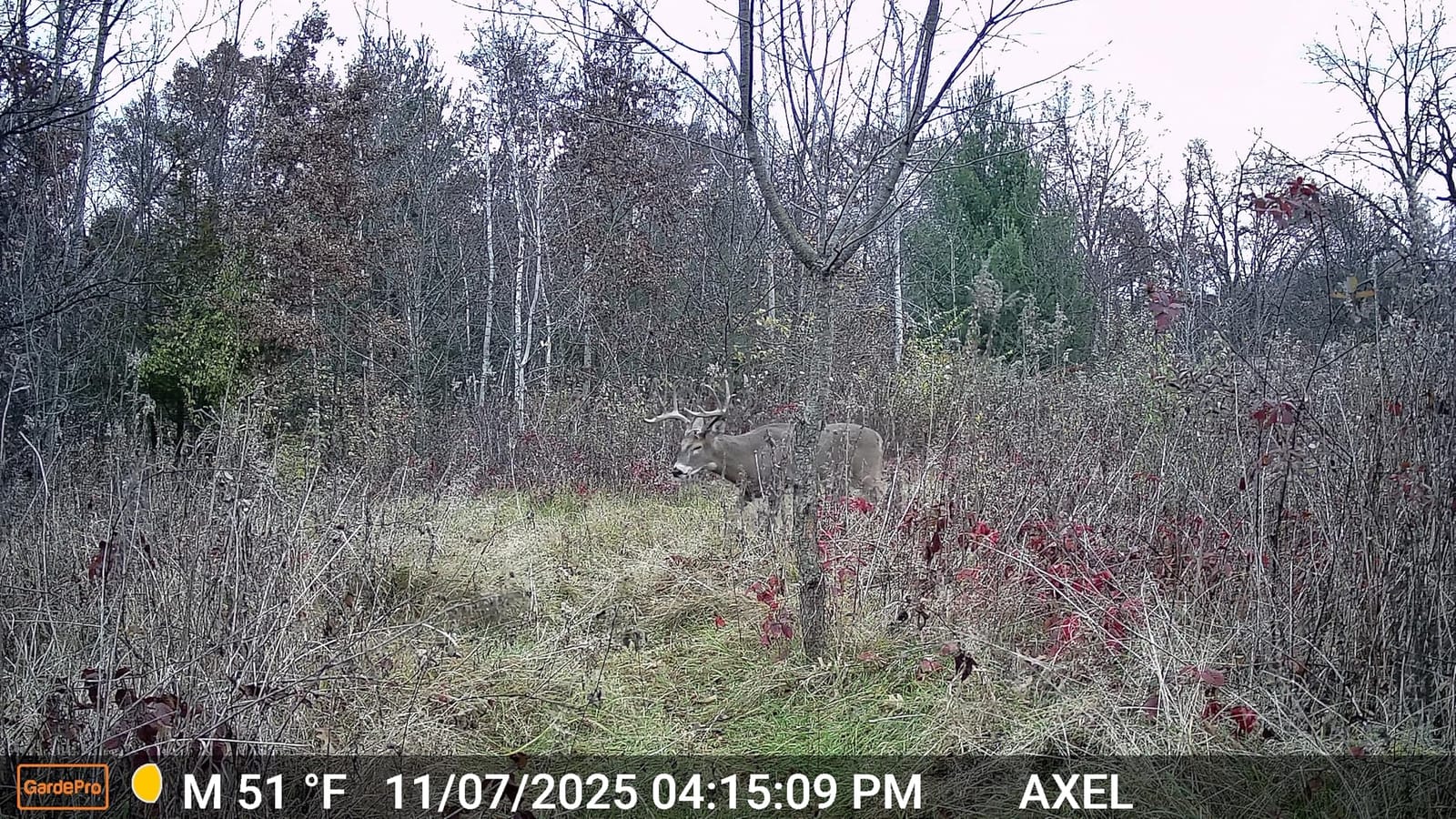
Battery behaviour is worth calling out. Owners running lithium AA packs report a full season on one charge, and the five-minute startup delay means the camera is not recording while you are still climbing down from the ladder, so you do not waste a card on setup footage. Settings also survive a dead battery, which saves the tedious reconfiguration that spoils many of these units.
Two real limits. The microphone adds a crackling hiss over recorded audio on some units, so clean voice evidence is not guaranteed. And the night PIR is weaker than the daytime one, with owners reporting missed activity after dusk, which is exactly the window that matters most for security.
Best for permanent, tamper-resistant mounting
A threaded post mount with a cable lock is harder to remove than a strap on a tree, and that matters more than most buyers expect. The deterrent value of a trail camera depends on it still being there the following night.
Bolting it to a gate post also lets you aim down the entry line at a consistent height, which produces far more consistent detection than re-aiming a strap after every storm.
Where it disappoints
Weaker after-dark triggering is the significant one. If your property is exposed after dark, pair it with a second camera rather than relying on one unit to cover both ends of the day.
High sensitivity also produces blank frames from wind and branches, so tune it down. As with the others, the card and batteries are sold separately.
11. WOSODA Mini Trail Camera 4 Pack – Best Four-Pack for a Perimeter Sweep
WOSODA Mini Trail Camera 4 Pack 30MP 1080P HD, Game Cam with SD Card, Waterproof Tiny Deer Camera Night Vision Motion Activated with Fast Trigger Time for Outdoor Wildlife Monitoring
Four 30MP cameras per box
1080P HD video
0.3s trigger
65 ft night vision
120° field of view
IP65 rated 14 to 122 F
Pros
- Four cameras in one box for blanketing a perimeter
- Small body fits tight spots other cameras miss
- Memory cards and batteries already included
- 0.3s trigger is fast enough for most yard activity
- Runs on just 4 AA per camera for long standby
Cons
- No WiFi or app
- every camera needs a physical card swap
- Memory cards top out at 32GB
- 30MP stills and 1080P video are entry-level
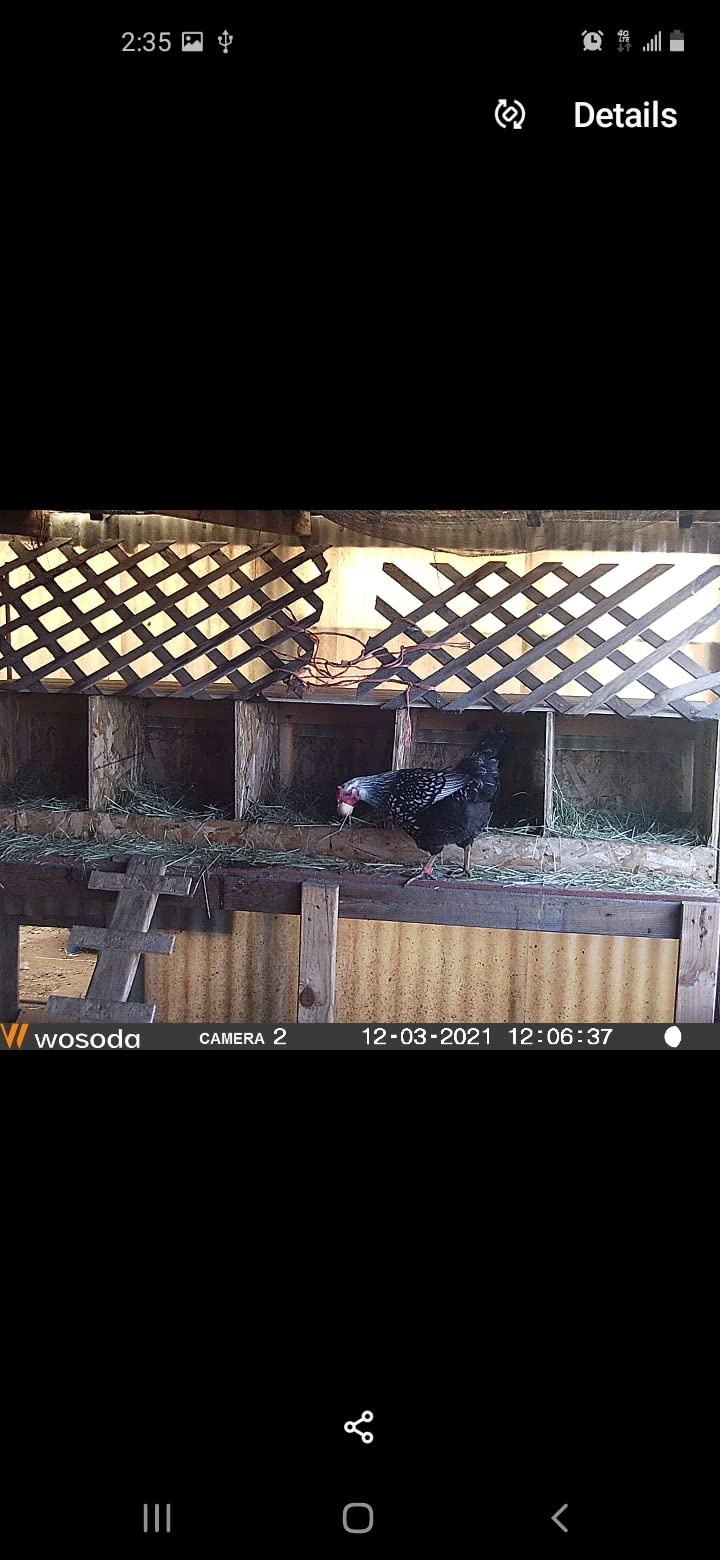
When the goal is coverage rather than quality, count matters more than megapixels. That is why this four-pack suits a large lot with several approach angles, a rural yard with a back field, or a farm where you want eyes on more than one structure. Four cameras in one box also means matching hardware, so a swap takes seconds.
Each unit gives 30MP stills, 1080P HD video, a 0.3s trigger, 65 ft of night vision, and a 120° field of view. The mini form factor is the quiet advantage: it fits behind a post, under an eave, or into a corner that a full-size camera simply cannot reach, which is where several of the blind spots on a property actually are.
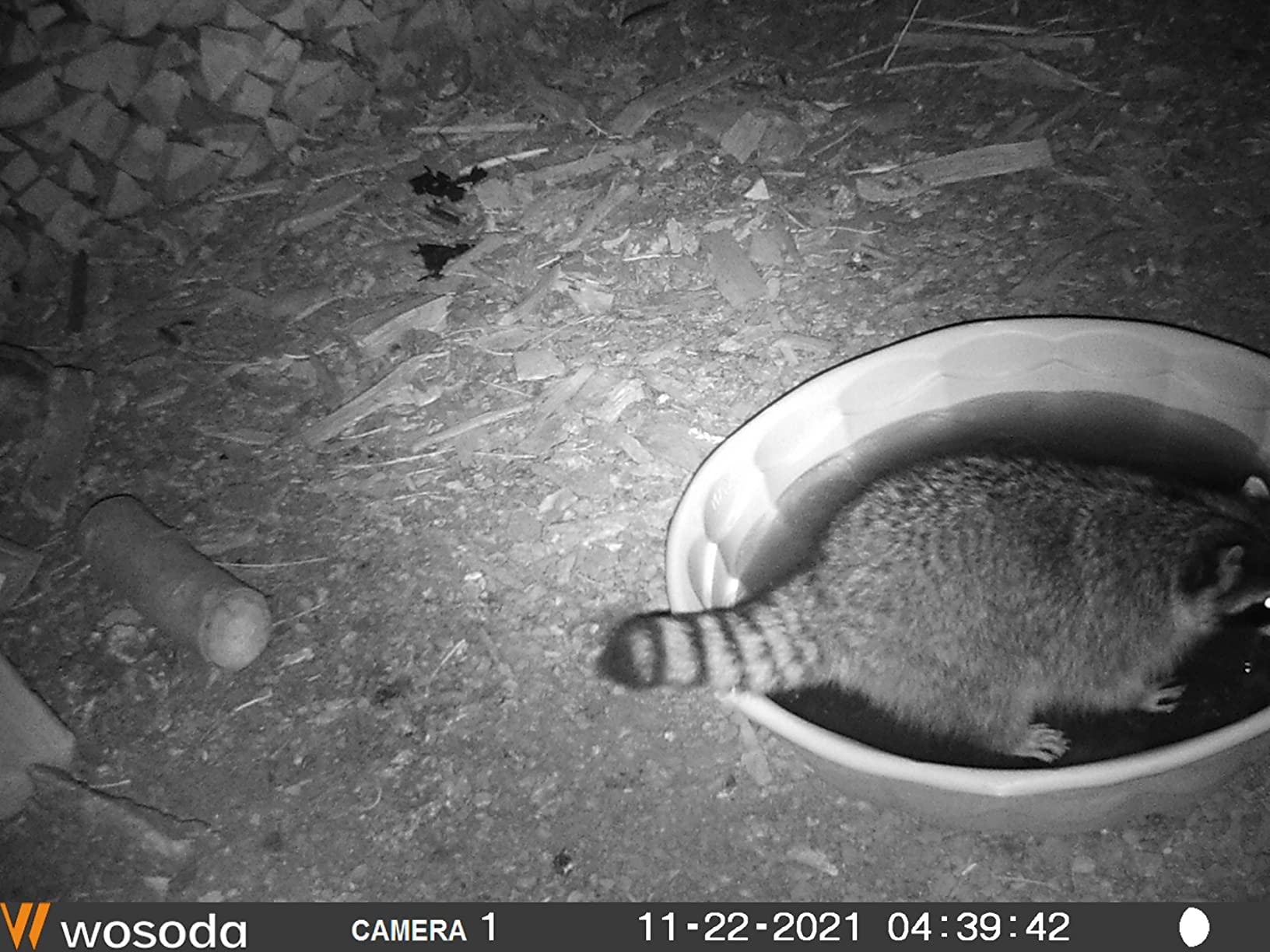
Everything you need is in the box. Four 16GB cards and sixteen AA batteries are included, so all that stands between the box and a mounted perimeter is a ladder. Power draw is low enough that four AA per camera gives extended standby, and the IP65 rating with a 14 to 122 F operating range covers a normal year outdoors.
The limits are real. Thirty megapixels and 1080P video are entry-level, so this is a detection and presence set rather than an identification set. Cards cap at 32GB, and with four cameras recording on a schedule, that fills faster than you would expect on a busy property.
When four cameras beat one good camera
Coverage wins when a threat can come from more than one direction. A single high-resolution camera on a driveway tells you nothing about the side gate, and a perimeter sweep of four basic units tells you something happened but not exactly who.
A good compromise for larger lots is two of these mini units on the outer approaches plus one higher-resolution camera on the point you most need identification.
What to plan around
Four card swaps per review cycle is a genuine chore on a large property, which is why we would not build a whole perimeter from this set alone. Set a fixed weekly or biweekly review day.
With no app, you also lose remote verification entirely. If you need to respond in the moment, the cellular and live-view options elsewhere in this roundup serve better.
12. MAXDONE 4K 64MP Solar Camera – Best Ready-to-Run Solar Starter
Trail Cameras with Night Vision Motion Activated – WiFi Bluetooth 4K 64MP
Solar powered with 6000mAh rechargeable battery
64MP stills and 4K H.264 video
65 ft low-glow night vision
0.1s trigger, 100° angle
32GB card pre-installed
Pros
- Solar charging removes recurring battery costs
- 32GB card pre-installed so it runs out of the box
- 64MP stills and 4K H.264 video for quick playback
- Compact and light enough to move between mounts
- App viewing without removing the card
Cons
- Hotspot only
- no remote viewing away from the camera
- App connection can be slow to establish
- First-time setup needs the phone within 0.5 ft
This is the entry point for solar. It uses the same 6000mAh battery and integrated panel as the higher-rated MAXDONE above, and it adds a pre-installed 32GB card, which means it can be mounted and recording the same afternoon you open the box. That matters if you are covering a gap in your coverage today rather than planning a system for next season.
Specifications are solid for a starter: 64MP stills, 4K H.264 video, a 0.1s trigger across a 100° angle, and 65 ft of low-glow infrared. H.264 encoding keeps file sizes manageable, which is why reviewers praise quick playback in the app, and the compact body is light enough to reposition between the gate and the shed on your own.
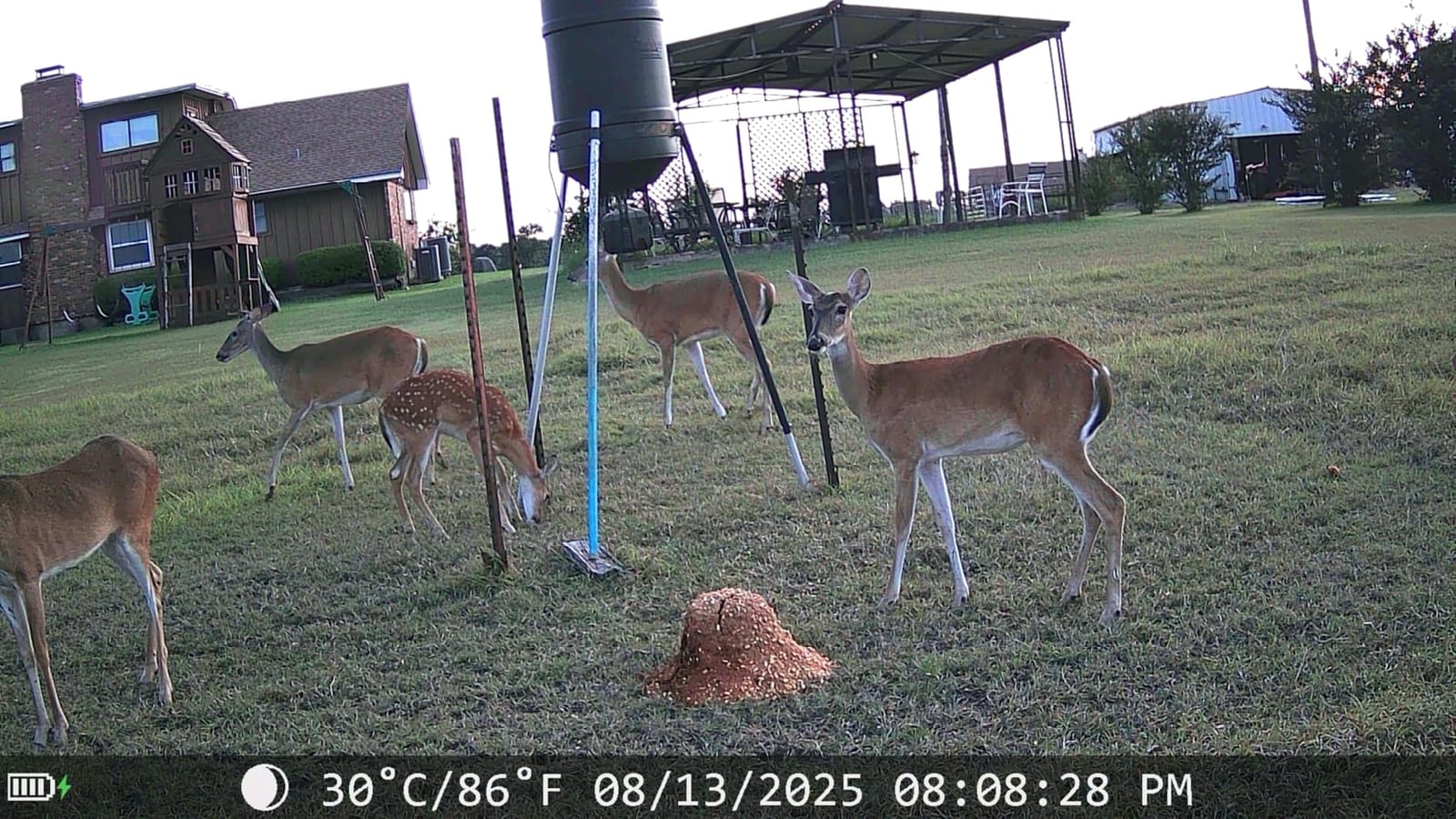
The honest note here is that this listing sits below its sibling in the same family on the thing buyers notice most. It carries 1,477 reviews at 4.1 stars, and there is a higher share of one and two star feedback than on the 4.3-rated listing of a closely related camera. The gap shows up in connection reliability, where owners more often report trouble establishing the app link.
Setup also asks more of you. First-time pairing needs the phone held within about half a foot of the camera, and app connections can take a while to establish. Budget a quiet ten minutes with the manual before you climb the ladder.
Best as a first solar install
It is the model we would put on a single outbuilding or a short driveway to see how solar performs through a full season in your specific spot. The pre-installed card removes the most common early-return cause, which is a camera that arrives with nothing to record onto.
If the result is good, moving to the higher-rated version of the same design is a straightforward upgrade, and the mounts and habit of use carry over.
Where it falls short
It is a hotspot camera, so you can view footage standing 55 ft away and not from anywhere else. That is the same limitation as the higher-rated MAXDONE and the reason neither belongs in a remote monitoring plan.
With 1,477 reviews it has a thinner long-term track record than the cameras we rank at the top, and the feedback is a little more mixed, showing up in connection reliability rather than in any single specification.
How to Choose a Trail Camera for Property Security
Detection versus identification is the whole question
Detection means the camera noticed something. Identification means you can tell who it was. Trail cameras are engineered for the first and only accidentally achieve the second, and the marketing language blurs them together deliberately.
The practical rule we use: the flash range is the real limit, and advertised night distances are frequently optimistic. Closer to the camera, detection is easy and the only question is how much detail survives the zoom. Further out, identification depends on sensor quality, night illumination, and how tightly you aim the lens. If your concern walks a long driveway, a narrow 70° camera aimed at the drive beats a 120° camera aimed at a yard.
No-glow versus low-glow versus white flash
No-glow infrared at 940nm is invisible to the human eye. The camera gives nothing away, which means a trespasser never learns there is a recorder covering the approach. The A3S, E5S, E6, P70, iZEEKER, and the WOSPORTS G600 all use this.
Low-glow at 850nm is slightly more powerful but produces a faint red emitter that a person standing close can see. White flash gives colour night vision and the best identification, and it also announces the camera’s exact position. Decide which matters more before you pick, because you usually cannot have both.
Trigger speed and detection range are one spec, not two
Forum buyers routinely time triggers by walking the detection zone, and they are right to. A 0.1s trigger with 100 ft of range and side sensors is a genuinely different camera from a 0.3s trigger with 60 ft, because the second combination leaves you with blank frames of someone who has already crossed.
Check both numbers together. A fast trigger on a short range still misses fast subjects at distance, and a long range on a slow trigger still catches the subject after they have left.
Test your cellular signal before you buy
Weak signal at the far end of a property is the failure buyers report most often, and no amount of brand reputation fixes it. Stand at the exact mount point with your phone, check the signal indicator for the carrier you would use, and compare it with the reading at your house.
Pay particular attention to the back field, the far gate, and any outbuilding in a low spot. A camera that works beautifully beside the house and dies at the end of the drive is a complaint that appears over and over in the hunting forums, and it is entirely avoidable with a five-minute test.
Solar panel versus AA batteries
Solar wins on a mount that sees several hours of direct sun and cannot be reached in winter. It loses in deep shade, under heavy tree cover, or anywhere the panel gets snow on it, and the built-in panel ports that stay permanently connected are the usual leak point.
AA batteries win on a shaded or decididuous mount where the camera already gets very few triggers. If the camera only runs at night, eight lithium AAs can carry a full season.
Weather ratings and mounting
IP66 is the practical minimum for anything exposed year round, and IP65 is adequate for a sheltered wall. Below that, a camera on a fence post will not survive two seasons of rain.
On mounting, match the hardware to the surface. A standard 1/4-20 thread works on posts, fences, and walls and takes a lock. A strap on a tree is easy to defeat, and the camera is only a deterrent for as long as it stays attached.
Where to place cameras around a property
Start at the gate and the driveway entrance, because those are the points everyone must pass. Then cover the outbuilding where equipment is stored, and only then fill in the side or rear approaches.
Mount at a height where a face is visible but the camera is not casually reachable, and angle slightly downward to put a walking person in the centre of the frame rather than at the bottom edge. Avoid aiming into direct sun or at a neighbouring property, and check the seasonal foliage, because a camera covered in leaves by October is a camera you will not check in January.
Trail Camera or Conventional Security Camera?
For a property with mains power and reliable WiFi, a conventional security camera is the better tool. You get continuous recording, real-time alerts, two-way talk, and a mature app ecosystem, and you do not think about batteries or coverage. Trail cameras cannot compete on any of those, and pretending otherwise is how people end up with a false sense of security.
Trail cameras earn their place where there is no WiFi and no power. Long driveways, gates at the back of a lot, outbuildings, fields, construction sites, and rental property are exactly the locations conventional cameras cannot reach. Buyers in the home security communities reach the same conclusion, describing the cellular models as the option that gets a signal in tricky areas where others fail.
The honest comparison looks like this. A conventional camera gives you constant awareness and fast response but only where there is power and signal. A trail camera gives you months of unattended coverage anywhere, triggered evidence, and a visible deterrent, but no live view and no instant alert unless you buy a cellular model and accept a data plan.
Our recommendation is to use both where you can afford it. A conventional system covers the house, and trail cameras cover the land around it, which is the part most residential security ignores entirely.
One point on cost, framed without numbers. A cellular trail camera carries a recurring per-camera data charge for as long as you keep it, while a conventional camera carries a subscription for the doorbell and camera ecosystem or none at all for a local-recording model. Over a multi-camera property layout, that recurring line decides the comparison more often than the hardware does.
Frequently Asked Questions
Can I use a trail camera as a security camera?
Yes, with one caveat. Trail cameras are weatherproof, run for months on battery or solar power, and mount high enough that most people never check for one, which makes them effective for gates, driveways, sheds, and remote outbuildings. The caveat is that they are built to detect animals rather than identify people, and some use a white flash that reveals the camera’s position. Choose a 940nm no-glow model if you want the camera to stay unseen.
What is the best trail camera for property security?
For most properties the GardePro E6 is the best overall choice, because it adds phone-based live view and app control with no monthly fee while still using invisible 940nm no-glow infrared. For night-heavy monitoring where readable detail matters most, the GardePro A3S pairs a Sony Starvis sensor with 100 ft of no-glow range. Where you need to see footage remotely without visiting, a cellular model such as the Moultrie Edge 2 is the tool, and a data plan applies to each one.
Can you watch a trail camera live on your phone?
It depends on the model. Cameras with a WiFi hotspot, such as the GardePro E6, give live view over a short range of roughly 45 ft but not from anywhere else. Cellular models deliver live view from any location, and the SEHMUA in this roundup streams 2K video over 4G LTE with a built-in multi-carrier SIM. Most cellular trail cameras, including the Moultrie Edge 2, offer on-demand photo and video requests rather than a continuous live feed, so plan around a short delay.
What are the downsides of cellular cameras?
The main drawback is the recurring per-camera data plan, which multiplies across every camera on a property and is the number buyers most often report as an unpleasant surprise. Cloud storage and AI features are frequently gated behind a second subscription. Connectivity also depends on signal strength at the exact mount point, which is often much weaker at a back gate than beside the house. Finally, most cellular cameras need a subscription activated before they can even be evaluated.
Are trail cameras good for home security?
They are good for the land around a home and weak for the house itself. Trail cameras excel at unattended, off-grid locations such as gates, driveways, sheds, and remote outbuildings, where there is no power and often no WiFi. For a front door or a occupied house, a conventional security camera with continuous recording, two-way talk, and a mature app is the better tool. Using both gives you real-time awareness inside the perimeter and triggered evidence outside it.
Is it legal to put a trail camera on my property?
Mounting a camera on your own land is generally fine, but the constraint is where it points. Aiming into a neighbour’s yard, at their house or driveway, or across a public road can capture people who have no expectation of being recorded, and that raises privacy and, in some jurisdictions, legal problems. Keep the field of view inside your boundaries, avoid capturing house numbers and plates of passing traffic, and check the rules that apply where you live.
How do I stop a trespasser from stealing my trail camera?
Mount it high, on a solid post or wall, and secure it with a cable lock or a lock box rather than a simple strap on a tree. A standard 1/4-20 threaded mount accepts a lock directly and is harder to remove than a strap. Use 940nm no-glow infrared so the camera does not announce itself with a red glow, and add a visible sign. The camera only deters for as long as it stays attached, so a lock is the cheapest insurance in the setup.
Which Trail Cameras Are Right for Your Property in 2026
The best trail cameras for security around property are not the ones with the highest megapixel number. They are the ones that catch a person in the frame during the hours you actually care about, keep working through a winter without a visit, and give you footage you can hand to someone else. Start with the gate and the driveway, pick a 940nm no-glow model so nothing announces itself, and confirm the trigger and detection numbers together.
Our pick for most people is the GardePro E6, because app-based live view makes aiming realistic and there is no monthly charge attached. If your threat is entirely nocturnal, the GardePro A3S is the stronger camera on image quality. If you are monitoring a property you cannot visit, add the Moultrie Edge 2 for multi-carrier reliability and accept the per-camera data plan. And if the job is simply presence, the iZEEKER is the simplest unit here to deploy.
Whatever you choose, test the cellular signal at the mount point first if it is a connected model, lock the camera to something solid, and keep the field of view inside your own boundary. Those three steps prevent more failures than any specification on this list.